
Eid al-Adha and the Meaning of Sacrifice
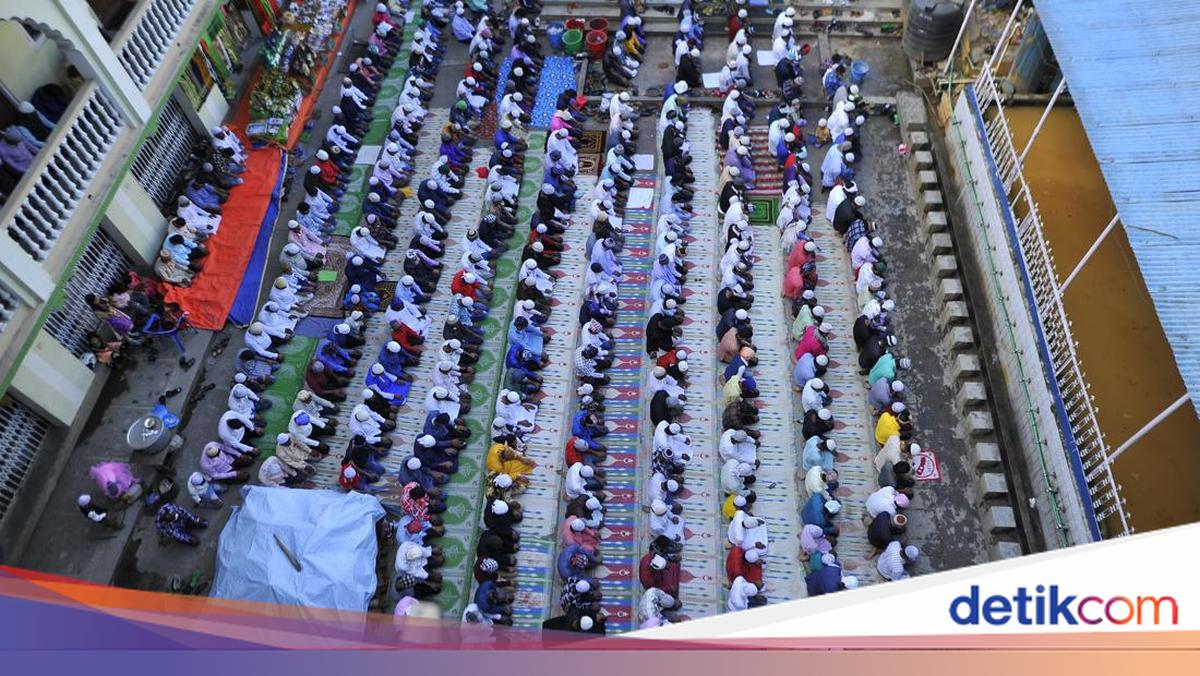
The announcement is certainly important as a marker of the religious calendar. However, Eid al-Adha is not merely a matter of public holidays, takbir prayers, animal slaughter, or the return of pilgrims from the Holy Land. Behind it lies a far deeper calling: an invitation to examine again our willingness to sacrifice, particularly for family and nation.
Amid increasingly chaotic lives, families often become the first place to experience the consequences of numerous problems. The cost of living rises, employment is often uncertain, children grow under pressure, and parents often harbour exhaustion they have no time to share. Many homes still stand, yet conversations grow rare. Many families appear fine from the outside, whilst harbouring prolonged silence within.
This is where the pilgrimage and Eid al-Adha feel very close to everyday life. The pilgrimage is not merely a journey to Makkah. It is also humanity’s journey to subdue the ego. Before the Kaabah, people learn that titles, positions, wealth, and vestments of greatness do not determine honour. All wear the ihram garment. All stand as servants. None deserve to feel highest before God.
This lesson becomes sharper when we remember the family of Prophet Ibrahim. There is Prophet Ibrahim tested by obedience. There is Hajar tested by solitude. There is Ismail tested by surrender. They are not merely figures in a sacred story. They are mirrors for any family struggling to maintain faith, affection, and hope.
Mother Hajar once stood in a barren valley with her child. There was no visible guarantee. No crowds. No ease. Yet she did not stop at tears. She ran between Shafa and Marwah, seeking water, seeking a way out, seeking a sign that life still had to be fought for. From the steps of an anxious but unyielding mother, Zamzam sprang forth.
Many Indonesian families today are actually performing their own sa’i. There is a father who departs before dawn to keep the home supplied. There is a mother who hides her weariness so her children feel safe. There is a young person who tries to appear strong even when the future often feels unclear. There are families that endure not because they have no problems, but because they still choose to hold each other.
Therefore, sacrifice does not always have to appear grand. Sometimes sacrifice is restraining harsh words when the heart is hot. Sometimes sacrifice is coming home earlier so a child does not grow up alone. Sometimes sacrifice is apologising first, even when feeling not entirely at fault. Sometimes sacrifice is living simply so the family is not destroyed by pride.
Eid al-Adha reminds us that a strong family is not one that has never wept. A strong family is one that does not let tears become a reason to abandon one another. A blessed home is not one free from trials, but one that turns trials into a path to draw closer to God and to become more gentle with fellow family members.
However, the message of sacrifice does not stop at the doorstep. It also touches national history. Indonesia was not born from comfort. Independence did not descend as a gift. It was fought for by people willing to lose wealth, position, freedom, and even life.
During the period of Dutch colonialism, many national figures demonstrated the true meaning of sacrifice. Haji Samanhudi, through a movement of traders and economic awakening of the people, helped build awareness that the colonised people should not remain forever submissive. Haji Oemar Said Tjokroaminoto brought to life the idea of independence, educated many of the nation’s children, and made organisations spaces of political courage.
KH Ahmad Dahlan built a path of reform through education, social service, and preaching that honoured humanity. KH Hasyim Asy’ari strengthened the role of pesantren institutions, Islamic scholars, and students in maintaining both religious dignity and national integrity.
They, together with so many other names, did not live for themselves alone. Some were monitored, restricted, slandered, imprisoned, and their lives threatened. Some had to choose solitary paths because their convictions were deemed a threat to colonial power. They understood that love of one’s country demands a price. They did not merely speak of sacrifice; they lived it.
From these predecessors, we learn that sacrifice is not solely the slaughter of animals on a festival day. Sacrifice also means cutting greed from within. Cutting narrow interests. Cutting the fear that makes us silent before injustice. Cutting the ego that makes family, people, and nation victims of personal ambition.
This lesson is vital for our public life. Politics should be a path of service, not a way to sacrifice the people. A position should be a trust, not a facility for self-aggrandisement. A leader should learn from the ihram: the higher the position, the greater the obligation to humble the heart.
This nation does not lack intelligent people. What we often long for is someone brave enough to be honest when falsehood seems more profitable. We do not lack speeches. What we long for is tangible example. We do not lack programmes. What is often missing is genuine commitment that actually reaches the kitchens of the people, the schools of children, the wards of the sick, and the small homes whose voices are seldom heard.
A blessed pilgrimage does not produce spiritual arrogance. It produces people who find it easier to apologise, lighter to help, more fearful of oppressing, and more ashamed to take what is not theirs. If someone returns from the Holy Land yet still enjoys belittling others, deceiving, flaunting power, or turning a blind eye to the suffering of fellow humans, perhaps their body has reached Makkah, but their soul has not fully returned to God.
So too with Eid al-Adha. This festival should make us ask honestly: what are we truly willing to sacrifice?