
Efforts to Advance Chip Technology and Strengthen Indonesia’s Semiconductor Talent Continue
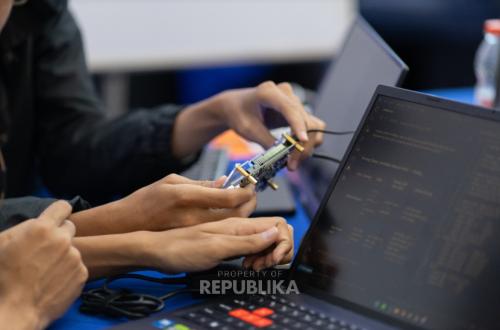
JAKARTA — Indonesia’s semiconductor industry continues to face challenges, particularly limited domestic chip-design capacity and a shortage of people with specialised expertise. As demand for chip technology grows across industrial sectors and digital services, strengthening national capabilities is important to reduce reliance on foreign technology. In response, PERURI made semiconductor technology development a central topic at the PERURI Digital Summit 2026, held on 21–22 October at Taman Kota PERURI in South Jakarta.
Under the theme “Building Technology of the Future”, the summit brought together academics, industry practitioners and stakeholders for discussions and learning on the opportunities and challenges of developing Indonesia’s chip technology. Topics included not only the importance of mastering semiconductor technology, but also infrastructure readiness, chip-design skills development and cross-sector collaboration to foster innovation that can be developed into domestic technology solutions.
PERURI Digital Business Director Edwin Purwandesi said strengthening national semiconductor capabilities requires the involvement of a range of parties, from industry and universities to Indonesian technology talent. Through collaboration and skills development, PERURI aims to support broader opportunities for Indonesia to play a role in chip development.
“Developing semiconductor technology is a strategic step towards strengthening national technological independence. This effort requires not only mastery of the technology, but also support for human-resource capabilities, development infrastructure and sustained collaboration between industry and academia,” Edwin said.
As part of these practical efforts, Adi Saputra of PERURI presented the development of domestic chip technology through the Chip Merah Putih Sandbox initiative in a semiconductor masterclass. He outlined a staged approach to chip development, from creating initial designs and testing and validating the technology to preparing for industrial-scale production. The work is also supported by the use of Agentic AI, open-source tools and collaborative approaches to help accelerate chip design and testing.
To broaden access to learning and chip-design skills development, PERURI also introduced chip.peruri.co.id, a platform where users can learn about, design and test digital circuits directly in a browser. It is intended to give students, academics and technology talent more opportunities to develop chip-design skills and encourage wider participation in Indonesia’s semiconductor ecosystem.
The discussions were further developed by Eko Fajar N., who explained considerations in selecting processor architectures for chip-design projects, including performance, power efficiency and suitability for the intended applications. His presentation underscored that choosing the right architecture is essential to producing efficient chip designs that meet industry needs.
Through the PERURI Digital Summit 2026, PERURI reaffirmed its commitment to supporting the development of Indonesia’s semiconductor ecosystem through technology initiatives and the empowerment of young talent. The effort is expected to foster home-grown chip innovation and strengthen national technological independence as part of Indonesia’s journey towards digital sovereignty.
Source: jawawa.id (https://jawawa.id/newsitem/efforts-to-advance-chip-technology-and-strengthen-indonesias-semiconductor-talent-continue-1794156653)
Originally published by Republika (https://news.republika.co.id/berita/to6bnx456/upaya-perkuat-teknologi-chip-dan-penguatan-talenta-semikonduktor-indonesia-terus-dilakukan), translated from Indonesian