
Effectiveness of Revoking KJP for Students Involved in Gang Fights and Alternative Solutions
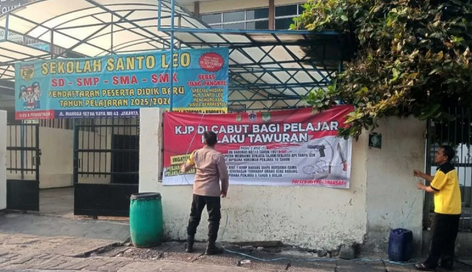
The Jakarta Provincial Government’s decision to revoke the Jakarta Smart Card (KJP) Plus for dozens of students involved in gang fights has created a public dilemma. While the firm stance aims to enforce discipline and serve as a deterrent, the punitive policy is a double-edged sword with significant risks.
The revocation of KJP for 60 students involved in the riots is intended to uphold discipline and ensure social assistance reaches deserving students with good conduct and academic performance. Administratively, this sends a strong message that the state will not tolerate violence.
However, from an educational sociology perspective, there are risks to be wary of: reducing gang fights cannot rely solely on punitive sanctions. A comprehensive approach addressing root causes is needed. Alternative sustainable solutions include:
Schools should integrate conflict management curricula, teaching students non-violent dispute resolution and fostering inter-school empathy through collaborative activities.
Gang fights often serve as a misdirected outlet for energy. Increasing inter-school competitions in sports, arts, and technology can redirect competitive energy into positive and commendable avenues.
Instead of immediately cutting off aid, the government could implement ‘Conditional Sanctions’ – maintaining KJP provision provided students participate in mental health programmes and regularly report to guidance counsellors or psychologists.
While KJP revocation is a legitimate legal instrument, it is not the sole solution. To eradicate the gang fight culture, administrative sanctions must accompany character development, controlled economic support, and healthy expression outlets for teenagers. Without this, the problem merely shifts from schools to broader streets.
- Can students whose KJP has been revoked regain it?
Under current regulations, revocation for serious offences like gang fights is typically permanent for the current fiscal year, though reinstatement depends on future behavioural evaluations.
- What is the legal basis for revoking KJP from riot perpetrators?
The policy generally references Governor Regulations on KJP Plus allocation, which stipulate students must not engage in criminal, violent, or immoral acts.
- What role do parents play in preventing gang fights?
Parents play a crucial role in monitoring outside school hours. Open communication between schools and parents is essential for early detection of potential student involvement in gang activities.
The recent loss of life in an incident underscores that persuasive approaches without legal firmness fail to deter perpetrators.
Gang fights between student groups have again occurred in East Jakarta on the second day of school reopening.
Jakarta Governor Pramono Anung plans to track social media administrators spreading footage of student gang fights, with many accounts using the name ‘Chaptoen’.
Some have compared the handling of gang fights by West Java Governor Dedi Mulyadi, who sends students to military barracks.
University of Indonesia sociologist Ida Ruwaida has criticised the Jakarta Provincial Government’s approach to handling student gang fights as not sufficiently comprehensive.