
Educational Tourism Trend During School Holidays
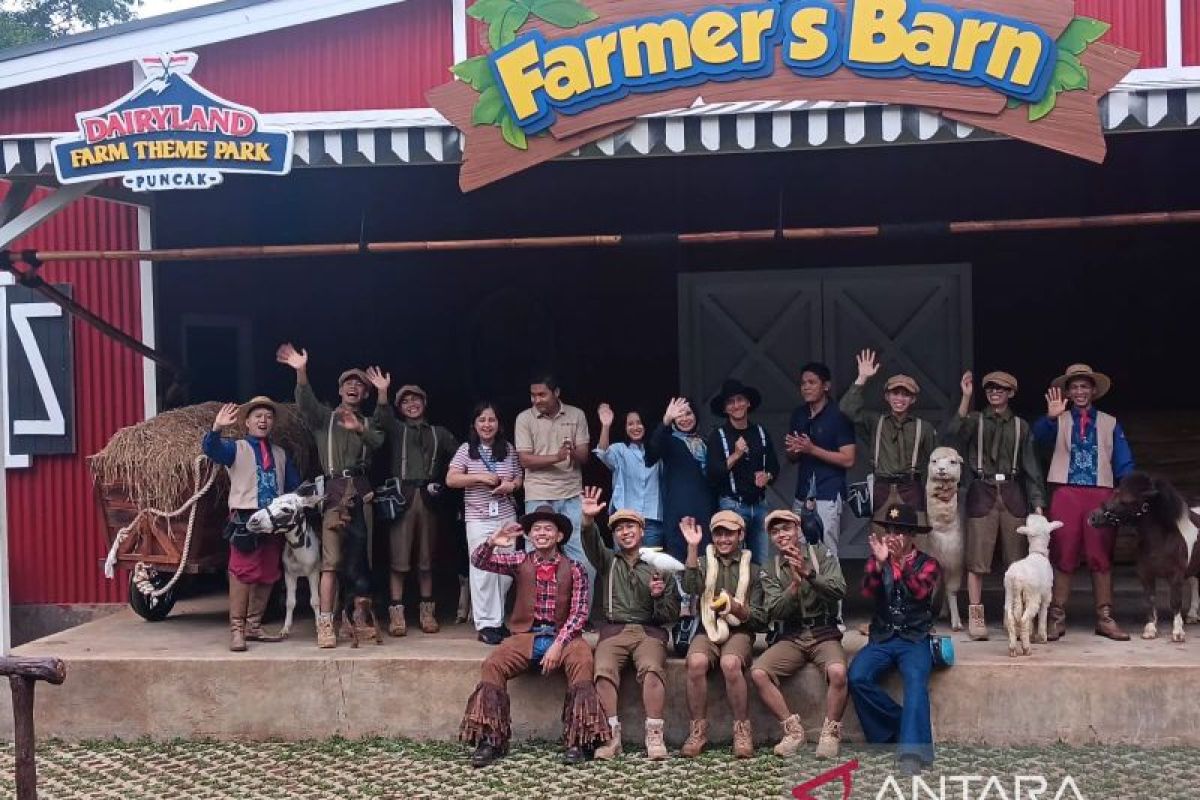
In many developed nations, the concept of farm tourism has long been an established part of the family tourism industry. School holidays always present a similar challenge for many Indonesian families: parents wish to take their children on holiday, but simultaneously hope the trip provides a more meaningful experience than just brief entertainment. Especially amidst a routine where children are increasingly familiar with gadgets, the opportunity to interact directly with nature and animals is becoming a rare occurrence.
Consequently, the emergence of the educational tourism trend in recent years reflects a change in how society perceives family holidays. Tourist attractions are no longer judged solely by the number of rides or the luxury of facilities, but by the extent to which the experience can foster curiosity, emotional closeness, and simple learning for children. This phenomenon was evident in the Puncak area, Bogor, when thousands of tourists crowded Dairyland Farm Theme Park during the long holiday in mid-May 2026. The enthusiasm of visitors was visible from the first day of the long break, as the approximately 6.5-hectare educational tourism area was filled with families arriving to enjoy the natural atmosphere and interact with various animals.
This surge in visits indicates that the public’s demand for education-based family tourism spaces is increasing. The Puncak area has long been known as a favourite destination for residents of the Greater Jakarta area (Jabodetabek) seeking cool air and a calmer atmosphere compared to the hustle and bustle of the big city. Interestingly, the appeal of such tourism is not merely about the cool climate or accessible location. There is a visible psychological shift in the patterns of Indonesian family tourism. Children are now more inclined towards hands-on experiences that can be touched, seen, and physically felt. When a child holds livestock directly, feeds animals, or watches animal shows from up close, the experience often leaves a much stronger impression than simply viewing images on a smartphone screen. Such simple interactions can help children develop empathy towards living creatures, learn about the environment, and build social courage from an early age.