
Education Ministry urges local governments to take three steps to reduce out-of-school children
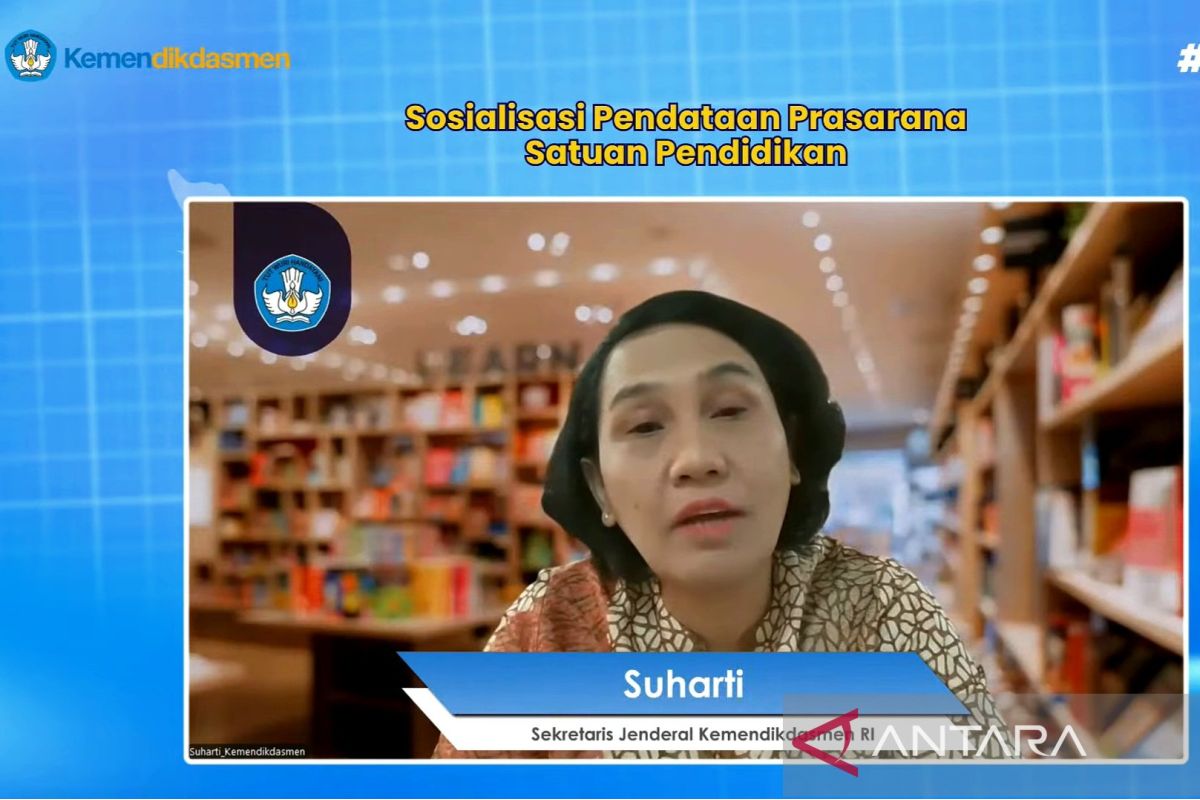
The Ministry of Primary and Secondary Education (Kemendikdasmen) is urging all district and city governments to take three major steps to reduce the number of out-of-school children (ATS), which remains relatively high. Secretary General of Kemendikdasmen Suharti said that reducing the ATS rate through the implementation of distance learning programmes requires synergy and coordination between the central government, provincial governments, districts, cities, and educational units. “We invite governors, regional heads, Bappeda, provincial education offices, and related educational units to make the return of out-of-school children a joint movement,” Suharti said during a webinar titled “SPMB PJJ Movement to Return ATS to School through PJJ” in Jakarta on Friday. She therefore urged local governments to focus on three major steps to resolve the ATS issue in pursuit of the Indonesia Emas 2045 vision. To achieve this, Suharti believes each province must have updated data on the distribution of ATS, their backgrounds, and the factors preventing students from accessing formal education. “It is certainly not easy, but because this is our commitment, we can do it together. Handling out-of-school children is not just Indonesia’s concern; it is a global commitment, both through UNESCO and for ASEAN countries,” Suharti said. This is evidenced by the formation of working groups to address various issues related to the ATS rate. As a third step, Suharti called on local governments to evaluate and ensure that ATS who return to formal education do not drop out again midway. “Because our success is not only measured by how many we can serve, but by our ability to ensure they continue learning, complete their education, and achieve a brighter future,” Suharti stressed.