
Education Ministry Boosts Teacher Competence in Digital Era Through KLIC Programme
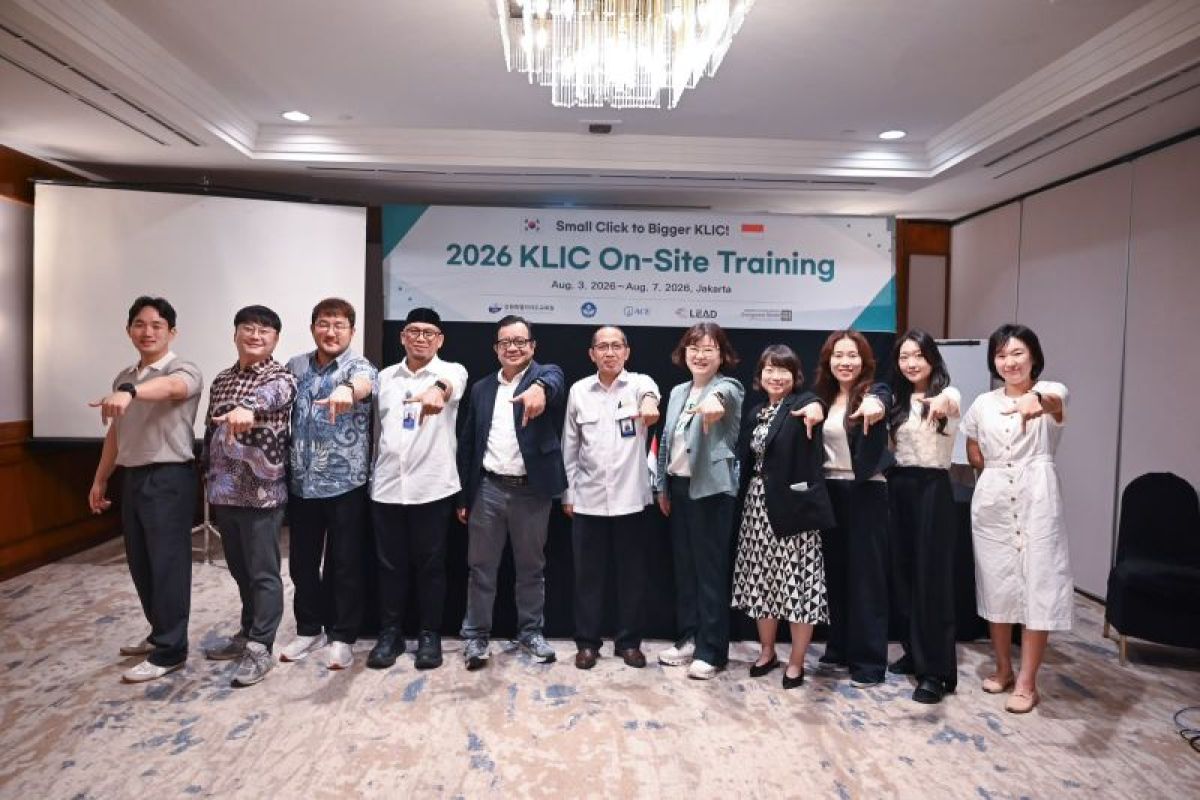
The Ministry of Primary and Secondary Education (Kemendikdasmen) is enhancing teacher competence to face and adapt to the era of digital transformation through the implementation of the Korean e-Learning Improvement Cooperation (KLIC) 2026. Director General of Teachers and Education Personnel (Dirjen GTK) at Kemendikdasmen, Nunuk Suryani, stated in Jakarta on Wednesday that this international cooperation is part of efforts to improve the quality of Indonesian teachers through mastery of educational technology, global collaboration, and the development of innovative, student-centred learning. “Learning transformation can only run optimally if teachers possess strong digital competence and are able to integrate technology into meaningful learning,” said Director General Nunuk. She added that the development of digital technology has brought rapid changes to the world of education. According to her, technology now not only functions as a supporting tool but has become an inseparable part of an effective, innovative learning process that is relevant to students’ needs. The involvement of secondary education teachers is part of the government’s strategy to prepare teaching resources capable of implementing technology-based learning, while also supporting national policies on Deep Learning, Coding, and Artificial Intelligence in educational units. This international collaboration, such as KLIC, provides an opportunity for Indonesian teachers to learn best practices in digital learning from a country that has successfully developed a technology-based education ecosystem. The programme is supported by expert instructors from South Korea and is attended by 24 selected teachers from primary, junior secondary, senior secondary, and vocational school levels. Meanwhile, in the activity implementation report, Director of Primary Education Teachers at Kemendikdasmen, Rachmadi Widdiharto, conveyed that educational transformation demands teachers continuously improve their competence to deliver learning that is relevant to the needs of students in the digital era. “The successful implementation of priority programmes requires teachers who are able to utilise technology wisely while integrating it into student-centred learning processes,” said Rachmadi. As a form of programme sustainability, the best participants from the 24 teachers who attended the training will be selected to take part in advanced training in the Republic of Korea in 2026. This opportunity is expected to produce teachers who can become agents of change in the development of digital learning in Indonesia.