
Education Ministry and Regional Governments Strengthen Collaboration to Address Under-Enrolled Schools
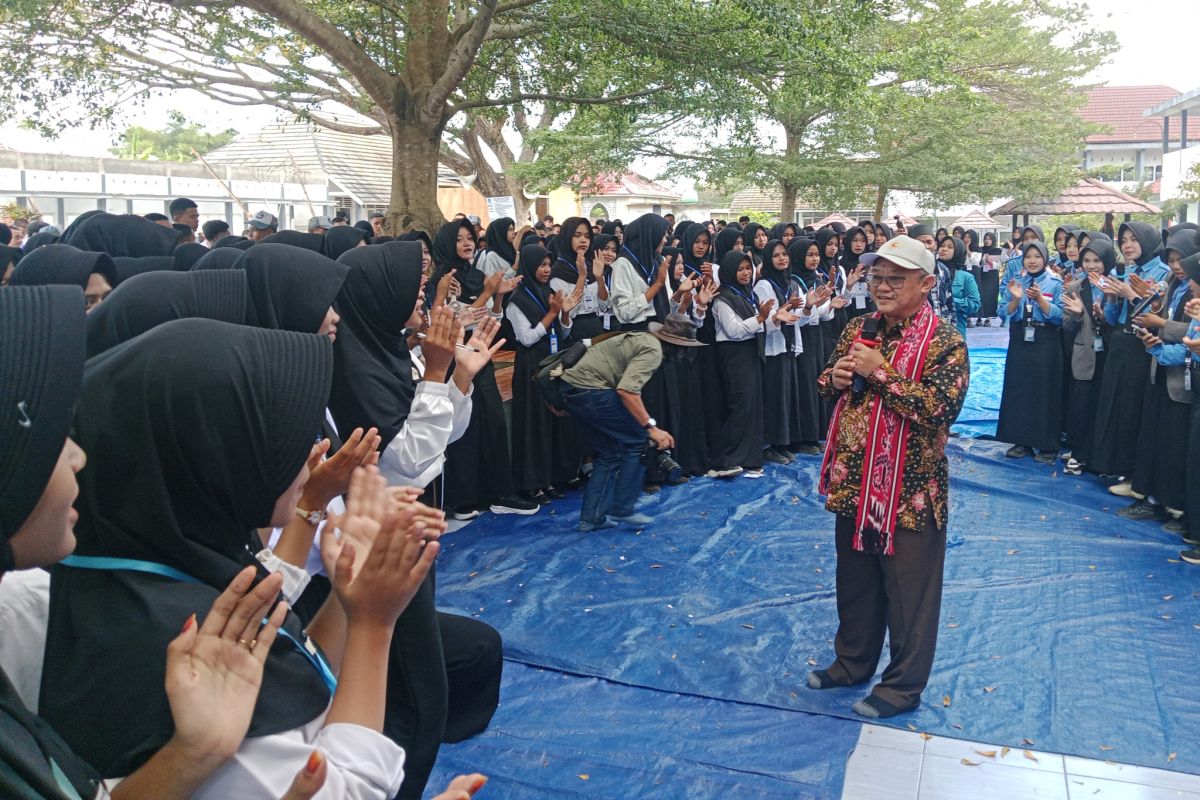
The Ministry of Primary and Secondary Education (Kemendikdasmen) is strengthening collaboration with regional governments as a strategic step to address the condition of a number of schools with minimal student numbers. Minister of Primary and Secondary Education Abdul Mu’ti said in Jakarta on Sunday that this condition is influenced by various factors, including changes in the school-age population, population movement, the development of residential areas, and differing geographical conditions in each region. As a basis for policy formulation, the ministry has conducted data collection through the Basic Education Data (Dapodik), specifically targeting schools with fewer than 100 students, including those with fewer than 60 students. This data has been submitted to the Ministry of Home Affairs as part of inter-ministerial coordination. Based on this data, Kemendikdasmen will formulate appropriate policies for schools with limited student numbers. Policy formulation is carried out jointly with regional governments, given that the management of education units falls under their authority. “We are committed to continuing to promote equitable quality education so that all schools can provide quality educational services and become the choice of the community. One of these efforts is strengthening the quality of learning, improving teacher competence, and providing adequate facilities and infrastructure,” he said. Kemendikdasmen also continues to coordinate with regional governments to conduct periodic evaluations of school conditions so that policies can be tailored to the characteristics and needs of each region. He added that the dynamics of community choice regarding schools is also a factor that needs attention. Based on the results of a 2025 Kompas Research and Development study, there is a tendency for some parents to choose to send their children to primary schools with religious affiliations. This study serves as one input in understanding changes in community preferences for educational services. “We invite all stakeholders, including regional governments, education units, parents, and the community, to jointly build a quality, inclusive, and equitable education ecosystem. Through this collaboration, hopefully every school can develop according to its regional potential, while ensuring every Indonesian child obtains equal and quality learning opportunities,” said Minister Mu’ti.