
Education Ministry and BPOM Promote Healthy Living Through Food Safety Education
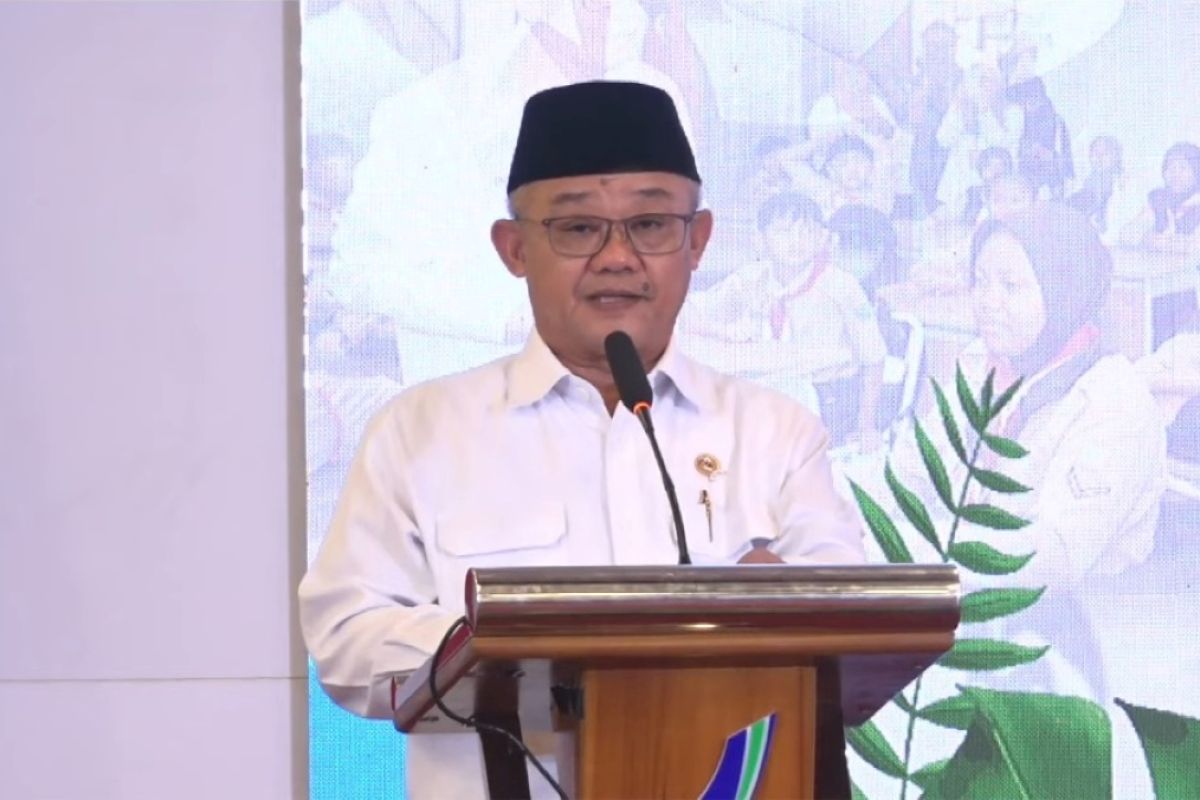
The Ministry of Primary and Secondary Education is strengthening efforts to build a culture of healthy living in educational settings through the signing of a Memorandum of Understanding (MoU) with the Food and Drug Supervisory Agency (BPOM) to educate about food safety. Minister of Primary and Secondary Education Abdul Mu’ti stated in Jakarta on Tuesday that schools play a strategic role in familiarising children with the quality of the food they consume. “Simple habits such as reading ingredient compositions, checking expiration dates, and recognising nutritional content are part of character education relevant to daily life,” Mu’ti said. “Our problem is that children often choose food for fun without being aware of its nutritional content. Therefore, a culture of healthy living and food awareness is important,” he added. He assessed that the collaboration with BPOM is a joint step to expand food safety education in schools through the launch of the Culture-Based Food Safety Awareness Programme (Sapa) for Schools, the Movement of 1,000 Food Safety Education Cadres Using Regional Languages, and three food safety implementation guidelines that support the Free Nutritious Meal Programme (MBG) and the cultivation of food safety in educational units. Through this collaboration, the Ministry of Primary and Secondary Education wants to ensure that schools are not only places for students to gain knowledge but also spaces to build healthy living habits they will carry into adulthood. “Hopefully, this MoU will be the beginning of building a healthy living culture for Indonesia’s Golden Generation 2045,” he said. He viewed the collaboration as being in line with various priority programmes, ranging from the Healthy School Programme, the Seven Habits of Great Indonesian Children Movement, the development of a safe and comfortable school culture, to the Free Nutritious Meal Programme that reaches millions of students. Similarly, Head of BPOM Taruna Ikrar stated that cross-sector synergy is key to expanding food safety education. Currently, out of approximately 260,000 schools in Indonesia, only around 60,000 can be directly reached by BPOM. “Instilling food safety culture in schools from an early age is one solution to food safety issues. Education about a healthy and nutritious eating culture must be taught from the beginning,” he said. The collaboration is also strengthened through a cultural approach. Minister of Culture Fadli Zon said that the use of regional languages, performing arts, and folklore will make food safety messages more easily accepted by the public. “Messages about food safety will be more easily received if conveyed through regional languages, performing arts, or folklore. Culture is not only a heritage to be preserved but also an effective means of building public awareness,” he said.