
Education Minister: Free Nutritious Meals Programme Linked to School Attendance
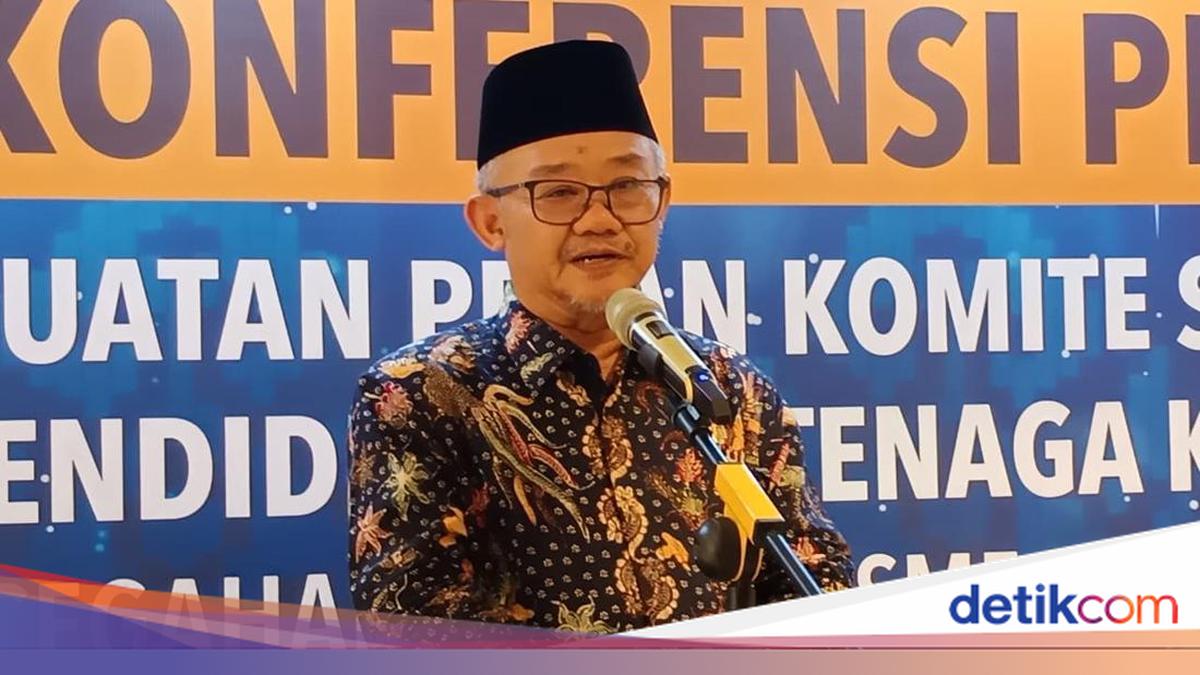
The Minister of Primary and Secondary Education, Abdul Mu’ti, has highlighted a link between the Free Nutritious Meals (MBG) programme and pupils’ school attendance. He said the programme not only helps meet students’ nutritional needs but may also encourage them to come to school more regularly.
According to information received on Saturday (31 October 2026), Mu’ti said several studies indicate a connection between the implementation of MBG and student attendance. The availability of nutritious food at school is one attraction that encourages children to attend and take part in lessons.
Mu’ti made the remarks at the signing of a cooperation agreement between the National Nutrition Agency (BGN) and the Ministry of Primary and Secondary Education, alongside the launch of an initial pilot of MBG kitchens.
“There is a lot of research, Mr Sudaryono, on the link between MBG and children’s attendance at school. Many children go to school because they will get a healthy, nutritious meal,” Mu’ti said.
He likened the programme’s appeal to Friday Blessings events at mosques, which draw people in with the prospect of food. Unlike those events, which take place every Friday, MBG is provided regularly on school days.
“I think it is similar to the way many people come to the mosque for Friday Blessings, something like that. But this happens every day, not just every Friday,” Mu’ti said.
He said the hoped-for benefits of MBG in education extend beyond meeting nutritional needs. The programme is also expected to support students’ enthusiasm for learning and contribute to improving the quality of education.
In addition to encouraging attendance, Mu’ti said MBG could be used to instil good character from an early age.
The programme’s implementation in schools, he said, could help establish positive everyday habits, from queuing orderly and maintaining cleanliness to saying prayers before and after meals and appreciating the food served.
“We have drawn on many guidelines on how these free nutritious meals can serve as a means of instilling character, values and habits in children—for example, how they queue and how they make a habit of keeping clean,” Mu’ti said.
He hopes these routines will strengthen students’ character through simple activities carried out consistently at school.
As a result, MBG is expected to benefit pupils more broadly: alongside receiving nutritious food, children can learn positive behaviours that are useful in everyday life.
Mu’ti said data on MBG recipients in the education system had been integrated with the Basic Education Data system (Dapodik). The integration is being refined to ensure that beneficiaries are students officially registered in the education system.
“The data-sharing cooperation, which has already been integrated with Dapodik, ensures that all recipients are pupils officially registered in our system, and we are continuing to improve it,” he said.
BGN head Sudaryono praised the ministry’s support for implementing MBG in schools.
“Thank you for the support from the Ministry of Primary and Secondary Education, and from the Minister,” Sudaryono said at the signing of the cooperation agreement between the ministry and BGN on Friday (30 October).
The support includes providing facilities such as washbasins, allocating dedicated time for MBG, and strengthening nutrition education through the school curriculum.
Source: jawawa.id (https://jawawa.id/newsitem/education-minister-free-nutritious-meals-programme-linked-to-school-attendance-1793458267)
Originally published by detikcom (https://news.detik.com/berita/d-8732879/mendikdasmen-ada-kaitan-kehadiran-anak-ke-sekolah-dengan-mbg), translated from Indonesian