
Education Home Application Launched by Pusdatin Kemendikdasmen Begins to Make an Impact
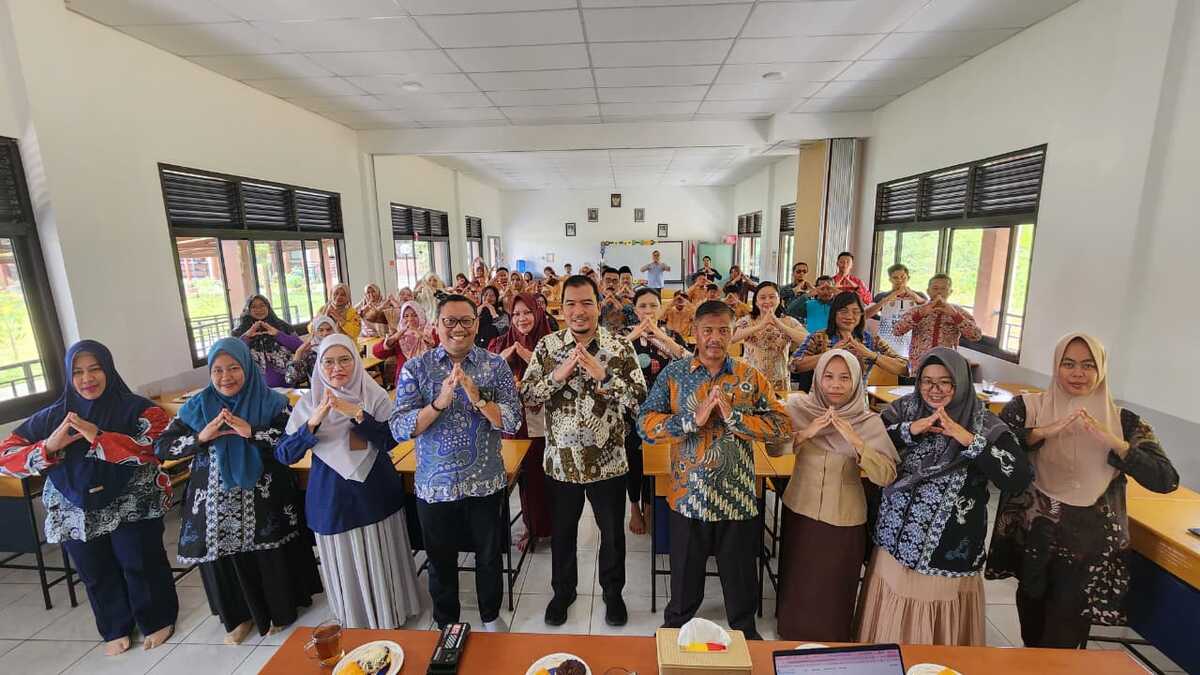
The implementation of the Super Aplikasi Rumah Pendidikan, launched by the Pusat Data dan Teknologi Informasi (Pusdatin) of the Ministry of Education and Culture (Kemendikdasmen), at SD Negeri 020 Sepaku, Penajam Paser Utara, East Kalimantan, has demonstrated tangible impacts on digital literacy and student engagement in remote areas. Of the school’s 328 pupils, 155 are active users of the Ruang Murid feature, equating to a 47.2% digital adoption rate. The most notable change is the improved self-use of digital devices; students who previously faced technical barriers, such as using a mouse or navigating the app, can now open and close apps, access learning content, and explore educational features independently. The computer laboratory is no longer a passive space but a dynamic, participatory learning environment.
Learning Appeal: The Head of Pusdatin Kemendikdasmen, Yudhistira Nugraha, stated in a briefing on Friday (6/3) that deep, high-quality, inclusive learning through Rumah Pendidikan can be a major draw to learning and help reduce school dropouts, especially in remote areas. Surveys indicate that primary and secondary students drop out due to persistent barriers such as limited access to education, family economic conditions, and social and cultural factors that prioritise work at a young age. “There is a need for breakthroughs and smart interventions to overcome these challenges. The Super Aplikasi Rumah Pendidikan is part of building a deep education ecosystem that is engaging and important for Mendikdasmen Prof Mu’ti,” he said. Yudhistira’s experience with SDN 020 Sepaku shows that digitalisation is not merely a modernization of technology but an instrument for equalising access and enhancing learning quality. With technology applied appropriately, geographic barriers and resource limitations can be minimised. “If similar steps spread to every village in Indonesia, the national education transformation will move systemically toward realising an outstanding and adaptable generation as Indonesia prepares for the Golden Indonesia,” he added.
Brief Transformation: Syarinah, a teacher at SDN 020 Sepaku, described the transformation as occurring in a relatively short period through structured mentoring. Initially, many students were awkward using digital devices. Now they are more confident, capable of navigating independently, and willing to explore learning content without fearing mistakes. “Rumah Pendidikan is not merely a learning tool, but a medium that frees students to grow positively in the digital world,” she explained. The application developed by Pusdatin is used twice a month for 2 x 35-minute sessions. Sixteen teachers actively explore features including Lab Maya, Buku Digital, Interactive Games, and the character-building module “Tujuh Kebiasaan Anak Indonesia Hebat.” Teacher involvement is a key factor in the success of the implementation. “Through a collaborative approach in learning communities and the Teacher Working Group forum (KKG) in the Sepaku district, dissemination is undertaken continuously to bridge the gap between conceptual understanding and classroom technical practice,” she added.
Digital Learning: Syarinah noted that the Ruang Murid feature significantly accelerates teaching methods, serving as a learning accelerator for students. Content is dynamic and well-suited to the current generation’s audio-visual preferences. It enables teachers to differentiate instruction more easily because materials are delivered visually and interactively. “The 47.2% adoption rate is the initial foundation. The school aims to raise this to 80% in the next semester through strengthening computer-lab infrastructure and optimising teacher coaching,” she added.