
Editorial: Political Risk
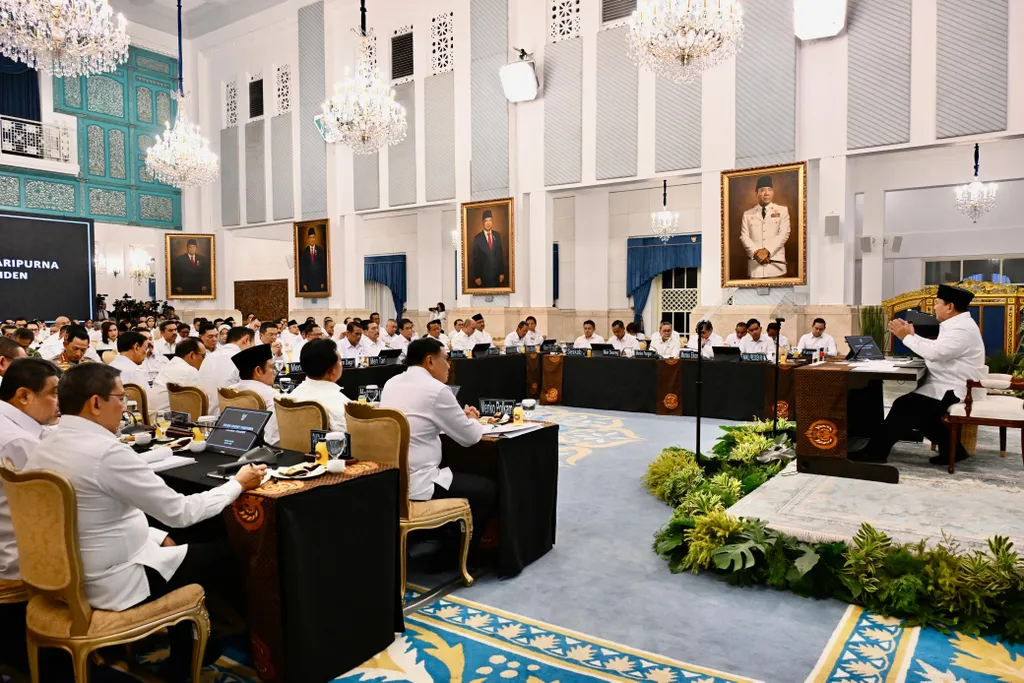
Legal certainty and policy communication remain significant challenges for the business world. Business actors are experiencing difficulties in understanding the direction of government policy.
The piece titled “Political Risk, the Spectre of the Business World” (Kompas, 10/09/2026) is deeply concerning. Our business sector is facing political risks that are becoming increasingly strong and widespread.
This does not only arise from direct government policies, but is also formed by the increasing uncertainty regarding policy direction, institutional stability, or the response of power to corporate perceptions.
Bloomberg reported on Tuesday (08/09/2026) that Indonesia’s wealthiest individuals have invested US$1.4 billion abroad. This represents a diversification of income sources into other currencies. Overseas investment is part of a broader trend of capital outflows from Indonesia. Investors withdrawing funds from Indonesia have also pressured the rupiah exchange rate to its lowest position, triggering sell-offs in the stock market.
Both the public and the Indonesian Government certainly have an interest in attracting investment from any source into the country to build domestic supply chains. This would create many jobs, provide added value, generate ripple effects in the economy, and contribute to national tax revenues.
Legal certainty and policy communication remain challenges for the business world in Indonesia. Some business actors are finding it difficult to understand the direction of government policy.
Rhenald Kasali from the Faculty of Economics and Business, University of Indonesia (FEB UI), stated that the government will be unable to drive economic growth if it fails to attract foreign capital while simultaneously ensuring that domestic capital remains and expands within the country.
One area that needs improvement is the negative perception held by some government elites towards the business world. This affects policymaking, thereby widening the trust gap between the government and the business sector. Furthermore, inconsistent communication between ministries further complicates these issues.
The weakening of checks and balances between institutions makes the direction of policy increasingly difficult to predict. This uncertainty results in high business costs, preventing investment from reaching its maximum potential. Consequently, the ability of the business sector to create jobs weakens, leading to increased unemployment.
Do not underestimate the ongoing political risks here; the impact will seep into all areas, ultimately making the welfare of the Indonesian people increasingly vulnerable.