
Eddy Soeparno Emphasises the Role of Waste-to-Energy Plants in Tackling National Waste Issues
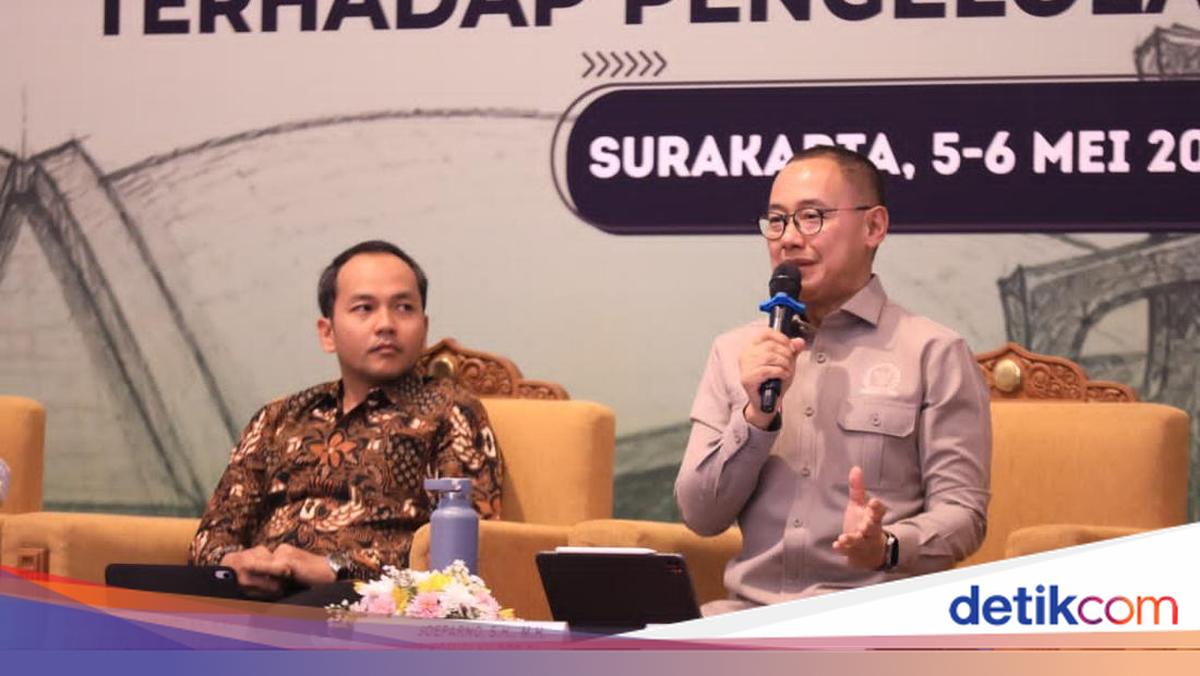
In his presentation, Eddy emphasised the importance of accelerating the development of waste-to-energy (WtE) or PLTSa as a key strategy to address two major challenges facing Indonesia simultaneously: the waste management crisis and the need for a transition to clean energy.
Eddy stressed that Indonesia’s waste problem has reached emergency levels. Of the total national waste accumulation exceeding 56 million tonnes per year, around 61% remains unmanaged, with much of it ending up in open dumps or polluting the environment.
This situation not only impacts environmental quality but also public health and national economic efficiency.
Specifically, Eddy commended President Prabowo’s commitment to making waste management a national priority, as well as the breakthrough in adopting a WtE approach to handle waste.
“The waste issue is a priority for President Prabowo, and this must be appreciated. Conventional waste management approaches are no longer adequate. Therefore, transforming towards a circular economy model through the development of PLTSa is a strategic step taken by President Prabowo,” he stated in a written release on Wednesday (6/5/2026).
Globally, WtE development has proven effective. Countries such as China lead with an installed capacity of 13.7 GW, followed by Japan, Germany, and the United States.
According to Eddy, Indonesia has significant potential to catch up by leveraging the latest regulatory momentum.
According to this PAN deputy chairman, Presidential Regulation No. 109 of 2025 serves as a key milestone in accelerating national PLTSa development. This regulation introduces fundamental improvements, including electricity tariff certainty at 20 US cents per kWh, contract durations of up to 30 years, and a guaranteed minimum waste supply of 1,000 tonnes per day.
“Additionally, the elimination of the tipping fee scheme from regional budgets and the shift to national budget financing are seen to enhance investment appeal while easing the fiscal burden on local governments. This Perpres provides a strong signal that the state is present to create investment certainty in the renewable energy sector, particularly waste-based,” Eddy asserted.
Furthermore, this UI Political Science Doctor explained that PLTSa development not only impacts the energy sector but also opens new economic opportunities. Each megawatt of PLTSa capacity is estimated to create up to eight new jobs.
Moreover, the development of 33 PLTSa locations in Indonesia has the potential to produce electricity capacity of up to 450-660 MW, while opening revenue opportunities from carbon trading projected to reach up to USD 30 billion by 2030.
In this context, Eddy specifically emphasised the importance of involvement from academics and students. He views campuses as centres of innovation that can contribute to research on technology, policy design, and the development of more sustainable and equitable PLTSa governance models.
“WtE development must be seen as an integral part of the broader agenda for national energy resilience and Indonesia’s leadership in global climate action. The success of this programme greatly depends on cross-sector collaboration and long-term policy consistency,” he concluded.
For information, those present with Eddy Soeparno at the event included the Mayor of Solo, Respati Ardhi, and Deputy Chairman of Commission XII of the DPR RI, Aria Bima.
Source: jawawa.id (https://jawawa.id/newsitem/eddy-soeparno-emphasises-the-role-of-waste-to-energy-plants-in-tackling-national-waste-issues-1778194582)
Originally published by detikcom (https://news.detik.com/berita/d-8476432/eddy-soeparno-tekankan-peran-pltsa-untuk-atasi-sampah-nasional), translated from Indonesian