
Eddy Soeparno backs Prabowo in reforming export governance
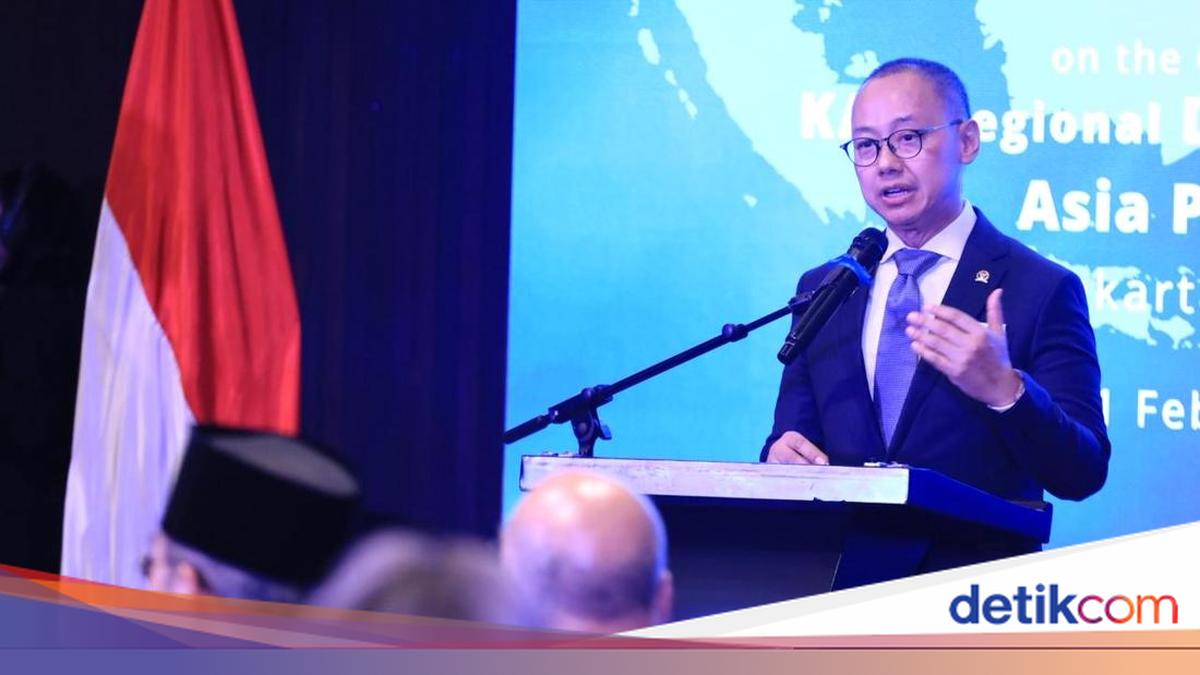
President Prabowo delivered this commitment during the 19th Plenary Session of the Indonesian House of Representatives (DPR RI) regarding the Macro-Economic Framework (KER) and the Core Principles of Fiscal Policy (PPKF) at the DPR building in Jakarta today. According to Eddy, Prabowo’s speech on commodity export governance reaffirms the constitutional mandate of Article 33 of the 1945 Constitution to ensure that the management of natural resources is utilised for the greatest benefit of the people. He noted that, to date, the country has faced serious challenges in the governance of commodity exports, particularly practices of under invoicing and transfer pricing carried out by certain business actors. These practices cause the recorded value of exports to not reflect their true value, resulting in lower state revenues and foreign exchange earnings from exports. “This step to regulate commodity exports is important to ensure that Indonesia’s natural resource wealth truly yields optimal benefits for the nation and the people. There have been issues of under invoicing and transfer pricing that mean state revenues from natural resources exports are below their real value,” Eddy said in a statement on Wednesday, 20 May 2026. “We hope the new mechanism prepared by the government can strengthen oversight, increase transparency of commodity trade, and maximise national foreign exchange earnings amid global economic challenges and the need to finance national development,” the PAN deputy general chairman added. However, he warned that policy implementation must be carried out carefully and with clear communication to avoid creating uncertainty among the business community. “What needs to be done now is to invite business players in sectors included in the Presidential Regulation (Perpres) to discuss openly. Presidential aides need to build good communication so that doubts, confusion, or unease among business players do not arise,” he continued. Eddy emphasised that the commodity export sector still requires regulatory certainty and a healthy business climate so that Indonesia remains competitive in the global market. Therefore, the transition to the new mechanism must prioritise certainty and ease of doing business, transparency, and collaboration between the government and industry players. “The main objective is to strengthen national interests without disrupting the continuity of business and the competitiveness of Indonesia’s exports. The state requires optimal revenue, while the business world also needs certainty and clarity of rules,” he concluded.