
Economy Supported by Domestic Sector, BI Assures Rupiah Stability
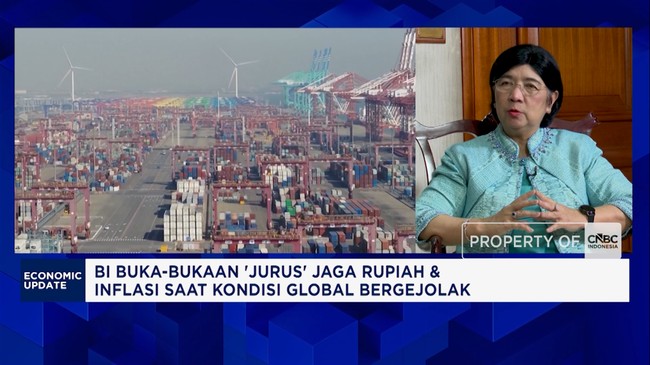
Bank Indonesia, together with the Ministry of Finance, the Financial Services Authority (OJK), and the Indonesia Deposit Insurance Corporation (LPS), which are members of the Financial System Stability Committee (KSSK), has confirmed strengthened coordination to ensure the stability of Indonesia’s financial system amidst global economic and geopolitical volatility. Senior Deputy Governor of Bank Indonesia, Destry Damayanti, stated that the government and authorities within the KSSK continue to coordinate on policy directions to maintain domestic stability, including policies to safeguard the Rupiah exchange rate. In an effort to maintain Rupiah stability and reduce dependence on the US Dollar, Bank Indonesia continues to strengthen its cooperation with partner central banks through Local Currency Transactions (LCT), which allow businesses to conduct transactions using local currencies. Currently, BI has implemented the LCT scheme with Malaysia, Thailand, Singapore, as well as China and Hong Kong, and is preparing to expand cooperation with South Korea, India, and Saudi Arabia. Efforts to maintain Rupiah stability are also driven by the Natural Resource Export Proceeds (DHE) policy to keep foreign exchange flows within the country. However, this policy is assured not to disrupt the cash flow of businesses and exporters.