
Economy Projected to Grow 5 Percent During Eid Period, Q2 Heavier?
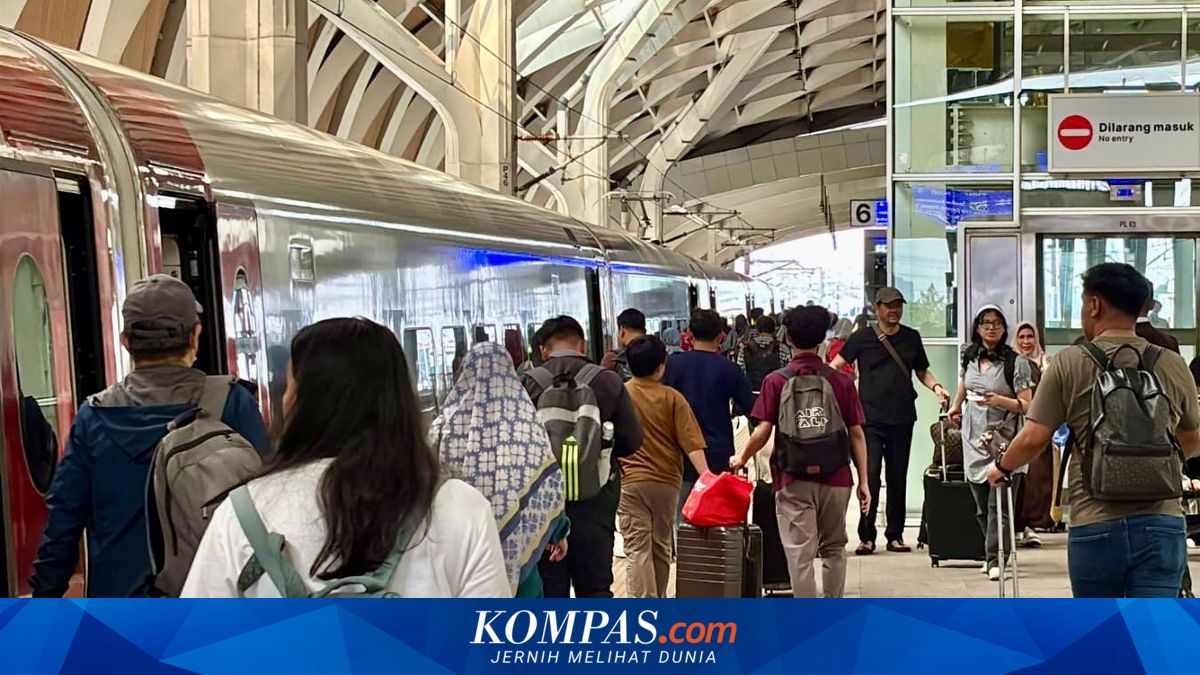
JAKARTA, KOMPAS.com - The Eid al-Fitr period has concluded, yet Indonesia’s economy is projected to continue growing above 5 percent, supported by sectors ranging from transportation to telecommunications.
Although the year began optimistically, economic conditions in the second quarter of 2026 are anticipated to be more challenging due to the effects of the conflict between the United States, Israel, and Iran.
Maybank economist Myrdal Gunarto projects that economic growth for the first quarter of 2026 could reach 5.37 percent.
This is supported by government measures that have accelerated public spending programmes from the start of the year, including the Free Nutritious Meals (MBG) and the Red and White Cooperative.
“The main drivers include household consumption, which is likely to grow by 5.16 percent,” he told Kompas.com.
The transportation sector is predicted to grow by 8.38 percent year-on-year (yoy), while related accommodation sectors could expand by up to 6.12 percent.
The communications and telecommunications sector is also expected to rise by 7.37 percent.
“These factors will keep our economic growth in the first quarter of 2026 at a fairly high level of 5.37 percent,” he explained.
The additional income from Eid bonuses provides households with disposable income ready to be spent.
“Since Indonesia’s economy is driven by household consumption, the presence of THR or extra allowances in the form of BHR will undoubtedly boost consumption levels,” he clarified.
Additionally, the long holiday period during Eid further supports consumption and economic growth.
The combination of disposable income and extended holidays automatically maximises household spending.
As a reminder, last year’s Eid fell at the end of March, in the final period of the first quarter of 2025. However, much of the public spending and holiday activities spilled over into the following month.
“Thus, in the second quarter of 2025, our economic growth rose to 5.12 percent from 4.87 percent in the first quarter. That second quarter also included the 13th-month salary for civil servants, as well as long holidays in April and May,” he said.
The government is also expected to maintain stable food prices, such as chicken meat, red chillies, shallots, rice, and eggs.
“As long as the government can manage this well, I believe inflation will remain controlled without significant spikes,” he stated.
In other words, as long as the government ensures adequate supply, inflationary impacts will not surge as they did in previous years.
“Last year, early-year inflation was relatively tame because the government succeeded in maintaining food supplies, particularly key commodities,” he concluded.