
Economists highlight efforts to protect SMEs from global conflict impacts
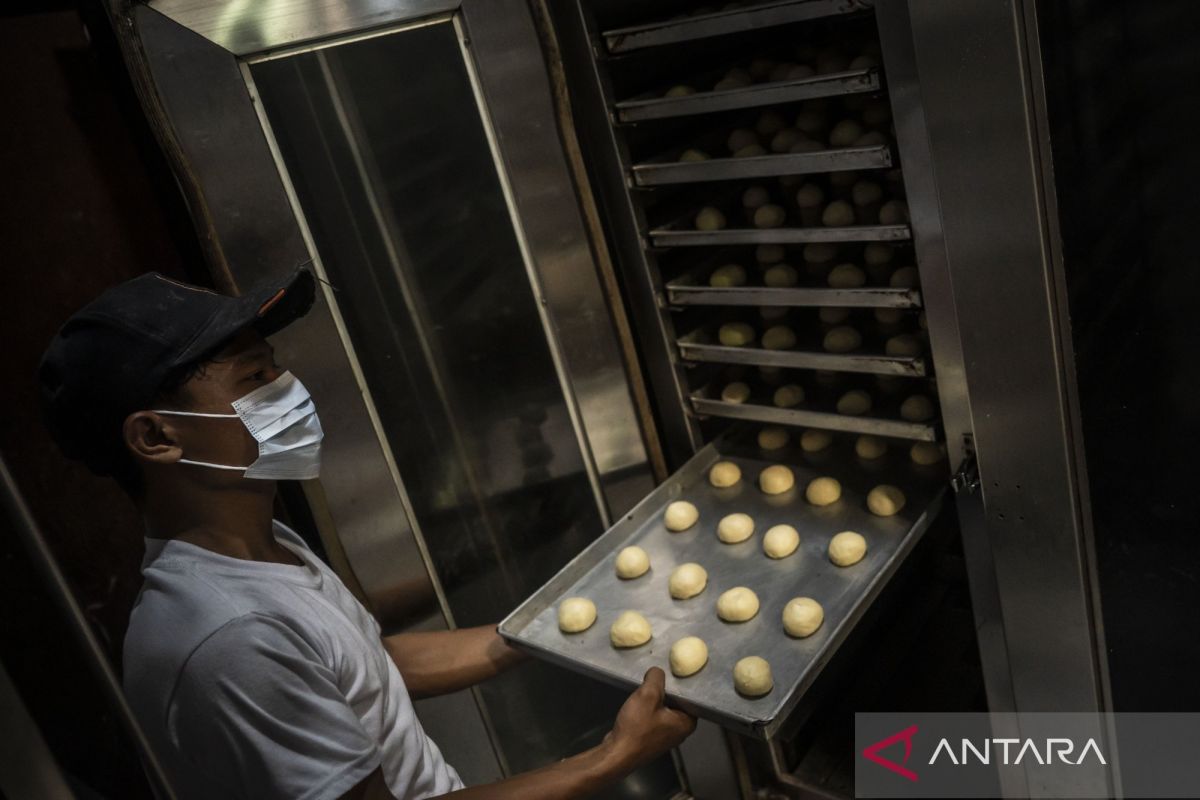
Jakarta (ANTARA) - Professor Sahara from the Department of Economics at IPB University has emphasised the need for swift and measured government actions to protect micro, small, and medium enterprises (MSMEs) from the impacts of global conflicts, including tensions in the Middle East. According to Sahara, Indonesian MSMEs are not directly affected by these conflicts but are highly vulnerable to indirect effects that spread through rising energy prices, logistics disruptions, and expensive imported raw materials. “The impacts are indirect, but that is precisely where the vulnerability lies. Production costs rise, distribution is disrupted, and consumer purchasing power weakens,” Sahara stated during a public discussion by CORE Indonesia in Jakarta on Wednesday. She explained that disruptions to global shipping routes, such as the Strait of Hormuz, could trigger increases in logistics and energy costs, ultimately driving inflation through higher import prices. This situation, she said, pressures MSME operators who typically operate on thin profit margins. Unlike large companies with strong capital reserves and access to hedging instruments, MSMEs are deemed more easily hit by external shocks. Therefore, Sahara considers stabilising production costs as the most urgent step the government must take. She added that energy and raw material subsidies are also needed as quick-win policies to help MSME players survive in the short term. In addition, she warned the government against adding burdens to MSMEs through tax increase policies amid ongoing global pressures. On the other hand, she noted that protection efforts must also address supply chain aspects. MSMEs should be encouraged to secure alternative raw material sources to reduce dependence on vulnerable imports. Not only from the production side, Sahara believes the government must also maintain consumer purchasing power as the main support for the MSME market, which is largely domestic. According to her, without adequate protection measures, pressures on MSMEs could have widespread impacts on the national economy, given the significant contribution and number of MSME players in Indonesia. “MSMEs are not the most directly affected, but the most vulnerable. If not protected, the effects could spread to the national economy,” Sahara said.