
Economists emphasise the importance of plastic raw material resilience to safeguard SMEs
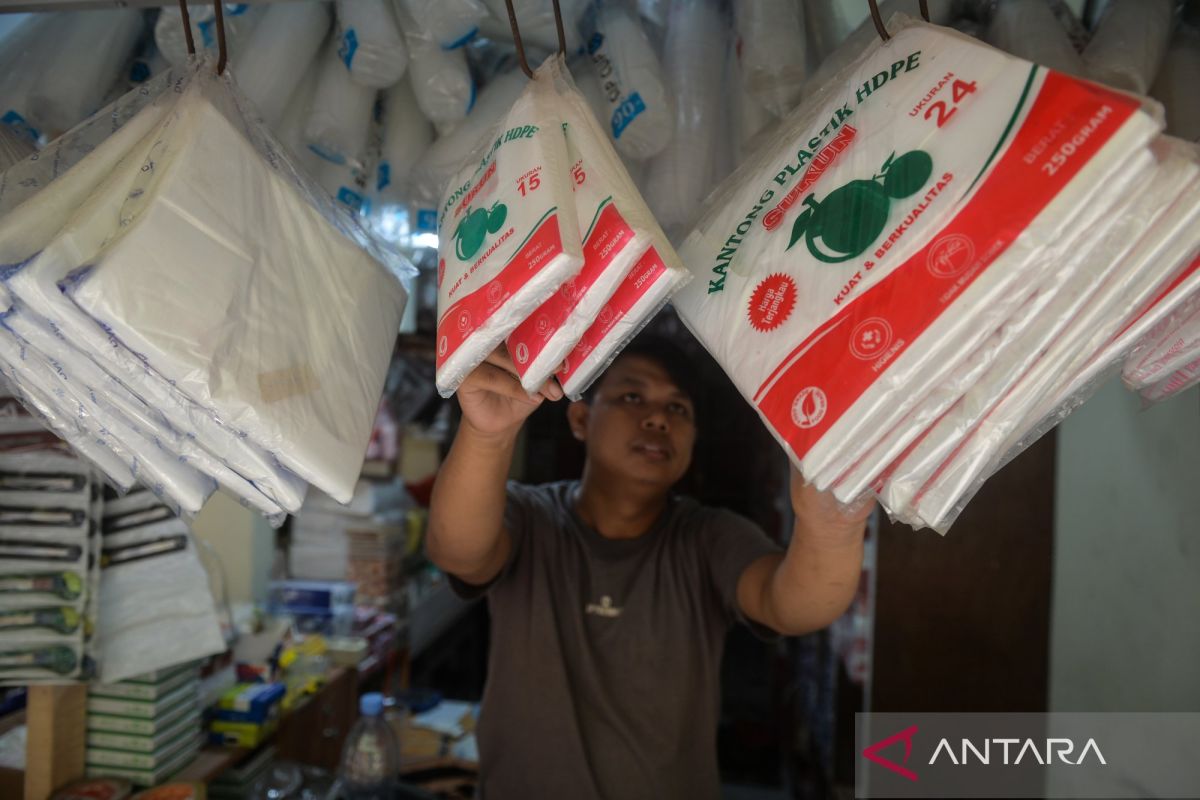
In the short term, fulfilling domestic supplies is crucial to reduce plastic prices.
Jakarta (ANTARA) - Director of the Center of Economic and Law Studies (Celios), Nailul Huda, emphasised the importance of plastic raw material supply resilience to sustain micro, small, and medium enterprises (MSMEs) amid escalating global pressures.
In a statement in Jakarta on Wednesday, he explained that the high dependence of the petrochemical industry, as the upstream sector for plastics, on imports of raw materials, particularly from the Middle East, poses a challenge for both the government and industry in maintaining production continuity.
According to him, Indonesia’s plastics industry is indeed heavily reliant on imports, especially from the Middle East region, reaching around 70 per cent.
Amid these pressures, Nailul stressed the importance of maintaining domestic supplies to cushion the downstream effects on the downstream sector and society.
“In the short term, fulfilling domestic supplies is crucial to lower plastic prices. If not, there could be a 30 per cent increase in domestic service prices. Starting from the laundry industry and other MSMEs, they are highly vulnerable to rising plastic prices. On one hand, there needs to be development of plastics using raw materials that are abundantly available domestically and at affordable prices,” said Nailul.
Furthermore, he conveyed that the pressures facing the global plastics industry stem from the failure of negotiations between the United States and Iran, which prolongs geopolitical tensions.
“One impact of the failed Iran-US negotiations is global economic uncertainty, particularly related to trade. Oil prices are certain to remain high, and international trade costs will also increase,” he stated.
In agreement, the Secretary General of the Indonesian Association of Olefin, Aromatic, and Plastics Industry (Inaplas), Fajar Budiono, also emphasised the importance of raw material resilience, given the surge in naphtha demand due to production capacity expansion.
“From the petrochemical industry perspective, the 2024 figure is around 2.7 million tonnes per year. But in 2025, due to new factories, our naphtha needs will actually reach 4.5 million tonnes,” he explained.
Amid supply uncertainties from the Middle East, he said his side is beginning to seek alternative sources from Africa, Central Asia, to America. However, this diversification comes with consequences, namely much longer delivery times.
“If naphtha shipments from the Middle East to Indonesia take only 10 to 15 days. Then from elsewhere, the fastest is 50 days,” said Fajar.
This situation forces the industry to adapt quickly. Cost pressures, supply delay risks, to price fluctuations have placed industry players, in his view, in a survival phase.
Not stopping at supply diversification, the industry is also, according to Fajar, developing alternative raw materials as a medium-term mitigation step.
Although LPG is seen to have great potential as a substitute, its implementation is still hindered, particularly regarding import duties.
“Now we can seek alternative raw materials to replace naphtha, the first being condensate. The second is LPG,” said Fajar.
Previously, Executive Director of INDEF, Esther Sri Astuti, asserted the importance of a swift and coordinated response to prevent broader impacts.
Industry Minister Agus Gumiwang Kartasasmita assured that the government is striving to maintain plastic supply stability so as not to burden small and medium industries (IKM) amid global raw material shortage threats.
The Minister in Jakarta on Wednesday (15/4) stated that the main issue in raw material availability currently is not only supply but also pricing. Therefore, the government will take steps to reduce cost burdens on IKM players.
Source: jawawa.id (https://jawawa.id/newsitem/economists-emphasise-the-importance-of-plastic-raw-material-resilience-to-safeguard-smes-1776855148)
Originally published by Antara (Indonesian) (https://www.antaranews.com/berita/5537025/ekonom-tekankan-pentingnya-ketahanan-bahan-baku-plastik-guna-jaga-umkm), translated from Indonesian