
Economists Believe Fuel Price Adjustment is Now Necessary
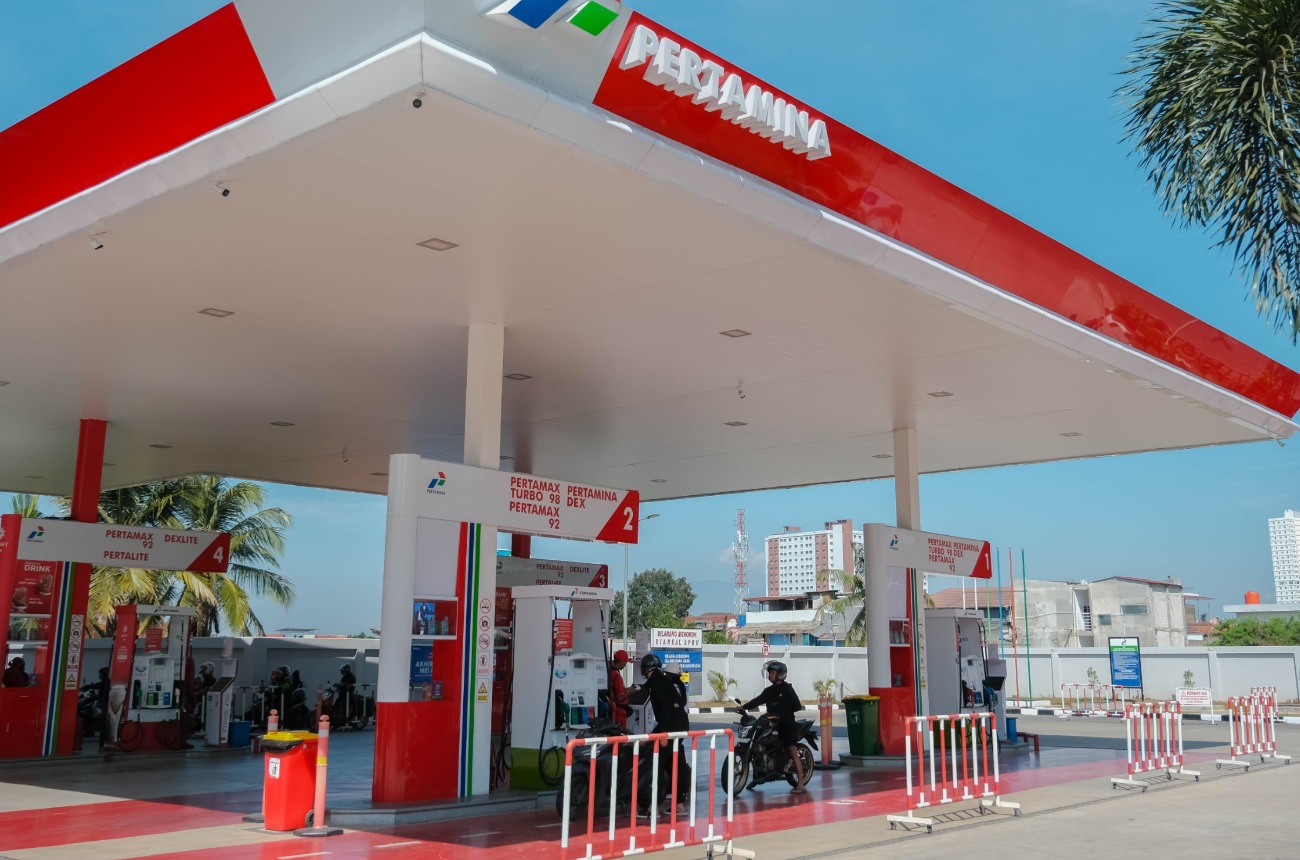
Economist from the Center of Reform on Economics (CORE), Yusuf Rendy Manilet, states that an adjustment to fuel prices is now tending towards being necessary. This is to reduce the fiscal burden, which is currently under significant pressure due to the surge in global oil prices resulting from the conflict between Iran, the United States, and Israel.
As reported, global oil prices have reached above US$100 per barrel, even briefly surpassing US$140 per barrel. Meanwhile, the 2026 State Revenue and Expenditure Budget (APBN) has set the global oil price, or Indonesian Crude Price (ICP), at US$70 per barrel.
“In the current situation, I see the answer leaning towards yes (for fuel price adjustment). It’s no longer about whether it’s needed or not, but how it’s designed. If fuel prices are kept suppressed, the entire global shock is transferred to the APBN, which drives the deficit to widen. Meanwhile, our fiscal space is limited,” Yusuf said when contacted on Sunday (5/4).
However, he said, the adjustment cannot be done drastically. With oil prices at US$140 and an exchange rate around Rp17,000, the economic fuel price could be far above the current price. “If fully adjusted immediately, the impact on inflation and purchasing power would be very significant,” he stated.
Therefore, Yusuf views a more rational approach as a gradual adjustment. For example, a limited initial increase to reduce subsidy pressure, then evaluated periodically following oil price movements. “The goal is not to close the entire gap at once, but to curb the rate of deficit expansion,” he explained.
No less important, he said, this adjustment must be accompanied by strong social safety nets. Social assistance must be targeted and distributed before or simultaneously with the increase, so that the impact on vulnerable groups can be cushioned.
“In addition, public communication must be clear, because public acceptance is very much determined by how transparently the government explains this situation,” he concluded.