
Economist: Technology transfer must be a requirement for automotive industry investment
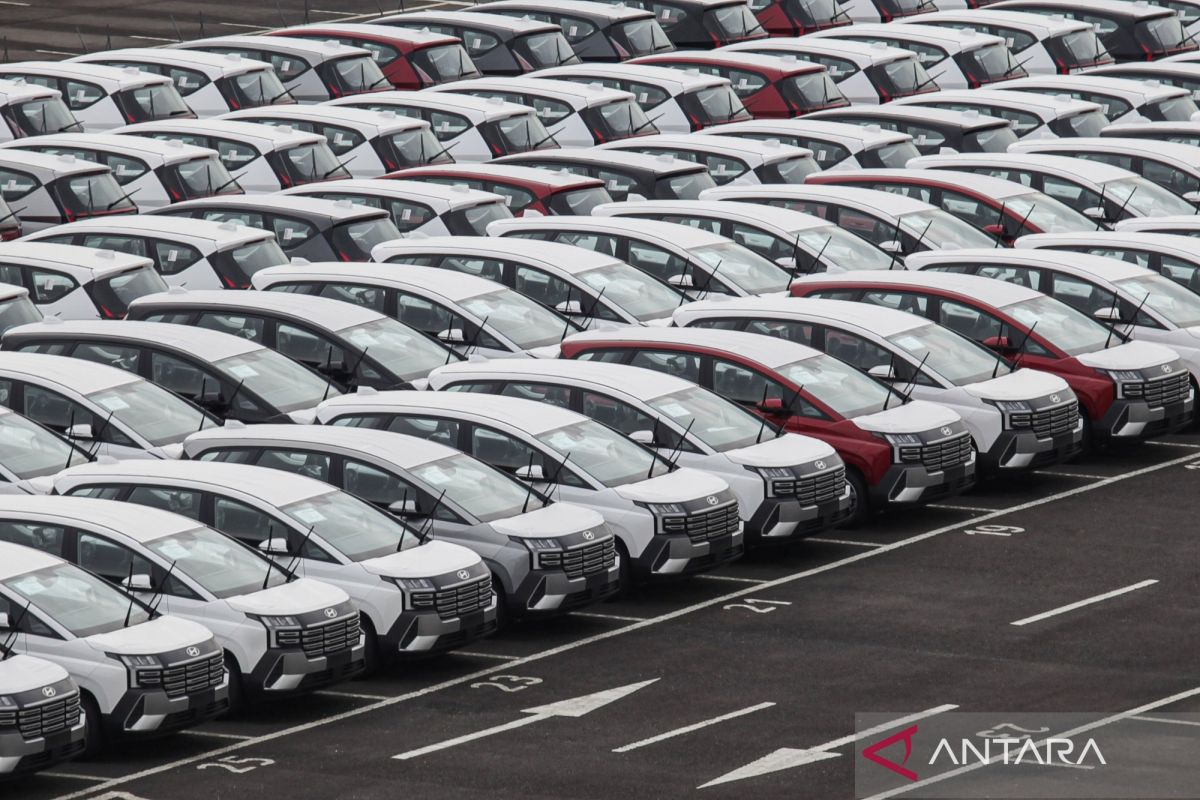
Experience shows that technology transfer does not occur automatically simply because investment enters the country, according to Yusuf Rendy Manilet, an economist from the Centre of Reform on Economics (CORE) Indonesia. He believes that technology transfer should be a prerequisite for investments in the automotive industry, including electric vehicles (EV), to ensure Indonesia gains greater added value rather than merely serving as a manufacturing destination.
Yusuf stated that past experiences indicate that the influx of foreign investment is not necessarily accompanied by technology transfer to domestic industries. He noted that the government needs to make technology transfer one of the negotiated conditions from the outset with investors to strengthen the long-term competitiveness of the national automotive industry.
He suggested several steps that could be taken, including requiring investors to build research centres in Indonesia, increasing the role of local engineers in engineering and design activities, developing domestic suppliers with measurable targets, and organising investor-funded workforce training programmes. “Indonesia possesses strong bargaining power, supported by a large domestic market and strategic mineral resources. This position should be utilised to obtain added value, not just to attract investment,” he said.
Yusuf assessed that such a strategy is also vital to support the development of the national electric vehicle industry. He noted that while Indonesia has significant opportunities due to its abundant nickel reserves for EV battery production, this advantage may not last indefinitely as some global producers are shifting towards lithium iron phosphate (LFP) battery technology, which does not rely on nickel.
Furthermore, Yusuf warned that being merely a production hub for electric vehicles is insufficient to enhance national industrial competitiveness. He argued that Indonesia needs to build innovation capacity through joint research between the government, universities, and industry, establish national technical standards for battery and EV technology, and utilise government procurement as an initial market for domestic innovative products.
Meanwhile, the Minister of Industry, Agus Gumiwang Kartasasmita, stated that Indonesia is entering a new phase as an automotive production base, including in the development of electrified vehicles. Throughout the first half of 2024, sales of electrified vehicles reached 117,000 units, an increase of 69.4 per cent compared to the same period the previous year. This figure represents 26.8 per cent of total national passenger vehicle sales, with approximately 69,000 units being battery electric vehicles (BEV).
Source: jawawa.id (https://jawawa.id/newsitem/economist-technology-transfer-must-be-a-requirement-for-automotive-industry-investment-1785499227)
Originally published by Antara (Indonesian) (https://www.antaranews.com/berita/5674563/ekonom-alih-teknologi-harus-jadi-syarat-investasi-industri-otomotif), translated from Indonesian