
Economist suggests mineral exchange start with 1-2 commodities
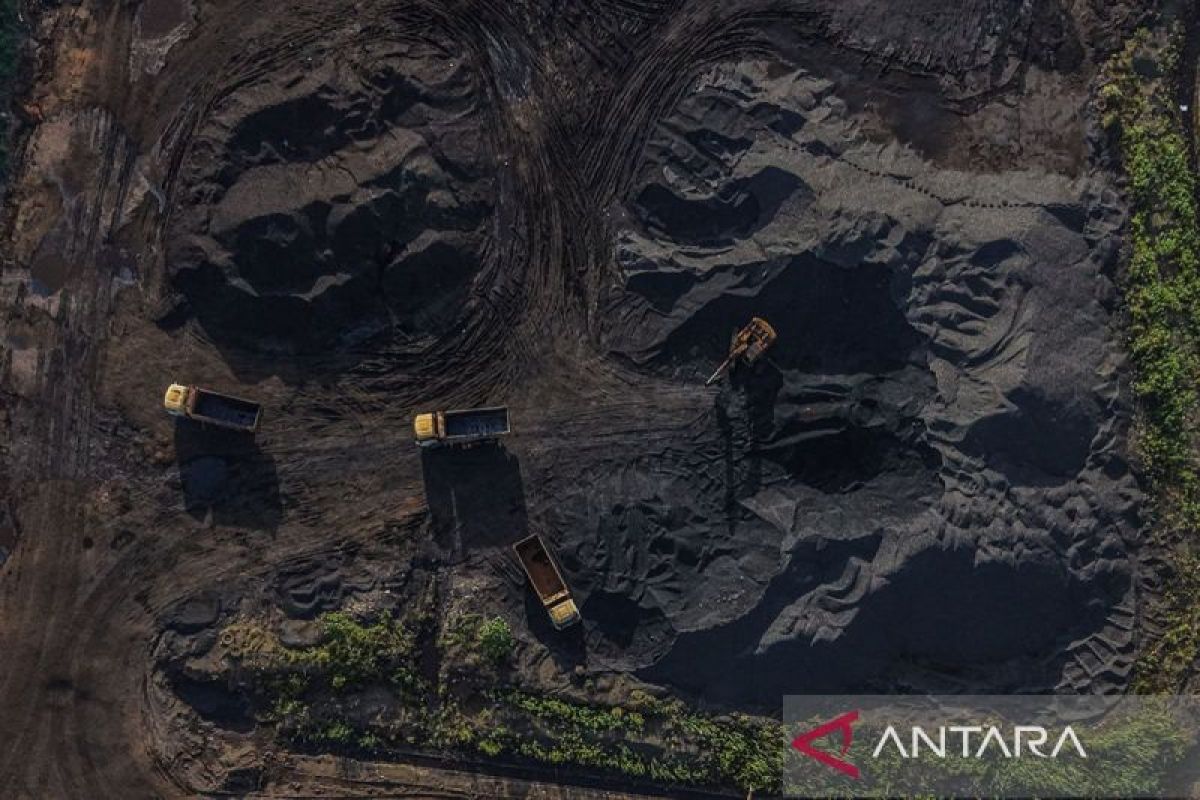
Economist at the Center of Reform on Economics (CORE) Indonesia, Yusuf Rendy Manilet, has assessed that the operation of the Mineral and Strategic Commodities Exchange (BMKS) should begin with just one or two commodities first in order to build market liquidity and credibility before expanding the scope of commodities covered.
According to Yusuf, when contacted in Jakarta on Sunday, the target of including palm oil, nickel, tin, coal, gold, coffee and rubber all at once in early 2027 is quite ambitious.
The government is considered to be better off prioritising commodities that hold a strong position in the global market but do not yet have a dominant global reference price.
According to him, nickel pig iron (NPI) could be one option because Indonesia holds a strong position in the supply chain for that commodity.
“Products such as nickel pig iron are more attractive because we can build a new benchmark, rather than directly facing a benchmark that has been in use for decades,” he said.
Nevertheless, he cautioned that the existence of the BMKS does not automatically make Indonesian commodity prices higher.
According to him, the main benefit of the exchange actually lies in improving transaction transparency, narrowing the room for under-invoicing practices, improving the tax base, and reducing transaction costs.
Meanwhile, the Chair of the Board of Commissioners of the Financial Services Authority (OJK), Friderica Widyasari Dewi, said in a press conference on Friday (14/8) that a number of minerals and commodities to be included in the BMKS have been determined.
However, the OJK has not disclosed the details because it is still waiting for a Presidential Regulation (Perpres) as the legal basis for operating the exchange.
The government is targeting the BMKS to begin operations on 1 January 2027 and to become an instrument for building an Indonesia Reference Price for a number of strategic commodities.
The exchange is also targeted to create a deeper, more transparent and more liquid market so that it can bring together producers, farmers, exporters, buyers and investors in a single trading ecosystem with open and credible transaction data.