
Economist: Streamlining of State-Owned Enterprises Could Boost Efficiency and Competitiveness
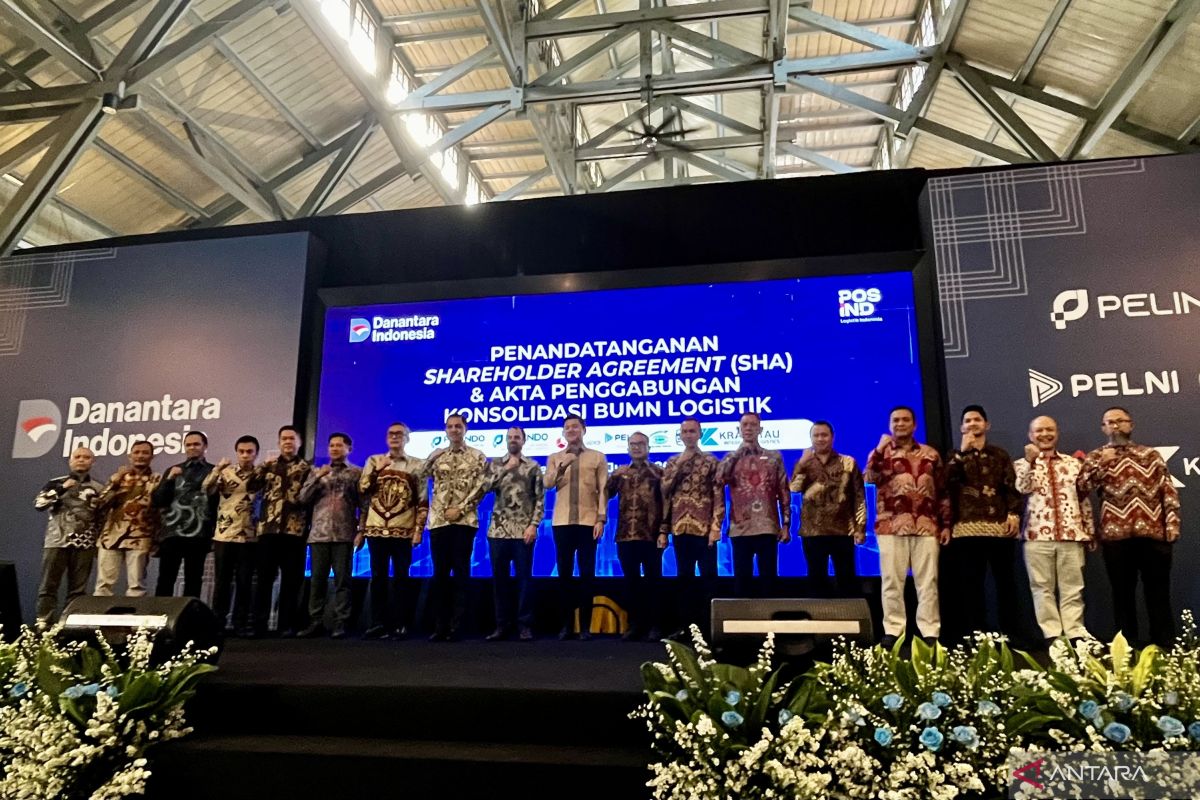
Mohamad Faisal, Executive Director of the Centre for Reform on Economics (CORE) Indonesia, believes that the programme of streamlining and rehabilitating State-Owned Enterprises (SOE) must be able to increase efficiency, competitiveness, and confidence in SOEs to deliver a real impact on the economy.
Faisal stated that the government’s target to cut the number of SOEs from approximately 1,077 companies to between 200 and 300 is a major step that requires strong coordination between ministries and agencies. “I see this as a policy with a significant impact that requires great effort. Because to perform streamlining through liquidation, divestment, restructuring, or consolidation—moving from 1,077 to 200-300 companies—is actually a massive undertaking,” said Faisal when contacted in Jakarta on Monday.
According to him, the government needs to anticipate various technical issues that may arise during the SOE downsizing process to ensure the goals of the reform are achieved. He noted that he could not yet assess whether the target of reducing SOEs to 200-300 entities is realistic, as it requires an analysis of the condition and performance of each individual company.
Nevertheless, Faisal suspects the government considers that some SOEs are currently not operating efficiently or have overlapping functions, necessitating restructuring. He reminded that SOEs are not solely profit-oriented but also have the obligation to carry out Public Service Obligations (PSO).
Therefore, according to Faisal, the success of the streamlining programme cannot be measured solely by the reduction in the number of companies; it must also increase operational efficiency, professionalism, and the competitiveness of SOEs without reducing the quality of public services. “For example, whether it can later increase efficiency in SOEs, make them more competitive against the private sector and at a global level, and increase confidence in SOEs, depends on how the process is executed,” he said.
Faisal added that if this reform can address the various issues currently faced by SOEs, the impact on the national business climate will be positive. He noted that increased confidence in SOEs would encourage better synergy with the private sector to support economic growth. “SOEs and the private sector should not be two entities pitted against each other, but can synergise. They can help each other in driving economic growth,” he said.
The government has formed an SOE Streamlining Oversight Team involving the Attorney General’s Office, the Audit Board of Indonesia (BPK), the Financial and Development Supervisory Agency (BPKP), and the Ministry of Law. The government aims to reduce the number of SOEs from around 1,077 entities to 200-300 companies through schemes of liquidation, divestment, consolidation, and restructuring. Following the directives of President Prabowo Subianto, the downsizing process is targeted for completion by 2026.
Donny Oskaria, Chief Operating Officer (COO) of Danantara and also Head of the SOE Supervisory Board, previously revealed that approximately 52 per cent of SOEs are still experiencing losses, totalling Rp20 trillion. According to Donny, the SOE consolidation programme has the potential to generate direct savings of up to approximately Rp50 trillion through the simplification of corporate structures and increased operational efficiency. However, he ensured that the SOE downsizing process will not lead to layoffs (PHK), as all employees will be retained and become part of the consolidated companies.