
Economist states Kopdes must prove ability to cut distribution chains
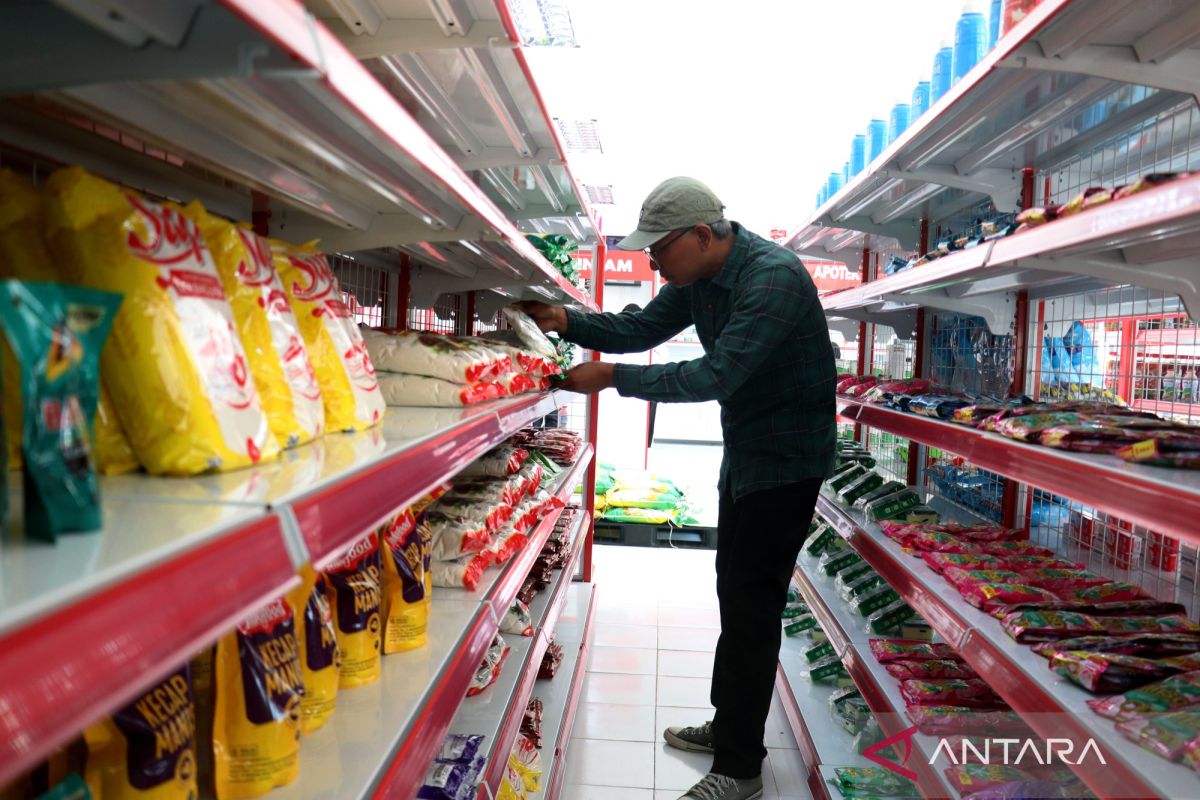
The idea behind Kopdes is to cut the long distribution chains involving middlemen. Therefore, its true success lies in reducing price disparities.
Jakarta (ANTARA) - An economist from the Centre of Reform on Economics (CORE) Indonesia, Dipo Satria Ramli, believes that the Merah Putih Village/Sub-district Cooperatives (Kopdes) need to prove they can shorten distribution chains and stabilise commodity prices at the village level as a measure of success during their initial operational phase.
This statement was made in response to the inauguration of approximately 1,000 Kopdes Merah Putih units in Central Java and East Java last month, as well as the government’s target to operate between 20,000 and 30,000 cooperatives by August 2026.
Speaking to ANTARA in Jakarta on Friday, Dipo stated that the effectiveness of Kopdes should not be measured by the number of cooperatives inaugurated or operational, but rather by the economic impact felt by the community.
He explained that one indicator used to assess the success of Kopdes is its ability to reduce price disparities at the local level. This aligns with the objective of establishing Kopdes, which is expected to shorten the distribution chain that has traditionally involved numerous intermediaries or middlemen.
“The indicator for the first few months… is the effect on local price stabilisation. Because the idea behind Kopdes is to cut the long distribution chain of middlemen. Therefore, its success is actually reflected in the reduction of price disparities,