
Economist: SPP-TDLN aims to close tax loopholes in foreign digital services
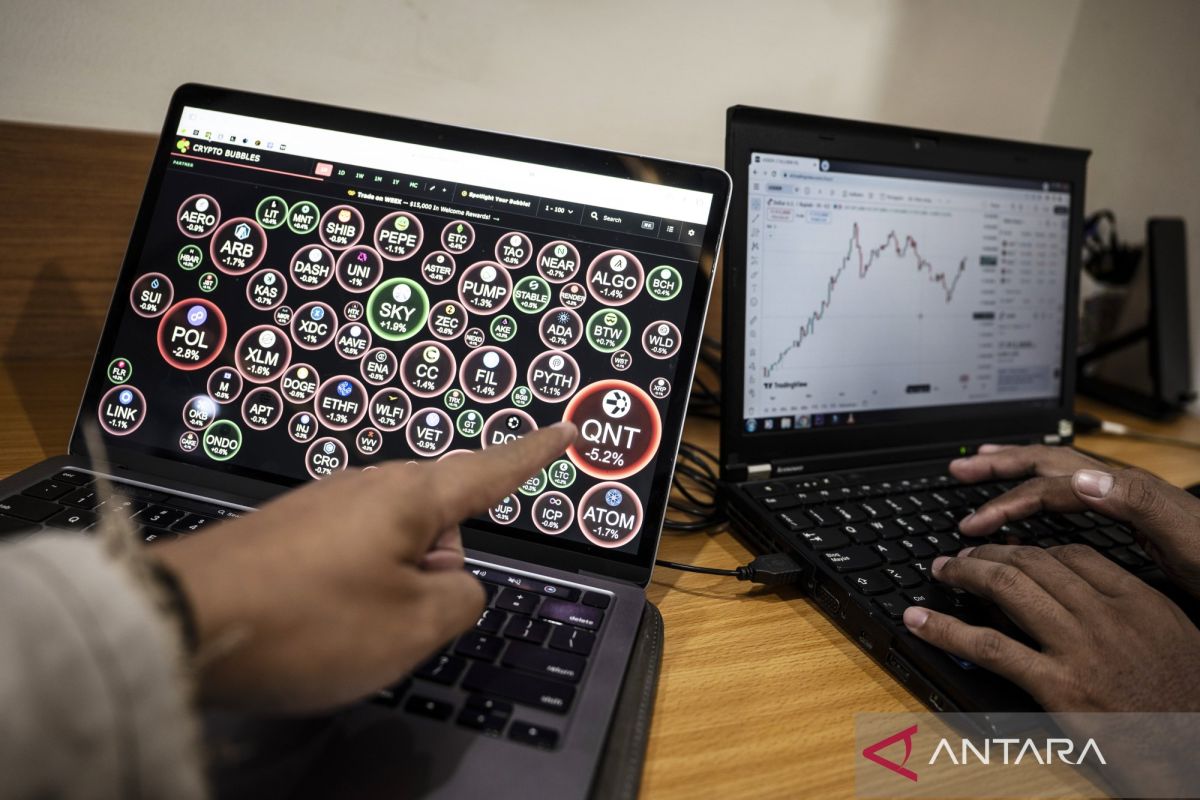
The Foreign Digital Transaction Tax Collection system (SPP-TDLN) does not close all digital tax loopholes, but it reaches transactions that have been difficult to collect until now.
Jakarta (ANTARA) - Yusuf Rendy Manilet, an economist from the Centre of Reform on Economics (CORE), believes that the SPP-TDLN system can expand the reach of Value Added Tax (VAT) collection. This primarily applies to transactions with small-scale foreign digital providers that have not been covered under the existing VAT scheme for Trade Through Electronic Systems (PMSE).
“SPP-TDLN does not close all digital tax loopholes, but this system reaches transactions that have been difficult to collect until now,” Yusuf said when contacted by ANTARA in Jakarta on Monday.
He noted that SPP-TDLN is not a new tax, as the applied VAT rate remains the same. The difference lies in the tax collection pathway.
So far, Yusuf stated, large platforms such as Netflix, Google, and Spotify have been collecting VAT directly from consumers. However, there are still small-scale foreign applications, software, subscription services, and digital services that have not entered this scheme.
Through SPP-TDLN, Yusuf explained that designated banks or payment institutions will inspect transactions when payment is made. If a transaction is a VAT object and the tax has not been collected through the PMSE scheme, the VAT will be collected before the funds are forwarded to the service provider.
He also opined that the additional state revenue from this mechanism could be quite significant, even though large-value transactions are generally already covered under PMSE. “The largest transactions are generally already covered under PMSE. SPP-TDLN focuses more on small and irregular transactions that previously escaped,” he said.
However, Yusuf added that the effectiveness of the system will depend on the ability to identify transactions accurately and the breadth of connected payment institutions. Loopholes may still emerge if payments shift to using foreign cards, foreign digital wallets, crypto assets, or other channels that are not yet covered.
From the consumer’s perspective, digital services that were previously not subject to VAT could potentially become more expensive. Meanwhile, services already subject to VAT through PMSE should not be taxed again.
“SPP-TDLN is more accurately described as a complement to PMSE. This system can reduce digital tax loopholes, but it will not eliminate them entirely. Its success will be determined by the ability to prevent double taxation, keep the payment process simple, and expand coverage without driving transactions toward more difficult-to-monitor channels,” he concluded.