
Economist: Prabowo's two speeches show increasingly clear economic direction
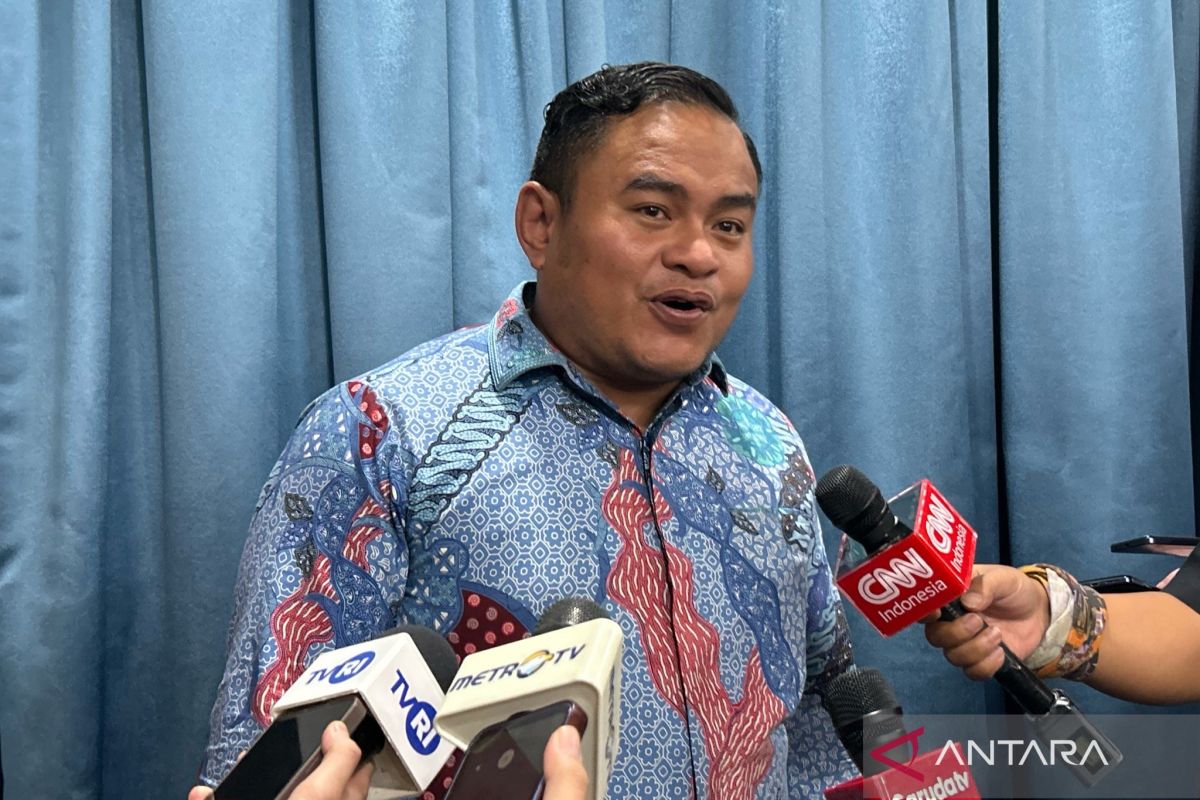
Trimegah Sekuritas Indonesia Chief Economist Fakhrul Fulvian views President Prabowo Subianto’s two speeches at the MPR Annual Session and the presentation of the 2027 State Budget Draft as showing an increasingly clear direction for Indonesia’s economic development over the next few years.
Whereas previously national economic discussions focused more on state budget management, macroeconomic stability, and standalone sectoral reforms, Fakhrul assessed that this year’s speeches demonstrated an effort to unite the nation’s various economic forces into a single greater goal: improving people’s welfare.
“In my opinion, this was a developmental state speech. Not because the state wants to be the main player in all economic activity, but because the government is trying to ensure all the resources this nation possesses can move together towards the same goal, namely higher growth, wider employment, and more equitable welfare,” Fakhrul said in a statement in Jakarta on Friday.
Fakhrul sees the President’s economic speech this year as an effort to build optimism and a clearer direction for the national economy. “If I had to summarise this speech in one sentence, I would say that the government is trying to ensure all of Indonesia’s economic strengths—government, business, capital markets, banking, state-owned enterprises, and society—can move together to create higher growth and broader welfare,” he explained.
Fakhrul assessed that the various initiatives mentioned in the President’s speech do not actually stand alone. These initiatives range from Danantara Sumberdaya Indonesia, the Danantara Development Management Fund, the Indonesia Financial Center, strategic commodity exchanges, bullion banks, to capital market reforms.
According to him, one interesting aspect of the President’s speech is that development is no longer placed solely on the state budget. He sees the government beginning to position the business world, capital markets, the financial system, state-owned enterprises, natural resources, and society as part of the same growth engine.
Therefore, according to Fakhrul, the important message emerging from this year’s speech is that economic development is no longer merely a matter of government spending, but how to create an environment where all economic actors have room to grow.
Furthermore, Fakhrul views one of the biggest tests of the development vision delivered by the President as the ability to restore business confidence. He cautioned that the experience of the first half of this year shows economic growth was relatively more supported by government activity, while the manufacturing sector and several other productive sectors still face pressure.
“The government can be a catalyst, but the government cannot be the sole engine of growth. Ultimately, the success of economic growth targets will be determined by how much the private sector reinvests, expands production capacity, and creates new jobs,” Fakhrul said.
Therefore, according to him, the various reforms announced must be translated into real improvements in the business climate. While appreciating the broad direction presented by the government, Fakhrul assessed that the market is still waiting for details regarding the implementation stages of these various agendas.
“The vision is increasingly clear. But investors and business actors usually do not only ask where we are going. They also want to know how to get there, what the priorities are, and how each policy will be translated into investment, jobs, and increased productivity,” Fakhrul said.
According to Fakhrul, the biggest challenge ahead for the Indonesian government is no longer formulating a development vision, but ensuring that vision can be translated into consistent and predictable policies.