
Economist: Nickel Downstreaming Must Be Balanced with Agricultural Export Strengthening
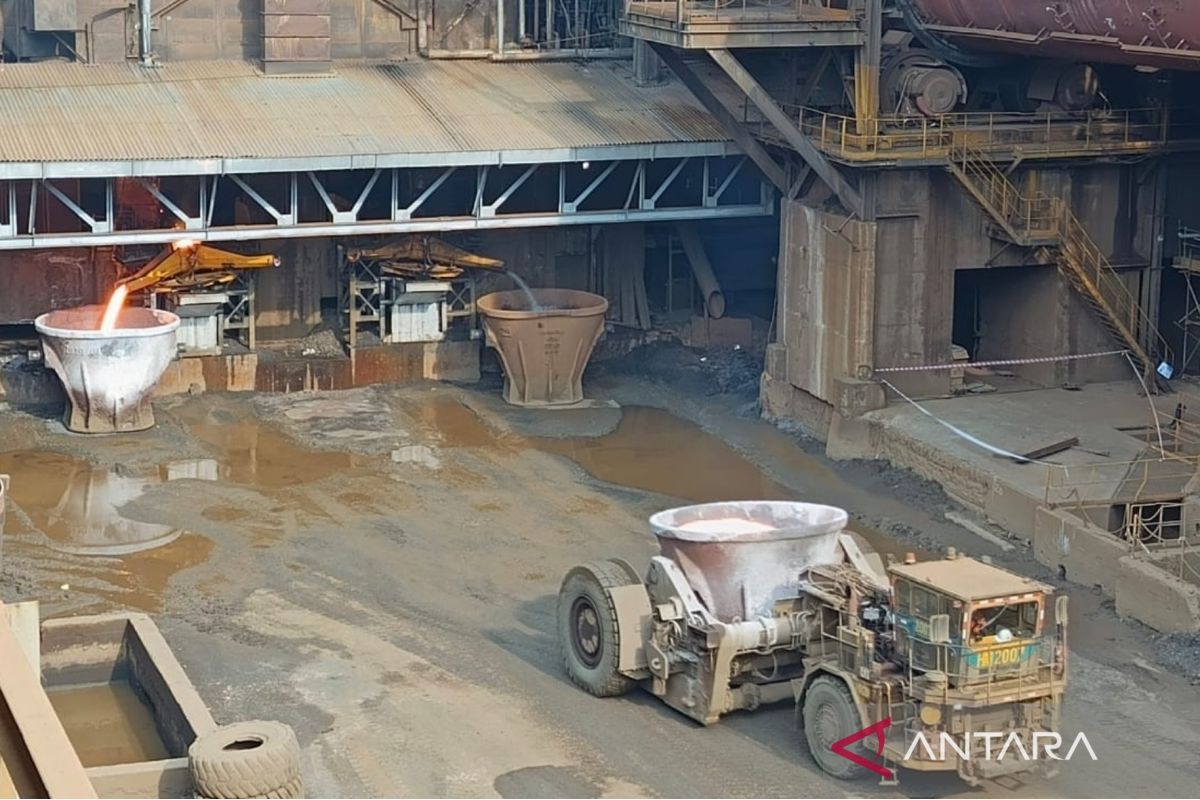
Economist Yusuf Rendy Manilet from the Center of Reform on Economics (CORE) Indonesia stated that the success of nickel downstreaming in driving exports from the processing industry needs to be balanced with the strengthening of the agricultural and fisheries sectors to diversify Indonesia’s export structure.
He noted that while nickel downstreaming has shown tangible results in increasing national export added value, dependence on a single commodity also creates concentration risk.
“If nickel prices on the global market weaken or world demand declines, Indonesia’s export performance could potentially be pressured,” he said when contacted by ANTARA in Jakarta on Monday.
Therefore, Yusuf assessed that the government needs to strengthen other sectors with export potential, particularly agriculture, fisheries, and forestry. Strengthening these sectors is considered important so that economic growth does not rely solely on mineral-based industries, but also provides broader benefits to the public.
“Thus, strengthening primary sectors such as agriculture, fisheries, and forestry remains important so that economic growth is more evenly distributed and has a wider impact on society,” he stated.
Data from Statistics Indonesia (BPS) shows that non-oil and gas exports from the processing industry in January–June 2026 increased by 7.37 percent compared to the same period the previous year, mainly driven by rising nickel exports. The export value of nickel commodities and related goods was recorded to have risen by 62.27 percent, or USD 2.51 billion, marking the highest increase among the top 10 non-oil and gas export commodities.
On the other hand, exports of agricultural, forestry, and fishery products fell by 22.55 percent compared to the first semester of 2025, due to declining coffee exports. Meanwhile, exports of mining and other products dropped by 5.12 percent, influenced among other things by a decrease in copper ore exports.
The dominance of the processing industry is also evident in Indonesia’s export structure for January–June 2026. BPS recorded that the processing industry sector contributed 82.02 percent to total exports, followed by the mining and other sectors at 11.71 percent, oil and gas at 4.43 percent, and agriculture, forestry, and fisheries at 1.84 percent.