
Economist: Indonesia's Financial Hub Needs Legal Certainty, Not Just Tax Breaks
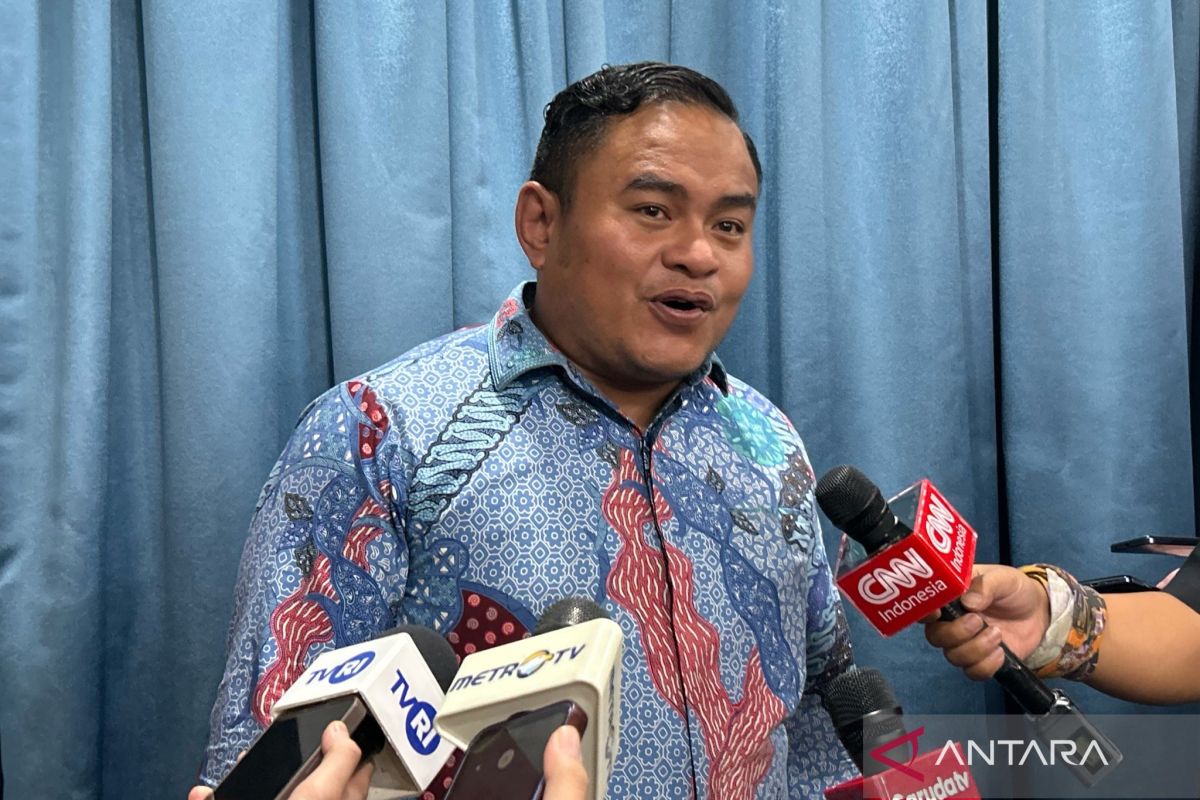
The success of the Indonesian International Financial Centre (PFII) requires legal certainty more than just tax incentives, according to the Head Economist of Trimegah Sekuritas Indonesia, Fakhrul Fulvian. “A financial centre is built on trust. Tax incentives are important, but they are never enough. What is more decisive is whether investors feel safe placing and rotating long-term funds in Indonesia,” Fakhrul stated in a written statement in Jakarta on Sunday. Fakhrul explained that global investors pay more attention to legal certainty, investor protection, ease of capital flow, regulatory quality, transaction settlement efficiency, and financial market depth. He therefore encouraged the government to prioritise strengthening regulations, ensuring tax certainty, improving ease of doing business, establishing credible dispute resolution, and developing foreign exchange financial instruments. From a development financing perspective, Fakhrul believes the PFII can serve as an alternative source of funding for national strategic projects, including long-term investment projects related to Danantara or the private sector. With deeper financial markets, he noted, development financing costs can become more efficient and sustainable. “The PFII can help broaden the development financing base. But the key is transparency, governance, and credible market mechanisms. The PFII must not become merely an administrative financing channel. It must become a trusted market,” he said. The facility includes ease of immigration, employment, residency, licensing, and taxation. Additionally, the government is proposing the establishment of a special PFII court to provide legal certainty for international business actors. This court will have the authority to examine, adjudicate, and decide disputes related to business activities within the PFII as well as international commercial disputes connected to the area.