
Economist: Indonesia’s Electric Vehicle Value Chain Shows Signs of Integration
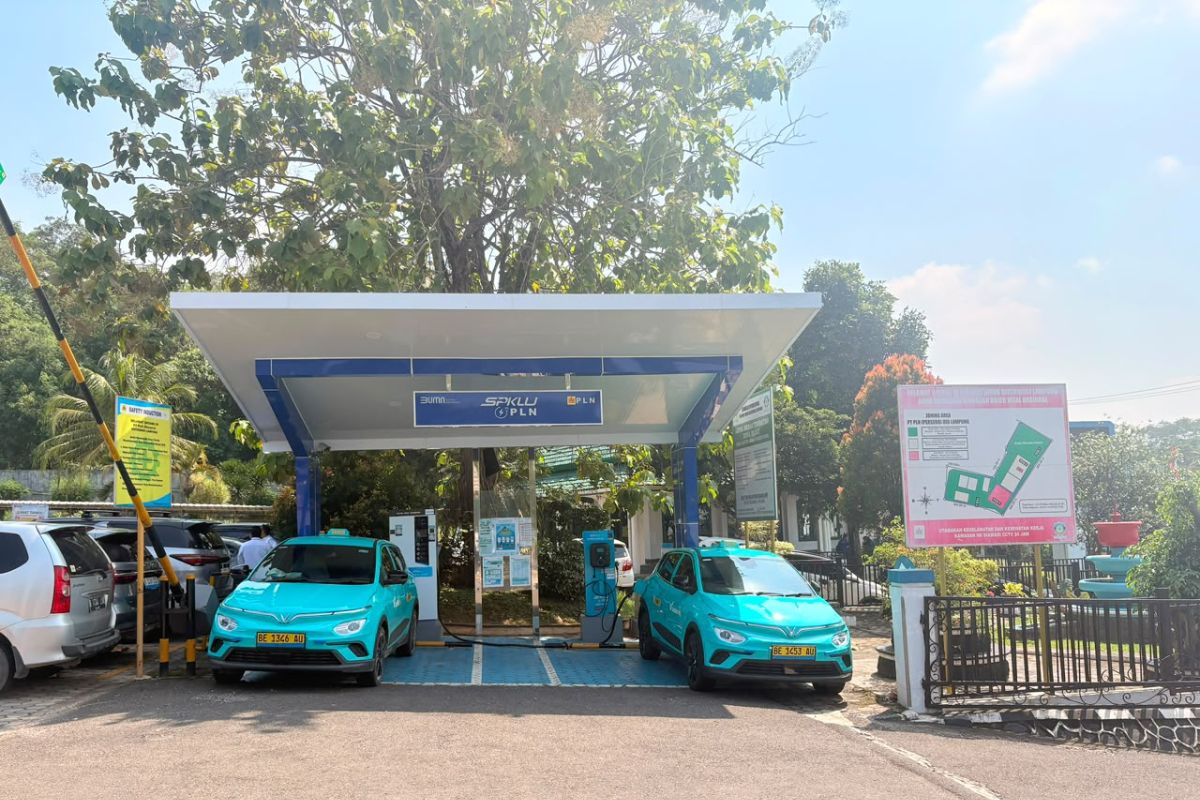
Sulawesi plays an important role in Indonesia’s mineral value chain.
Jakarta (ANTARA) – CORE Indonesia economist Mohammad Faisal said the development of Indonesia’s electric-vehicle value chain was beginning to show integration, from upstream activities to processing.
“Upstream, we have already reached a high level of maturity, while the midstream and downstream segments are still developing. But these can grow rapidly in the future, and their impact on regional economies will also become increasingly significant,” he said in an official statement in Jakarta on Monday.
Faisal said the transformation of the economic structure could be seen in Morowali and North Morowali in Central Sulawesi, which have experienced growth in mineral-processing industries over the past decade.
Whereas Morowali was once dominated by mining and agriculture, more than 75 per cent of its economy is now supported by industry, he said.
He said this structural change showed how processing industries could expand economic activity in areas that had previously relied more heavily on primary sectors. However, the benefits of downstream processing depend not only on increased production capacity, but also on the ability to build links with the local economy, develop the workforce and ensure sustainable industrial governance.
Several industry players are continuing to invest in nickel processing in Sulawesi. One is PT Vale Indonesia Tbk, part of the MIND ID Group, which is developing growth projects in Pomalaa (Kolaka, Southeast Sulawesi), Morowali and Sorowako (East Luwu, South Sulawesi) as part of its expansion of the nickel value chain.
The development includes facilities using High Pressure Acid Leach (HPAL) technology, designed to produce Mixed Hydroxide Precipitate (MHP), an intermediate product that can be used further along the battery-materials supply chain. Company information indicates that HPAL development is linked to the Pomalaa, Bahodopi and Sorowako Limonite projects.
Similar developments across industrial areas suggest that nickel downstream processing in Sulawesi is increasingly forming an ecosystem involving mining companies, mineral processors, technology providers, workers and a range of supporting economic activities.
For resource-producing regions, the next challenge is to ensure that industrial expansion generates broader economic benefits. Greater added value needs to go hand in hand with the development of local workers’ skills, participation by regional businesses, management of environmental impacts and the creation of economic activities that can endure over the long term.
“With its mineral reserves and growing processing capacity, Sulawesi has an important position in Indonesia’s mineral value chain. The sustainability of this transformation will be determined not only by the scale of investment and production, but also by the extent to which industrialisation creates added value that is connected to regional economic development and people’s welfare,” he said.
Source: jawawa.id (https://jawawa.id/newsitem/economist-indonesias-electric-vehicle-value-chain-shows-signs-of-integration-1791784479)
Originally published by Antara (Indonesian) (https://www.antaranews.com/berita/5781538/ekonom-rantai-nilai-kendaraan-listrik-di-ri-tunjukkan-integrasi), translated from Indonesian