
Economist: Indonesia Has Room to Maintain Stability Amid Global Uncertainty
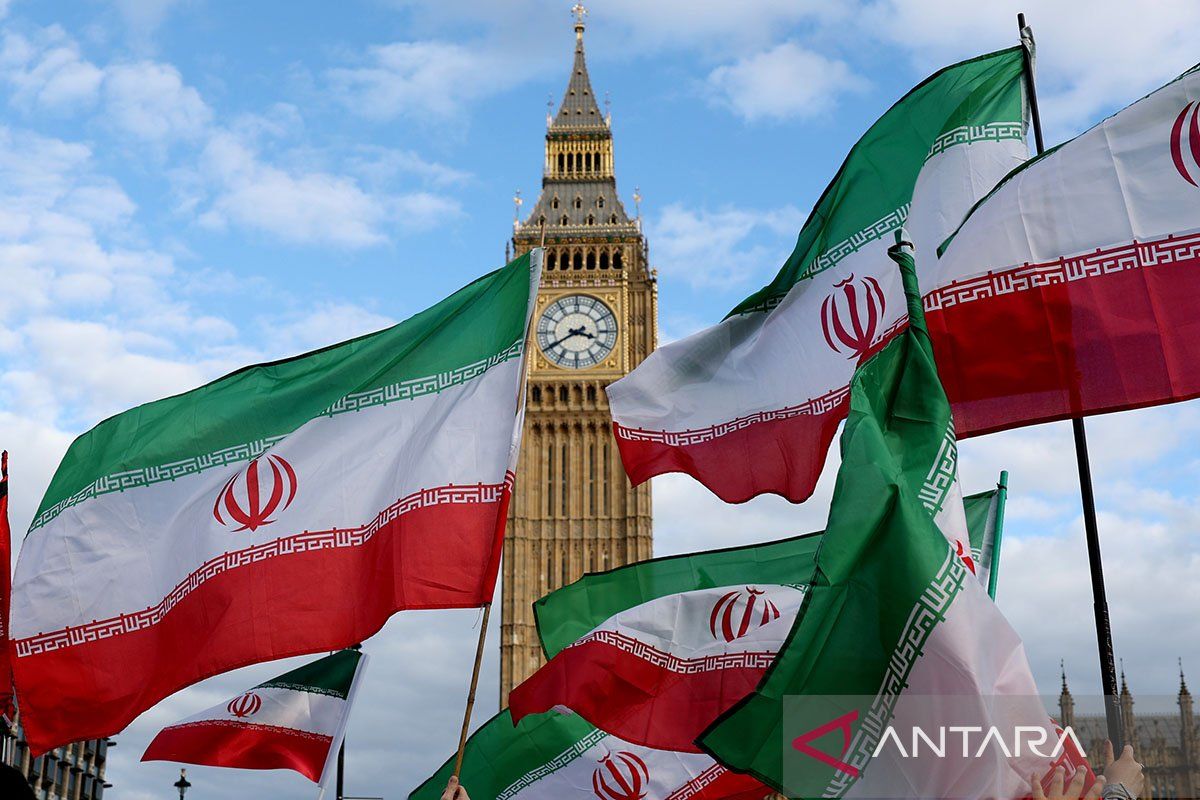
Economist from the Center of Reform on Economics (CORE) Yusuf Rendy Manilet stated that Indonesia still has room to maintain stability amid global uncertainties resulting from the US-Iran conflict. “The risks from this conflict are indeed real, but that does not mean they cannot be managed. The key lies in policy responses. As long as fiscal and monetary policies proceed in harmony and with credibility, we still have room to maintain stability amid this highly uncertain global situation,” he told ANTARA in Jakarta on Saturday. According to him, the most sensitive point is the disruption in the Strait of Hormuz, causing markets to react with rising oil prices and increased global uncertainty. The impact of this conflict is directly felt in Indonesia, which still imports oil, thereby increasing the burden of subsidies and pressuring the State Revenue and Expenditure Budget (APBN). If not anticipated, fiscal space will narrow further, and the risk of widening deficits remains. “Major programmes need to have their priorities reviewed again—which ones have a direct impact on the public and which can be postponed or adjusted. In addition, subsidies need to be even more targeted to avoid waste and truly protect the most vulnerable groups,” he explained. Looking at the impact on financial markets, investors tend to hold back on risks, thus pressuring the rupiah, weakening the stock market, and raising bond yields. In this context, the role of Bank Indonesia is said to be increasingly important. The policy interest rate can be used to maintain the attractiveness of domestic assets and dampen exchange rate pressures, although it must be calculated so as not to overly suppress growth. “In my view, what is most crucial is coordination. When fiscal policy demonstrates discipline through efficiency and sharpened spending, and monetary policy is responsive in maintaining stability, that will be viewed positively by the market. Investors see that our policies are directed and controlled,” Yusuf said. “Conversely, if fiscal policy expands without control while monetary policy has to withstand pressures alone, the market will usually be more reactive and volatility will increase,” he added.