
Economist: Gulf War a Momentum for Indonesia to Accelerate Energy Electrification
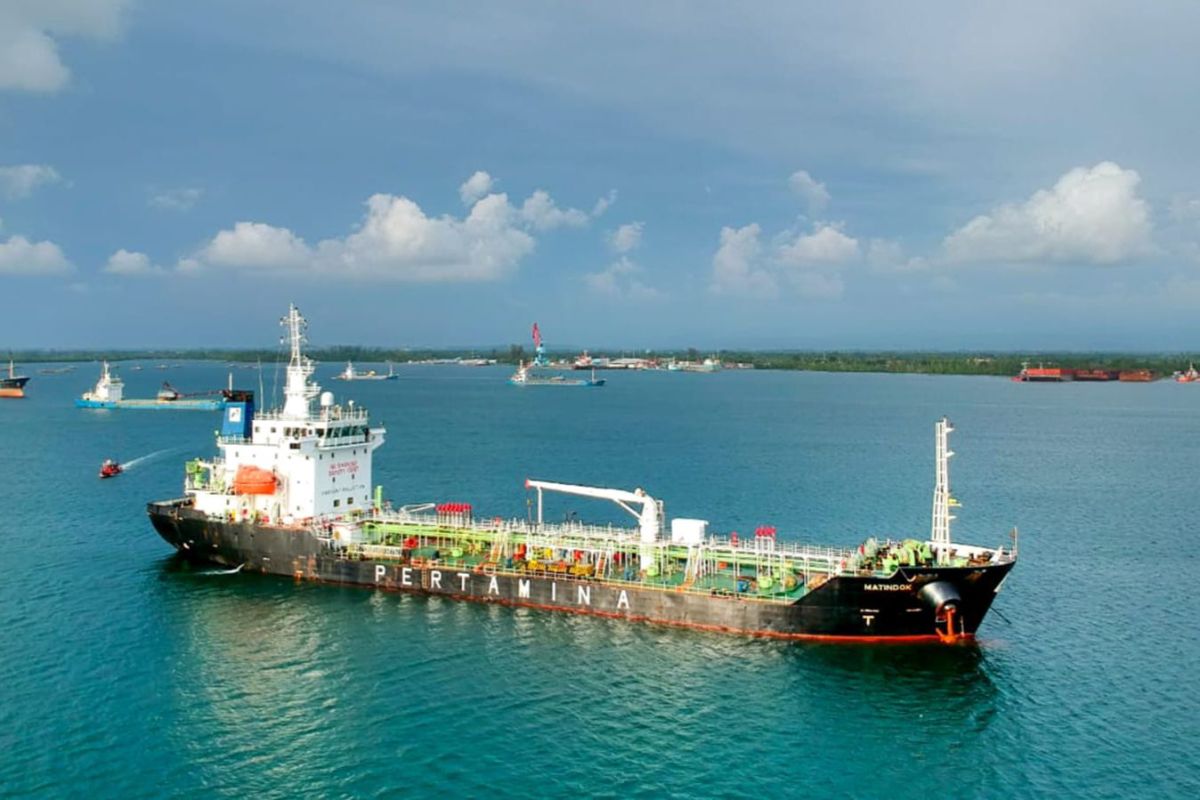
Disruptions to those routes are feared to impact Indonesia’s energy supply, which still relies on imports of oil and gas. Jakarta (ANTARA) - The armed conflict between Iran against the United States and Israel is considered a momentum for the Indonesian government to accelerate electrification policies and expand incentives for electricity-based energy to reduce dependence on imported fossil fuel imports. According to constitutional economist Defiyan Cori, the war in the Gulf region has the potential to disrupt global energy distribution routes, especially through the Strait of Hormuz, which is one of the world’s main oil shipping lanes. “Disruptions to those routes are feared to impact Indonesia’s energy supply, which still relies on imports of oil and gas,” he said in his statement in Jakarta on Wednesday. That situation, he continued, presents a challenge for the government in maintaining national energy resilience, especially amid the energy self-sufficiency target set by President Prabowo Subianto. Data shows that Indonesia’s energy subsidy allocations have continued to increase in recent years, reaching Rp131.5 trillion in 2021, up from Rp95.7 trillion in 2020. In 2022, the realisation of energy subsidies rose to Rp157.6 trillion and increased again to Rp159.6 trillion in 2023, with the largest portion for subsidies on imported fuel oil (BBM) and LPG. Meanwhile, in 2024, he continued, the energy subsidy allocation reached Rp203.4 trillion, with Rp114 trillion allocated for subsidies on 3-kilogram BBM and LPG. “In the 2026 Draft State Budget (RAPBN), the government has again allocated energy subsidies of Rp210.06 trillion, including Rp105.4 trillion for BBM and LPG subsidies,” said Defiyan. He stated that the large allocation of fossil-based energy subsidies needs to be evaluated, especially amid rising global geopolitical risks. According to him, the government can shift some of the imported BBM and LPG subsidies to electrification programmes, including electric stoves and electric vehicles. This programme is also aimed at increasing the electrification ratio in remote areas and supporting the development of the electric vehicle ecosystem. Defiyan said that this electrification policy needs to be supported by changes in energy subsidy patterns so that it does not only become a temporary response to geopolitical conflicts. He suggested that the government expand electrification incentives for the public, especially low-income groups, so that the energy transition process runs more quickly. “Socialisation and education for the public are also considered important to increase acceptance of the use of electric energy,” he said.