
Economist: Fuel Price Hike Mitigation Must Protect Vulnerable Groups
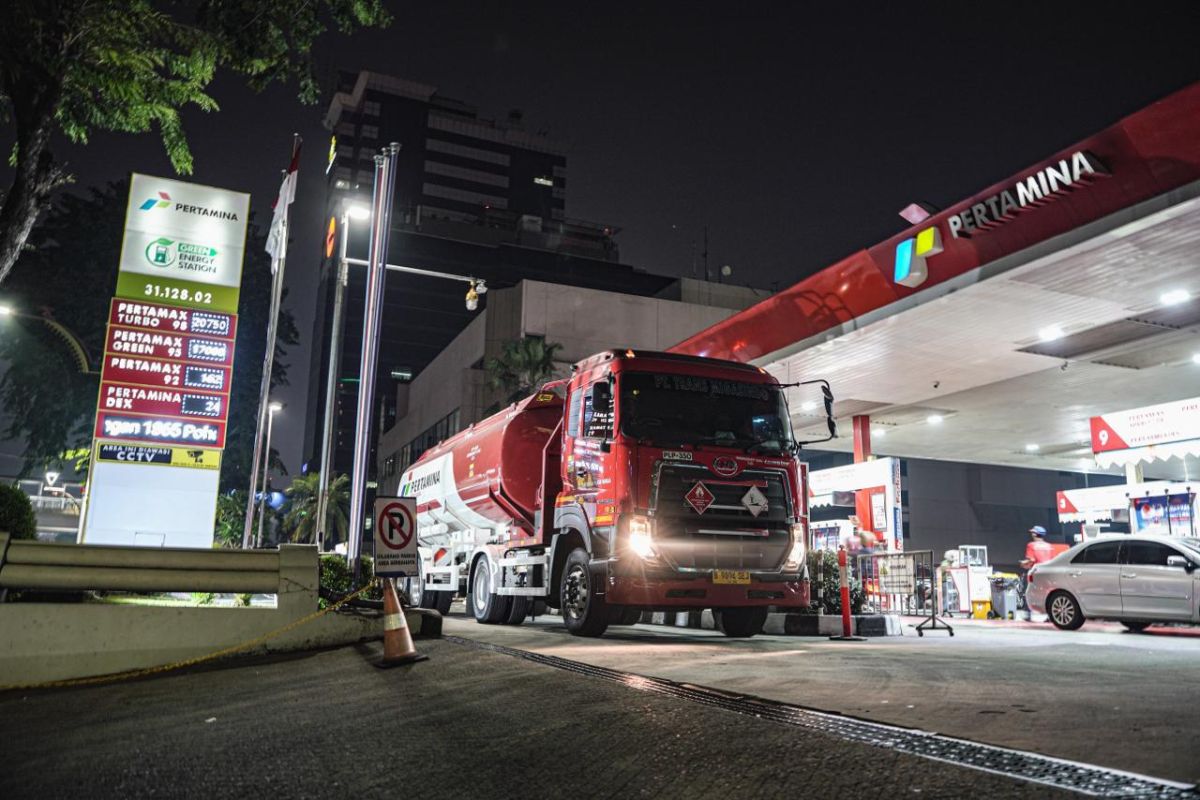
Jakarta (ANTARA) - Permata Bank Chief Economist Josua Pardede has stated that mitigation policies for the increase in non-subsidised Pertamax fuel prices must be directed towards protecting the purchasing power of vulnerable groups. Josua explained that Pertamax fuel is generally aimed at middle- to upper-class private vehicle users, so the direct impact on vulnerable groups is not as severe as it would be if Pertalite prices were raised. However, he noted that a significant price increase could still spill over into transportation costs, goods distribution, service tariffs, and food prices. “Therefore, the policy focus must be on maintaining the purchasing power of vulnerable groups and preventing the price increase from spreading to essential goods,” said Josua. He suggested the government strengthen targeted social assistance (bansos) for vulnerable households, informal workers, public transport drivers, small-scale fishermen, and micro, small, and medium enterprises (MSMEs) affected by rising transport costs. Assistance could be provided in the form of temporary cash transfers, food aid, or distribution cost support. Additionally, central and regional governments are advised to maintain food price stability by reinforcing food reserves, conducting market operations, facilitating inter-regional distribution, and subsidising food transport from surplus to deficit areas. This step is considered crucial given that low-income groups allocate a large portion of their spending to food. In the transport sector, the government is also recommended to provide temporary support for public transport, essential goods distribution, and small-scale logistics to prevent tariffs from rising too quickly. This policy should be evaluated periodically and granted only to eligible operators. At the same time, the government needs to tighten supervision of Pertalite usage to prevent a mass shift from non-subsidised to subsidised fuel. Strengthening vehicle data collection, limiting purchase volumes, and enhancing monitoring at petrol stations are deemed important to prevent subsidy leakage. The price gap between different fuel types must also be ensured not to become too extreme. The government is also urged to help MSMEs maintain production costs, for instance through low-interest working capital financing, temporary deferral of burdensome local levies, digital marketing assistance, and distribution subsidies for food and essential commodities. “However, MSME assistance must be selective so that it does not become wasteful or miss its target,” he added. In the medium term, energy subsidy reform is recommended to shift from commodity-based subsidies to beneficiary-based subsidies. This policy should be accompanied by improvements in public transportation, development of energy-efficient vehicles, and increased energy efficiency to reduce public dependence on fuel.