
Economist: Foreign Investment Should Be Prioritised for Well-Governed Pension Funds
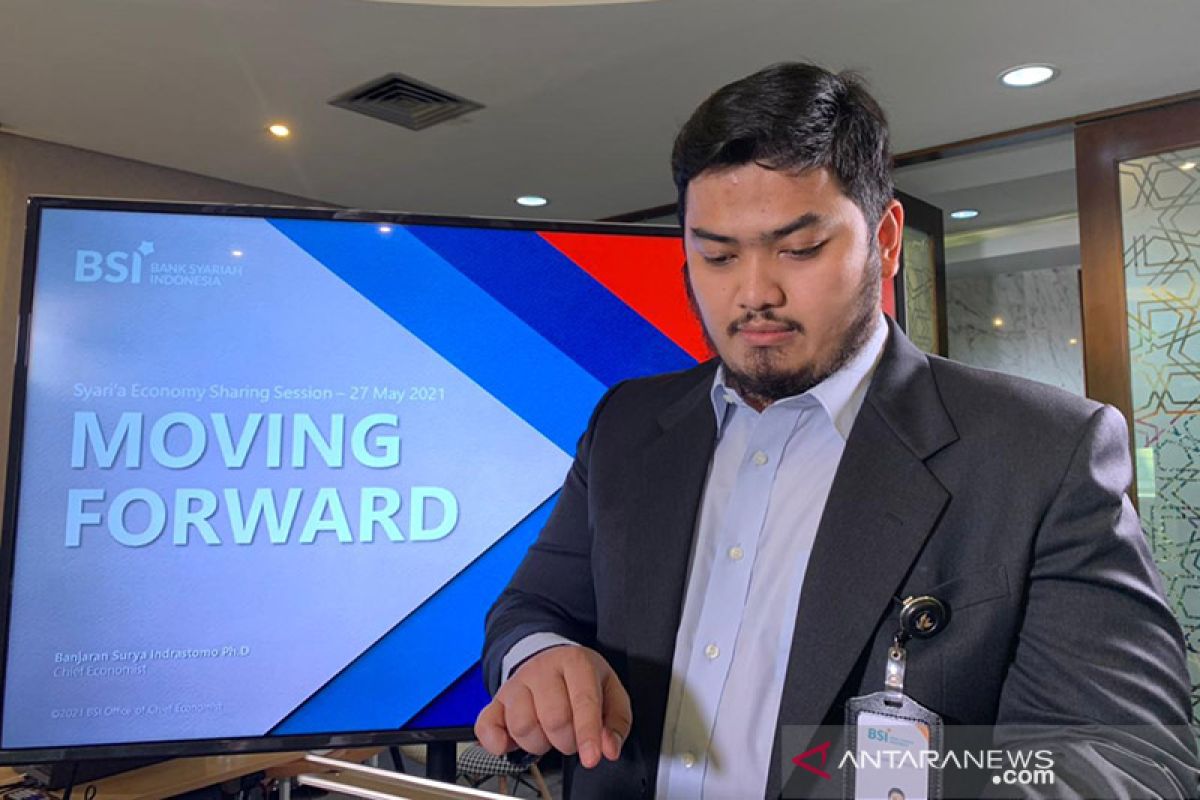
Only pension funds with strong governance and risk management should be given priority access to overseas investment instruments, as these types of investments carry significant risks. This approach is necessary because investment capacity and governance remain critical, learning from the experience of numerous pension funds that have been dissolved since 2020 due to investment-related issues.
Overseas investment requires expertise, global custodians, daily valuations, and transparency from all related parties. Therefore, access should be granted first to pension funds with robust governance and risk management, and monitoring through the OJK’s PRIME system must encompass foreign assets, said Banjaran when contacted in Jakarta on Tuesday.
Furthermore, he highlighted other risks, such as exchange rates, which are considered the most significant. Since pension fund liabilities are in Rupiah, he noted that hedging policies and clear foreign exchange exposure limits are essential. Other risks include market risks such as global market valuations and high global interest rates; country risks involving geopolitical volatility, sanctions, capital restrictions, and legal differences during disputes or bankruptcy; as well as liquidity and cost risks.
Generally, Banjaran views the OJK’s plan to expand investment placement by opening overseas instruments to pension funds as a positive and reasonable step, provided it is implemented gradually and cautiously. Based on the draft amendment to OJK Regulation (POJK) Number 27 of 2023, permitted instruments would include foreign government securities, multinational securities where Indonesia is a member or shareholder, corporate bonds listed on stock exchanges, listed equities, mutual funds, and/or direct participation in unlisted companies.
The draft regulation will also impose certain limits, including a maximum of 20 per cent of total investment and a maximum of 5 per cent for direct participation. Additionally, an international investment grade rating will be required. Banjaran assessed that these maximum placement limits and investment grade requirements serve as appropriate safeguards.
He believes that opening up to overseas instruments can reduce concentration risk. As of July 2022, the portfolio of voluntary pension funds, which reached Rp391 trillion, was entirely placed domestically, comprising 40.2 per cent Government Securities (SBN), 23.8 per cent deposits, 14.7 per cent corporate bonds, and 4.6 per cent equities.
“When the domestic market is under pressure, there is no counterbalance. This year, the IDX Composite has declined by approximately 29 per cent since the start of 2026 (from 8,647 to 6,135), and the ROI for pension funds (including market value differences) from January–July 2026 was only 0.95 per cent, significantly lower than the 4.22 per cent recorded during the same period in 2025,” Banjaran explained.
Additionally, another benefit for the industry is a wider range of instrument options, including sectors that are almost unavailable on the domestic exchange, such as global technology and healthcare. On the other hand, the plan for investment expansion is also seen as beneficial to the economy. In the long term, healthier pension funds will strengthen old-age protection for participants and turn them into more stable long-term investors. Furthermore, the impact of capital outflows is expected to be relatively limited.
“If all voluntary pension funds utilised the 20 per cent limit, the value would be around Rp78 trillion or approximately 4.4 billion USD, which is about 3 per cent of foreign exchange reserves (146.5 billion USD as of August 2026). In practice, the absorption will be gradual and far below that figure,” said Banjaran.
It was previously reported that the OJK Executive Head of Insurance, Guarantee, and Pension Fund Supervision, Ogi Prastomiyono, stated that the policy for overseas investment placement for pension funds is implemented as an alternative when domestic investment instruments are deemed inadequate.
“Why are we allowing overseas investment? This is a contingency measure in case domestic investment alternatives are unavailable or fail to provide sufficient returns, but we are doing this very strictly. It is not a free-for-all to invest abroad,” Oly said during a press conference at the Indonesia Pension Fund Summit (IPFS) 2026 in Jakarta on Friday (25/9).
Nevertheless, Ogi ensured that supervision of pension fund investments will be a primary focus, given the various investment issues in the past that have frequently become concerns in the administration of pension fund programmes.
Source: jawawa.id (https://jawawa.id/newsitem/economist-foreign-investment-should-be-prioritised-for-well-governed-pension-funds-1790693954)
Originally published by Antara (Indonesian) (https://www.antaranews.com/berita/5763832/ekonom-investasi-ln-bisa-didahulukan-bagi-dapen-bertata-kelola-baik), translated from Indonesian