
Economist Explains How the 10% Oil and Gas Participating Interest Works
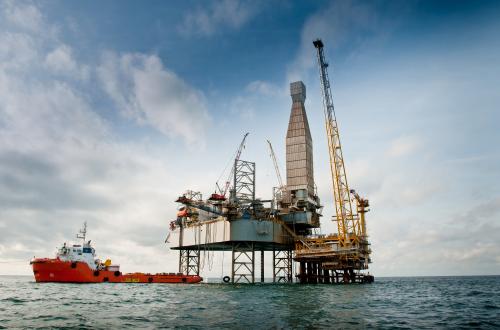
The 10% participating interest (PI) scheme in the upstream oil and gas sector is often misunderstood as funds directly received by regional governments. In reality, the PI 10% is a business ownership right aimed at aligning the interests of cooperation contract contractors (KKKS) with regional governments in oil and gas producing areas.
Senior economist from the University of Riau, Dahlan Tampubolon, stated that this understanding needs to be corrected because the scheme is neither a grant nor a revenue-sharing fund (DBH) that goes directly into the regional budget (APBD). “Under the latest regulation, Minister of Energy and Mineral Resources Regulation Number 1 of 2025, regional governments have a moral responsibility to assist with licensing and minimise transaction costs arising from field conflicts,” Dahlan said on Sunday (26/7/2026).
According to Dahlan, the 10% PI is a maximum 10% business participation right in upstream oil and gas cooperation contracts, as regulated by Minister of Energy and Mineral Resources Regulation Number 37 of 2016, which was amended by Regulation Number 1 of 2025. He cited a common misperception regarding the PI value in Riau. “If someone says Rp3.5 trillion is money for Riau, that is fundamentally wrong. That figure is the gross production right, not the net profit ready to be distributed. If it is directly equated, it creates false expectations among the public,” he said.
Dahlan explained that the PI 10% scheme provides economic involvement through capital ownership by regionally owned enterprises (BUMD). This allows regions not only to be recipients of fiscal transfers but also to act as business players in the upstream oil and gas sector. This involvement is expected to encourage BUMDs to build capacity and experience in the oil and gas industry while creating productive assets that can generate dividends for the region.
“It should not be spent immediately on short-term consumptive spending. The 10% PI is a strategic investment instrument to achieve sustainable fiscal independence. It is not ‘surprise money’ to be used up all at once,” he stated. Dahlan emphasised that the funds received by BUMDs from the 10% PI are corporate income that must still be reduced by operational costs, financing obligations to the operator, taxes, and company reserves. Only after becoming net profit can the funds be distributed to the regional government through dividends, based on the decision of the general meeting of shareholders or the proxy of the capital owner, before entering the regional budget. He noted that this mechanism differs from the oil and gas revenue-sharing funds (DBH Migas), which are fiscal transfers from the central government to regional governments as regulated in Law Number 1 of 2022 and Government Regulation Number 37 of 2023.
Source: jawawa.id (https://jawawa.id/newsitem/economist-explains-how-the-10-oil-and-gas-participating-interest-works-1785111612)
Originally published by Republika (https://ekonomi.republika.co.id/berita/tiscsr416/ekonom-jelaskan-cara-kerja-pi-10-persen-migas), translated from Indonesian