
Economist: Expanding the tax base is key to boosting Indonesia's revenue ratio
Although the Indonesian economy is growing steadily, the efficiency of harvesting the proceeds from that growth still faces major obstacles.
Jakarta (ANTARA) – Professor of Economics at Airlangga University Rahma Gafmi regards expanding the tax base and modernising administration as the key to boosting Indonesia’s revenue ratio so that it can catch up with peers such as Mexico or the Philippines, as highlighted by President Prabowo Subianto in the Macro-Economic Framework and Fiscal Policy Outlook for 2027 (KEM-PPKF 2027).
“The root of the problem is structural and multidimensional: the low Indonesian revenue ratio (particularly the tax ratio) compared with peers like Mexico or the Philippines. Although the Indonesian economy is growing steadily, the efficiency of harvesting revenue from that growth still faces major obstacles,” Rahma said in a phone interview from Jakarta on Thursday.
Rahma explained that one of the main obstacles comes from the large informal sector or shadow economy, which is estimated to account for 20-30 percent of GDP.
This condition makes many economic activities hard to bring into the tax system because transactions are still cash-based and poorly documented.
She noted that Indonesia’s revenue structure remains dependent on commodity sectors such as oil, gas, and mining, making state revenue vulnerable to global price fluctuations. When commodity prices rise, revenue is boosted; when prices fall, it weakens.
On the other hand, she argued that the large tax expenditure also narrows the tax base. Various incentives such as tax holidays, tax allowances, and VAT exemptions on certain goods and services aim to protect investment and purchasing power, but they also reduce potential government revenue.
Therefore, expanding the tax base and modernising tax administration are the most important steps to raise Indonesia’s revenue ratio.
A full implementation of the Core Tax System is seen as capable of strengthening cross-agency data integration, increasing oversight, and detecting non-compliance more accurately and in real time.
In addition, Rahma urged accelerating the formalisation of the informal sector through expansion of non-cash transactions and easier access to financing for MSMEs registered in the tax system. According to her, these steps could broaden the tax base without excessively burdening people through tax-rate hikes.
“If Indonesia can formalise just 10-15 percent of its informal sector, the tax ratio could easily rise by 1-2 percentage points of GDP without needing to raise tax rates that burden purchasing power,” Rahma said.
Similarly, Yusuf Rendy Manilet, an economist at the Center for Reform on Economics (CORE), also views Indonesia’s relatively low revenue ratio compared with several peers as a structural issue, especially the narrow tax base due to the large informal sector.
In addition, compliance and tax administration problems remain challenges, ranging from underpayment and tax evasion to weak oversight in several strategic sectors.
“So the issue is not simply about low tax rates, but rather how broad the tax base is and how effectively the state captures economic activity that is already taking place,” Yusuf said.
Therefore, he regards the main strategy to raise the revenue ratio as not through higher tax rates but through widening the tax base via formalisation of the economy and strengthening tax administration.
“The government needs to bring more economic activity into the formal system by leveraging digitisation and data integration so that monitoring of transactions is more complete. Peer countries with higher revenue ratios generally succeed not because their tax rates are much higher, but because their administrations are more effective and their tax bases wider,” Yusuf said.
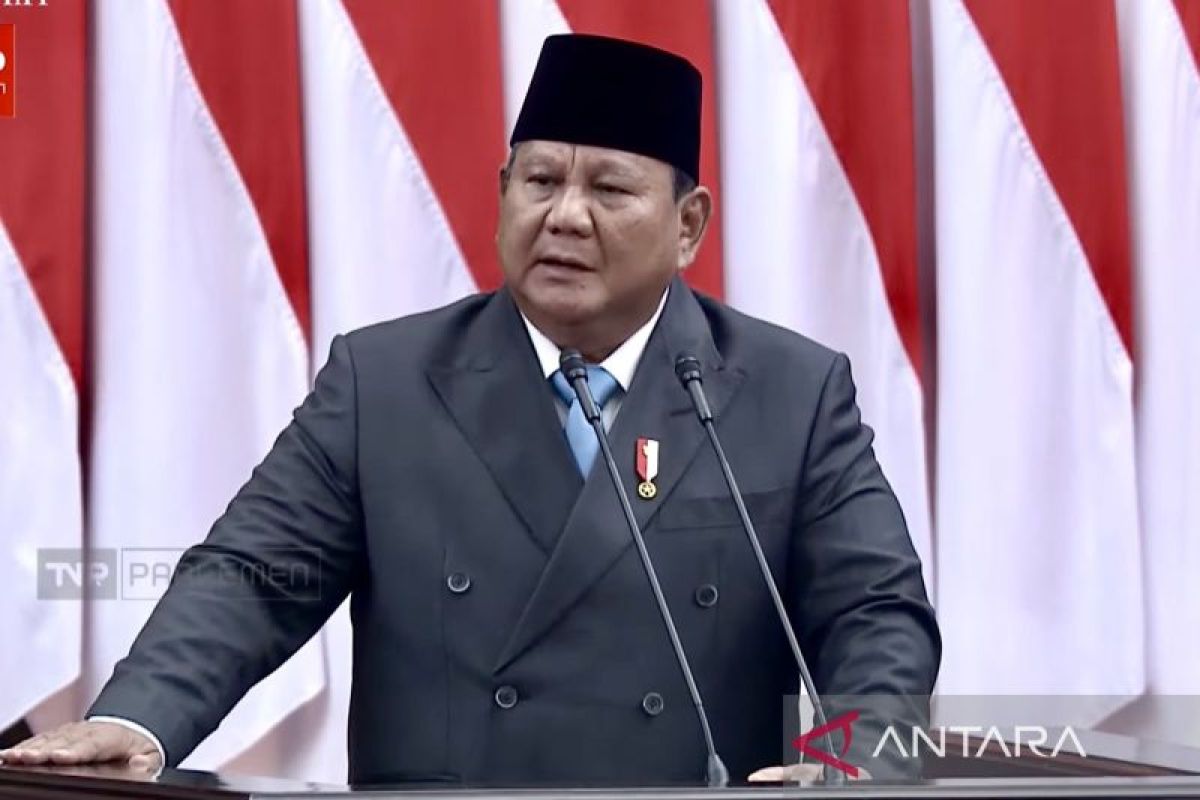
Earlier on Wednesday (20 May), President Prabowo, in his address on the Macro-Economic Framework and the Policy Objectives for Fiscal Policy (KEM-PPKF) 2027, noted that Indonesia’s revenue ratio remains low, around 11-12 percent of GDP, compared with other developing countries such as Mexico, the Philippines, India, and Cambodia.
He urged all parties to introspect on the causes of Indonesia’s revenue performance not being optimal, despite its large economic potential. The President contended that the root issues should be sought so that national economic management can achieve a more optimal revenue ratio.
Source: jawawa.id (https://jawawa.id/newsitem/economist-expanding-the-tax-base-is-key-to-boosting-indonesias-revenue-ratio-1779542670)
Originally published by Antara (Indonesian) (https://www.antaranews.com/berita/5576548/ekonom-perluasan-basis-pajak-kunci-dongkrak-rasio-penerimaan-ri), translated from Indonesian