
Economist: Electric Vehicle Stimulus Must Be Paired with Industrial Productivity Boost
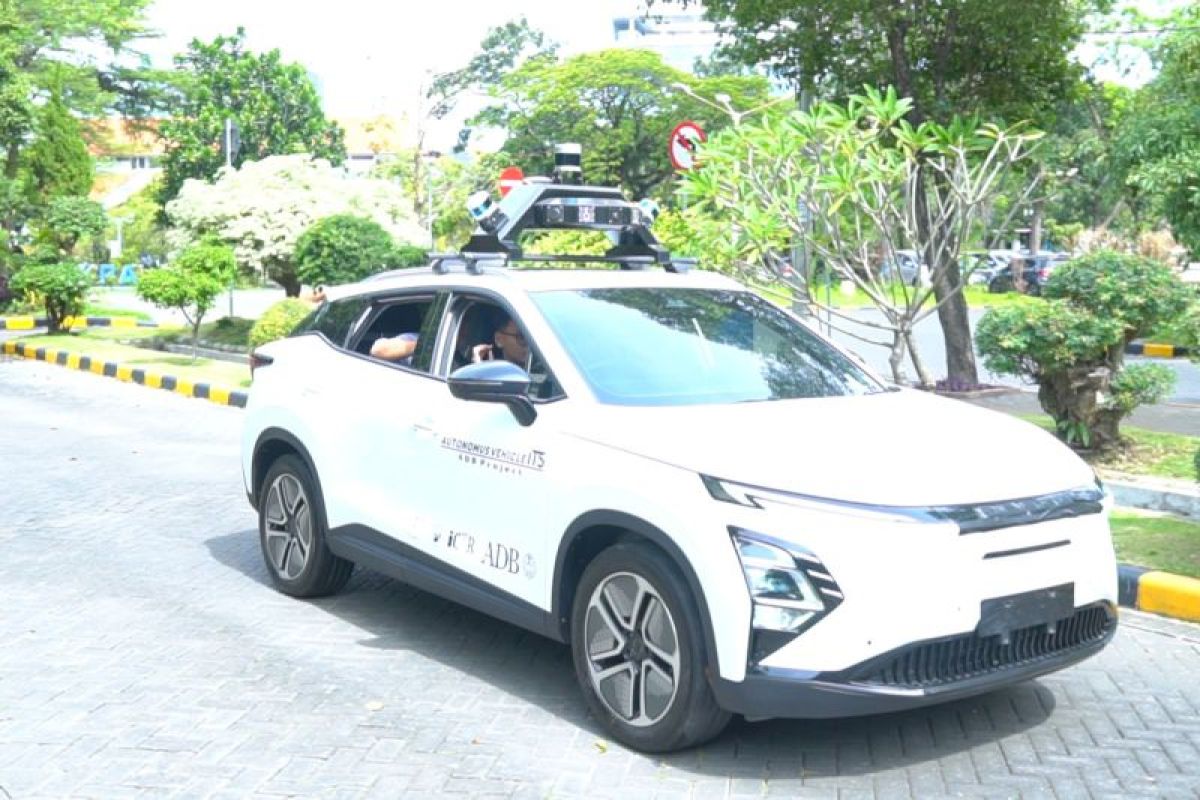
This policy could become a positive catalyst for economic growth in the current quarter.
Jakarta (ANTARA) - Adhitya Wardhono, an economist at the University of Jember (Unej), believes the new stimulus package intended to strengthen the battery-based electric motor vehicle (KBLBB) ecosystem must be accompanied by efforts to boost national industrial productivity.
He said the policy could serve as momentum to sustain economic growth in the second half of 2026 while accelerating the development of the national electric vehicle industry.
“This policy could become a positive catalyst for economic growth this quarter. In the short term, incentives can drive vehicle sales and investment in the supporting ecosystem. However, because the form, size, targets and mechanisms of the stimulus are still being evaluated, its effectiveness cannot yet be ascertained,” Adhitya told ANTARA in Jakarta on Tuesday.
He said the benefits of the stimulus would be more optimal if accompanied by policies that strengthen the productivity of domestic industry, for example by accelerating the development of the components industry, batteries, charging infrastructure and improvements in human resource quality.
In this way, rising demand for electric vehicles could be followed by increased national production capacity and the creation of added value domestically.
He also sees Indonesia’s opportunity to develop into an electric vehicle production base in the region as wide open. According to him, incentives could drive the formation of a national supply chain if accompanied by industrial deepening policies.
“The government must link every incentive to clear stages of industrial deepening, starting from the use of local suppliers, battery and key component production, through to technology development. Without such requirements, rising sales could actually risk increasing component imports and turning Indonesia into nothing more than an assembly market,” he said.
He added that the national electric vehicle industry currently still relies on mineral processing and final assembly. Meanwhile, mastery of high value-added sectors, such as battery materials, electronic devices and software, still needs to be strengthened.
On the demand side, Adhitya assessed that the stimulus also has the potential to improve public access to electric vehicles, particularly for prospective consumers who have so far hesitated over price considerations.
However, he noted that for low-income groups, the issue is not only vehicle prices but also the ability to pay instalments and the availability of charging facilities. Therefore, the stimulus should not focus solely on private electric cars.
He suggested the government allocate a larger share of incentives to vehicles with broader economic impact, such as electric motorbikes, public transport and operational vehicles for micro, small and medium enterprises (MSMEs).
According to him, this approach would make the benefits of the stimulus more inclusive while accelerating the transition towards a sustainable national electric vehicle ecosystem.
Source: jawawa.id (https://jawawa.id/newsitem/economist-electric-vehicle-stimulus-must-be-paired-with-industrial-productivity-boost-1785841109)
Originally published by Antara (Indonesian) (https://www.antaranews.com/berita/5679507/ekonom-stimulus-kblbb-perlu-dibarengi-produktivitas-industri), translated from Indonesian