
Economist: DSI Could Strengthen Rupiah Exchange Rate
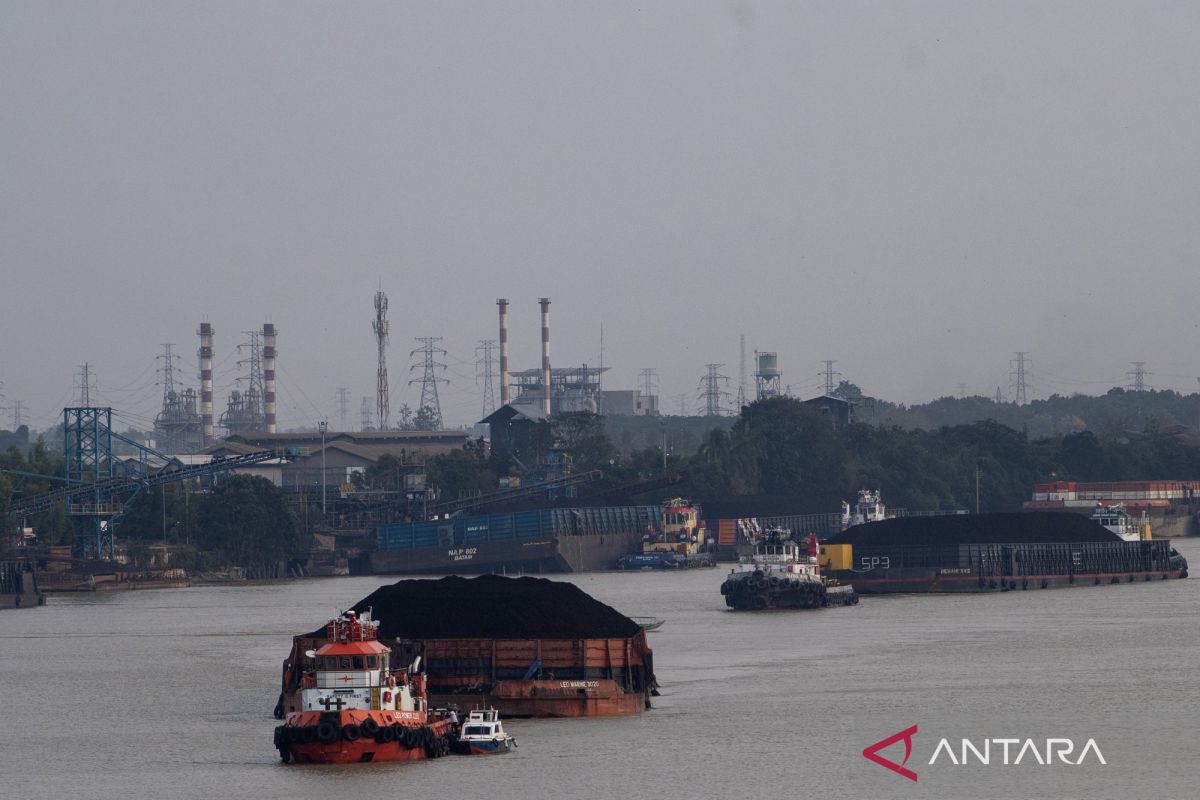
Bank Danamon economist Hosianna Situmorang assesses that Danantara Sumber Daya Indonesia (DSI) has the potential to have a direct impact on strengthening and stabilising the rupiah exchange rate if this policy is able to increase export retention or retention of foreign exchange from export proceeds (DHE).
“DSI can have a more direct impact on the rupiah exchange rate if this policy succeeds in increasing the retention or storage of export proceeds domestically,” Hosianna said in a statement in Jakarta on Friday.
President Prabowo Subianto, in his State Address as part of the 2026 Annual Session of the People’s Consultative Assembly (MPR RI) and the Joint Session of the House of Representatives (DPR RI) and the Regional Representatives Council (DPD RI) at the Nusantara Building in Jakarta on Friday, clarified DSI’s role in improving the transparency of export transactions, pricing and export proceeds, aimed at reducing leakages caused by practices such as under-invoicing and transfer pricing.
Since operations began on 1 June, export proceeds worth around USD 14 billion from coal, palm oil and ferro alloy have come under DSI’s management and supervision.
The government also plans to expand the scope of supervision over strategic commodity exports and extend its reach to 50 ports in 25 provinces.
Hosianna believes that for this role to be implemented properly, DSI needs to tighten its transparency.
“Better transparency and reduced foreign exchange leakages can increase the availability of foreign currency in the domestic market. However, the headline figure of USD 14 billion should not be interpreted as an equivalent increase in domestic foreign currency supply, because the final impact on the currency depends on the amount of additional retention and conversion that occurs,” she explained.
“In addition, policy clarity is also important to ensure that stricter supervision does not increase transaction costs for exporters or hinder private investment,” she added.
Besides highlighting Danantara’s major role through DSI, President Prabowo also emphasised the restructuring of state-owned enterprises (SOEs) aimed at reducing recurring fixed operational costs (overhead) and improving returns on state assets, while expecting a much larger dividend contribution from SOEs.
This policy direction is considered to have a positive impact on fiscal efficiency, although the ultimate fiscal benefit will depend on whether the savings and increased dividends are sustainable and able to reduce the need for future state capital injections.
“Greater efficiency and larger dividends can provide additional resources for priority spending, but the value is relatively small compared with overall government spending and financing needs,” Hosianna said.
“Therefore, revenue performance, spending commitments and rising debt service costs remain the main determining factors for Indonesia’s fiscal capacity in the medium term,” she added.