
Economist: Downstreaming Must Be Deepened into Derivative Industries
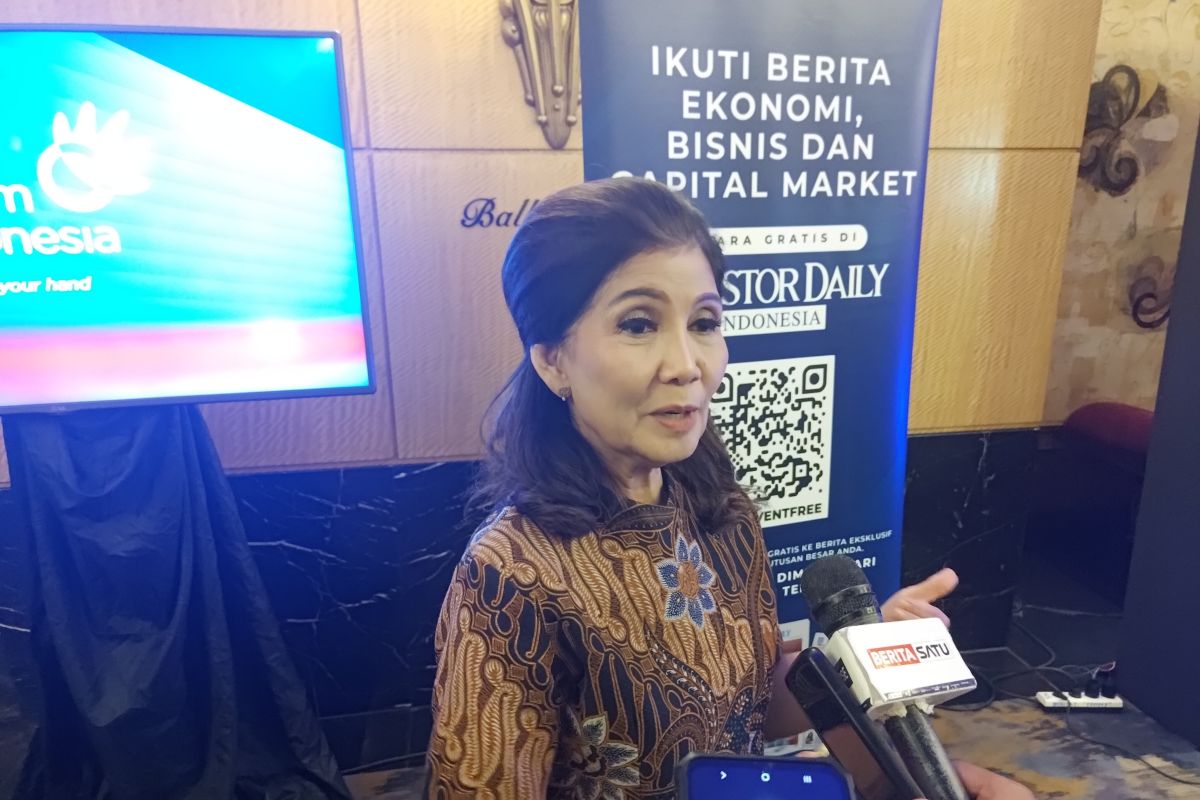
Senior Economist at Institute for Development of Economics and Finance (Indef) Aviliani said the downstreaming program needs to be directed further into derivative industries to increase Indonesia’s commodity value addition. ‘The largest value addition is not in mining, but in downstream industries,’ Aviliani stated in Jakarta on Tuesday. According to her, downstreaming must penetrate deeper into the value chain, such as advanced manufacturing, petrochemicals, green industry, batteries, mineral derivative industries, and the downstream industrial ecosystem. Processed mineral products have 10 to 20 times higher value addition compared to raw materials. Aviliani noted Indonesia has a strong momentum to strengthen downstreaming due to controlling around 60% of global nickel production. Moreover, the government aims for Rp3.8 trillion in downstreaming investments for priority commodities including nickel, copper, bauxite, and tin. However, Aviliani cautioned that downstreaming requires support from infrastructure readiness, energy, technology, human resources, and market certainty. ‘Provide a conducive climate for the private sector as it will support economic growth through investment,’ she said. Without such support, downstreaming risks stopping at the refining stage and failing to generate optimal value addition for the national economy. The risk to avoid is being trapped in resource nationalism without industrial deepening. This means strengthening value addition is not enough by merely processing raw materials; it must also build advanced industries capable of absorbing technology, creating quality jobs, and enhancing national competitiveness. Aviliani believes the ultimate goal of downstreaming should be to build a manufacturing base, improve technology transfer, strengthen value-added exports, and create quality employment. The Central Statistics Agency (BPS) previously recorded a 5.04% annual growth in the manufacturing sector in the first quarter of 2026. During the same period, the machinery and equipment subsector grew 21.93%, while the computer, electronics, and optics industry grew 10.35%. The data shows room for strengthening derivative industries if downstreaming is directed to deepen the national manufacturing structure. According to Aviliani, global uncertainty momentum can be leveraged to strengthen domestic industrial structure so Indonesia benefits more when external pressures ease. ‘This momentum is actually a domestic consolidation opportunity. When the global conflict ends, we will reap the benefits,’ she said. She believes upgraded downstreaming can strengthen economic growth, increase value-added exports, and reduce reliance on raw commodities. Meanwhile, the government continues to accelerate downstreaming as a strategy to boost natural resource value addition and strengthen the national industrial structure. The Ministry of Investment previously targeted over Rp3.8 trillion in investments by 2030 for downstream industries from 15 priority commodities, including nickel, copper, bauxite, and steel. The government also promotes critical mineral downstreaming to support energy transition and strengthen global industrial supply chains. Additionally, the government through Danantara is accelerating several strategic downstreaming projects in 2026, including nickel downstreaming, dimethyl ether (DME), petrol refineries, and palm oil and coconut processing industries across regions to strengthen the national industrial ecosystem and create domestic value addition.