
Economist: Do not rely solely on BI-Rate to respond to global cost of capital
Jakarta (ANTARA) - The Chief Economist of Trimecal Sekuritas Indonesia, Fakhrul Fulvian, has warned that Indonesia needs to prepare for a period of higher global capital costs without placing the entire burden of response on the BI-Rate.
“The BI-Rate remains the monetary anchor. However, issues regarding the Rupiah, domestic liquidity, capital flows, and oil-driven inflation do not all share the same underlying cause. Therefore, the remedy does not have to be singular,” Fakhrul stated in a briefing in Jakarta on Monday.
Fakhrul assessed that Indonesia’s current challenge is not merely the direction of the Fed’s interest rates, but rather a change in the global clearing price of capital that could potentially persist for longer.
In addition to rising expectations of Fed rate hikes, oil prices have returned to above US$100 per barrel, and US Treasury yields are approaching 5 per cent.
“‘Higher-for-longer’ means rates will not decrease. What we need to anticipate now is the possibility that global interest rates may actually need to rise again. If that happens, pressure on emerging markets will come not only through the Dollar but also through the repricing of all global capital costs,” Fulvian explained.
With the 10-year US Treasury yield approaching 5 per cent, Fakhrul believes that Indonesian government bond (SUN) yields need space to undergo price discovery. Trimegah anticipates that the 10-year SUN yield could move towards the 7.3-7.5 per cent range if necessary to serve as a market-clearing yield.
“An increase in SUN yields towards 7.3-7.5 per cent should not be viewed as a failure to maintain the market. Rather, yields finding a clearing price can serve as a guardrail for the Rupiah by helping to maintain the attractiveness of Indonesian assets when global yields rise,” said Fakhrul.
According to him, maintaining domestic yields too low while the global risk-free rate increases could reduce the incentive for foreign investors to enter the Indonesian market.
“If yields are not allowed to adjust, the pressure will ultimately shift to the Rupiah. I would prefer for part of the adjustment to occur healthily through the bond market rather than the entire shock being absorbed by the currency,” he explained.
Fakhrul previously estimated that Indonesia requires a capital inflow of approximately US$11 billion to help maintain the stability of the balance of payments and the Rupiah. Therefore, maintaining the relative attractiveness of Rupiah assets remains crucial as competition for global capital intensifies.
He noted that Indonesia currently possesses a much more comprehensive set of policy tools compared to previous episodes of external pressure.
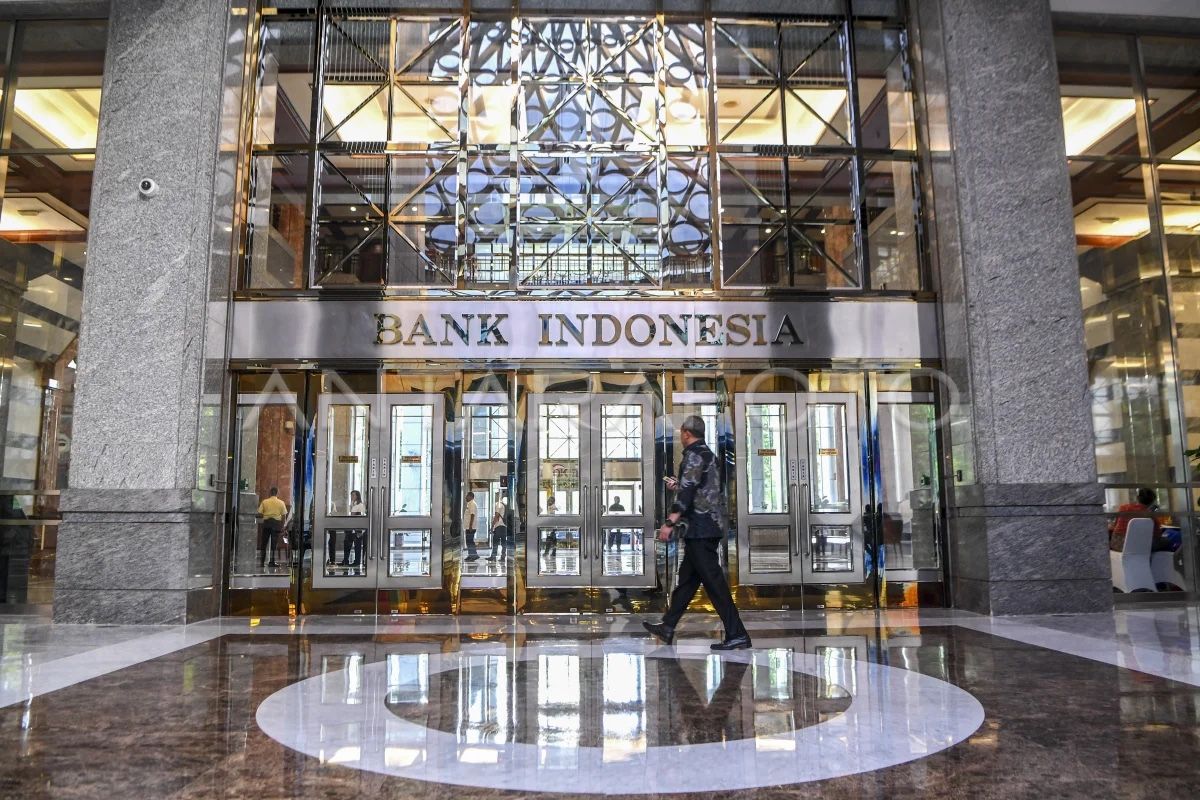
In this regard, Bank Indonesia (BI) possesses not only the BI-Rate but also spot interventions, domestic non-deliverable forwards (DNDF), liquidity management, money market and foreign exchange instruments, and the development of local currency transactions (LCT).
“I do not see the current conditions as a reason to be overly bearish on the Rupiah. Pressure exists, but its weakening from current levels should be relatively limited if our policy reaction function is appropriate,” he said.
Fakhrul emphasised that this policy reaction function does not mean maintaining the Rupiah at a specific level. He argued that the more important factor is ensuring that every shock is absorbed by the appropriate instruments and markets.
“If pressure comes from global yields, let part of the adjustment occur through SUN yields. If excessive volatility arises in the foreign exchange market, BI can implement guardrails through intervention. If the issue is structural dollar demand, the government and BI need to strengthen LCT, exports, FDI, and other external financing sources. We must not expect the BI-Rate to solve everything,” concluded Fakhrul.
Source: jawawa.id (https://jawawa.id/newsitem/economist-do-not-rely-solely-on-bi-rate-to-respond-to-global-cost-of-capital-1789376800)
Originally published by Antara (Indonesian) (https://www.antaranews.com/berita/5739859/ekonom-jangan-hanya-bebankan-bi-rate-untuk-respons-harga-modal-global), translated from Indonesian