
Economist deems 6% KUR interest rate still relevant in aiding SMEs
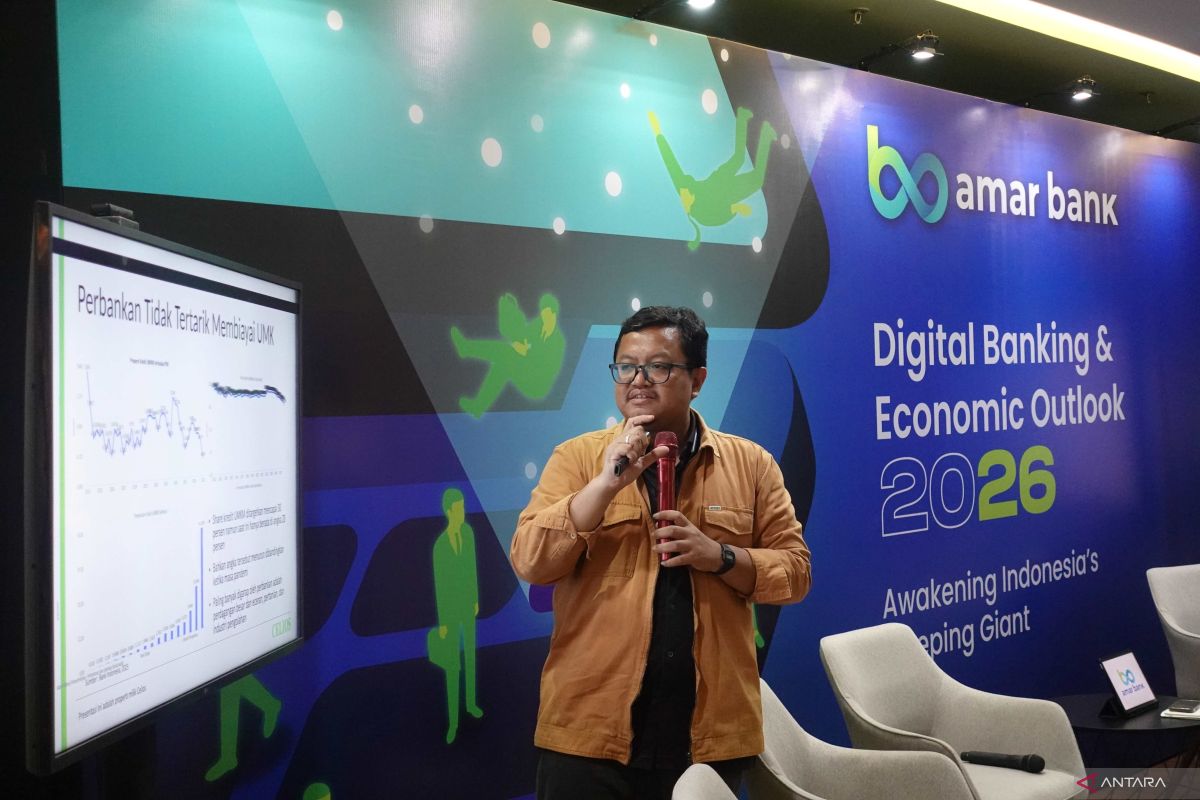
Jakarta (ANTARA) - Nailul Huda, an economist from the Center of Economics and Law Studies (Celios), believes that the 6% per year interest rate for Kredit Usaha Rakyat (KUR) remains relevant in helping micro, small, and medium enterprises (MSMEs) access business financing.
This statement was made by Nailul in response to President Prabowo Subianto’s initiative to lower the KUR interest rate to 5% per year, from the previous 6%.
Contacted in Jakarta on Monday, Nailul assessed that the impact of reducing the KUR interest rate to 5% would not be very significant, as the difference is only 1% from the current KUR rate.
The previous KUR interest rate was set at 6% for the first application and increased by 1% for subsequent applications, with a maximum interest rate of 9%. By 2026, the government has set the KUR interest rate to remain fixed or flat at 6%.
“There is already a KUR scheme with the current 6% interest rate for all micro, small, and medium enterprises. This step is already appropriate to help our MSME actors access capital,” he said.
According to him, lowering the KUR interest rate would also increase the government’s subsidy burden, as the difference between the commercial interest rate and the KUR rate is covered through the State Revenue and Expenditure Budget (APBN).
“With the current situation, the government’s burden increases because the KUR rate becomes 5% and in economic uncertainty, the risk cost rises,” he added.
In addition, he reminded that KUR distribution should remain focused on MSME business entities and not expanded to individuals to avoid potential moral hazard.
According to him, currently, there are still cases of KUR being used for non-business needs, so supervision of credit distribution still needs to be strengthened.
“Even now, many KURs are used for non-business purposes, let alone if allowed for individuals. The moral hazard would be even greater,” he said.