
Economist confident downstream processing is key to boosting plantation commodity value
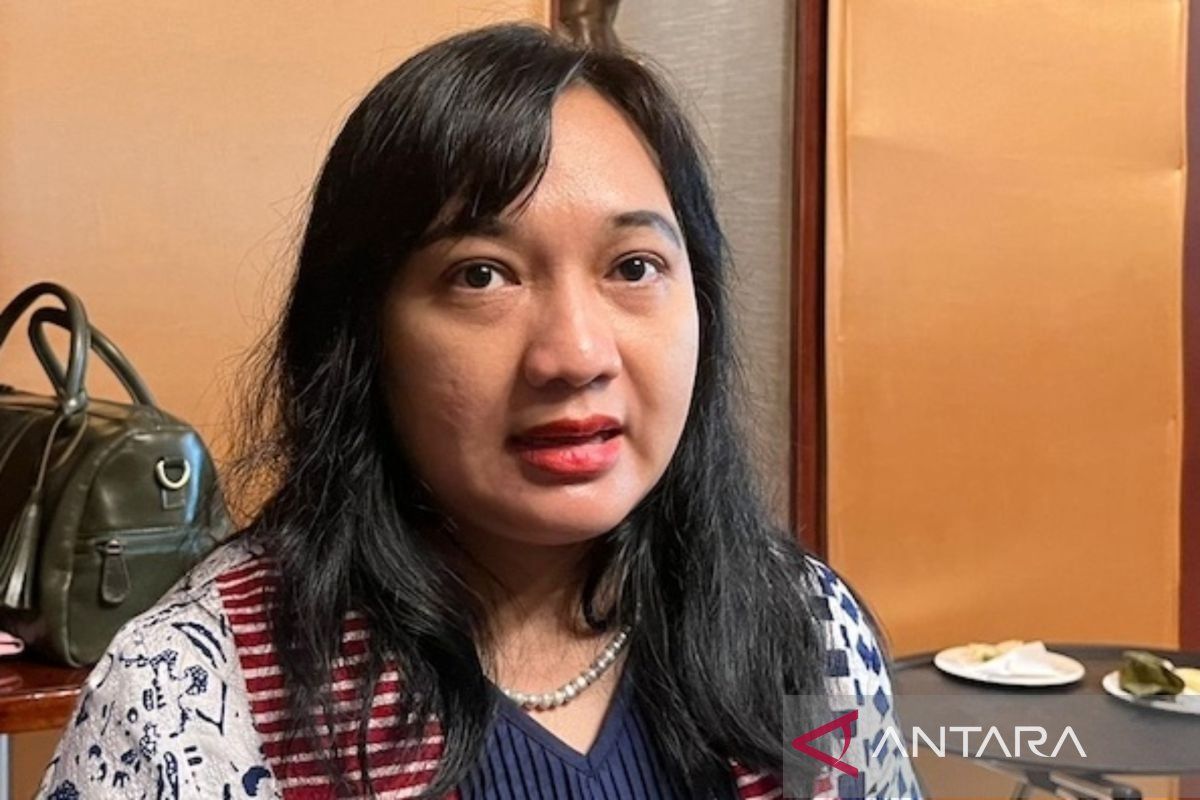
The Executive Director of the Institute for Development of Economics and Finance (Indef), Esther Sri Astuti, believes that industrial downstreaming is a strategic step to increase the added value of Indonesia’s plantation commodities.
Speaking in Jakarta on Monday, Esther Sri Astuti stated that by processing commodities into intermediate or final products, Indonesia has the opportunity to achieve higher economic value while simultaneously strengthening competitiveness in both domestic and global markets.
Esther noted that the concept of downstreaming is highly relevant when applied to various plantation commodities, such as coffee and cocoa. According to her, processing these commodities into intermediate or final products will increase their selling price compared to merely exporting raw materials.
However, Esther emphasised that downstreaming should not focus solely on increasing economic added value. She argued that the success of downstreaming must also consider social and environmental aspects to ensure that the benefits generated are sustainable.
She explained that industrial downstreaming needs to consider three main aspects: economy, social, and environment. In addition to increasing product prices and added value, downstreaming must also be capable of creating jobs, assisting in poverty alleviation, and avoiding negative environmental impacts.
“This means that industrial downstreaming is not only concerned with added value and more expensive product prices, but industrial downstreaming must also provide benefits to the social environment, job creation, poverty alleviation, and so on,” she said.