
Economist: Cash Social Assistance Needed to Maintain Purchasing Power Amid Pertamax Price Hike
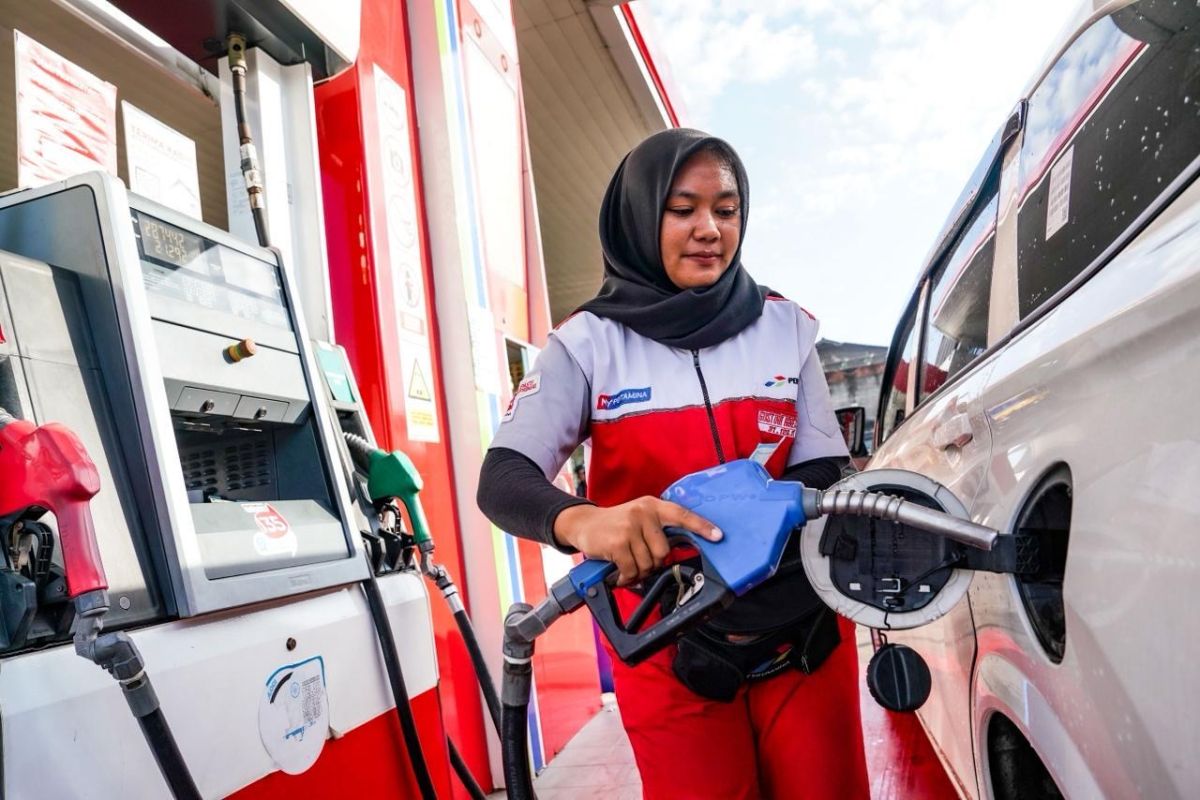
Economist Fakhrul Fulvian, Head of Economics at Trimegah Sekuritas Indonesia, has stated the government needs to prepare a swift and targeted cash social assistance programme to maintain public purchasing power in the wake of the Pertamax price increase. “The most important thing now is to ensure that affected communities do not bear the entire burden of this adjustment,” Fakhrul said in a statement in Jakarta on Thursday. Fakhrul said the government must immediately ready direct cash assistance as an economic buffer for vulnerable groups, the lower-middle class, and communities most impacted by rising transportation costs and daily necessities. By leveraging technological capabilities such as digital payment systems, population data integration, banking, and artificial intelligence developments, aid can be distributed more quickly and accurately. He believes speed of implementation is a critical factor. Aid distribution should ideally be carried out immediately after the price increase takes effect to prevent an overly deep decline in household consumption. In general, Fakhrul considers the government’s decision to adjust Pertamax prices with an increase of more than 30 per cent a difficult step, but unavoidable under current fiscal conditions. He also observes that the government is facing a considerable challenge. On one hand, the need to maintain fiscal sustainability is increasingly large. On the other hand, there is pressure on the rupiah exchange rate, rising energy import costs, and the need to maintain fiscal stability. Therefore, the Pertamax price increase needs to be seen as part of a broader fiscal adjustment process. The success of this policy, he noted, will also heavily depend on the government’s courage to evaluate and reorganise various state spending programmes so that the created fiscal space can truly be utilised optimally. He specifically highlighted the importance of evaluating and reorganising the Free Nutritious Meals programme to ensure its social objectives are still met, but with a more efficient and sustainable design. On the other hand, Fakhrul considers the fuel price adjustment measure to have a positive impact on macroeconomic stability if combined with appropriate policies. Reduced energy subsidy pressures and a strong signal regarding fiscal discipline will help improve market perception of Indonesia’s economic health. He added that fiscal improvement also has the potential to aid the stabilisation of the rupiah exchange rate, which has faced considerable pressure recently. When the market sees the government capable of controlling fiscal risk, improving the quality of state spending, and maintaining the sustainability of the state budget, pressure on the rupiah will gradually decrease and capital flows can return to Indonesia. Nevertheless, Fakhrul cautioned that the success of this policy is not solely measured by the reduction in subsidy burdens, but also by the government’s ability to maintain public purchasing power during the transition period. “What is most important is ensuring that the burden of adjustment does not fall entirely on the public. The government needs to show that fiscal discipline, social protection, and state spending reform can go hand in hand,” he said. If these steps can be carried out successfully, according to Fakhrul, Indonesia will not only achieve healthier finances, but also stronger economic stability, a more stable rupiah, and a more sustainable growth foundation going forward.