
Economist: BI-Rate hike makes rupiah assets more attractive
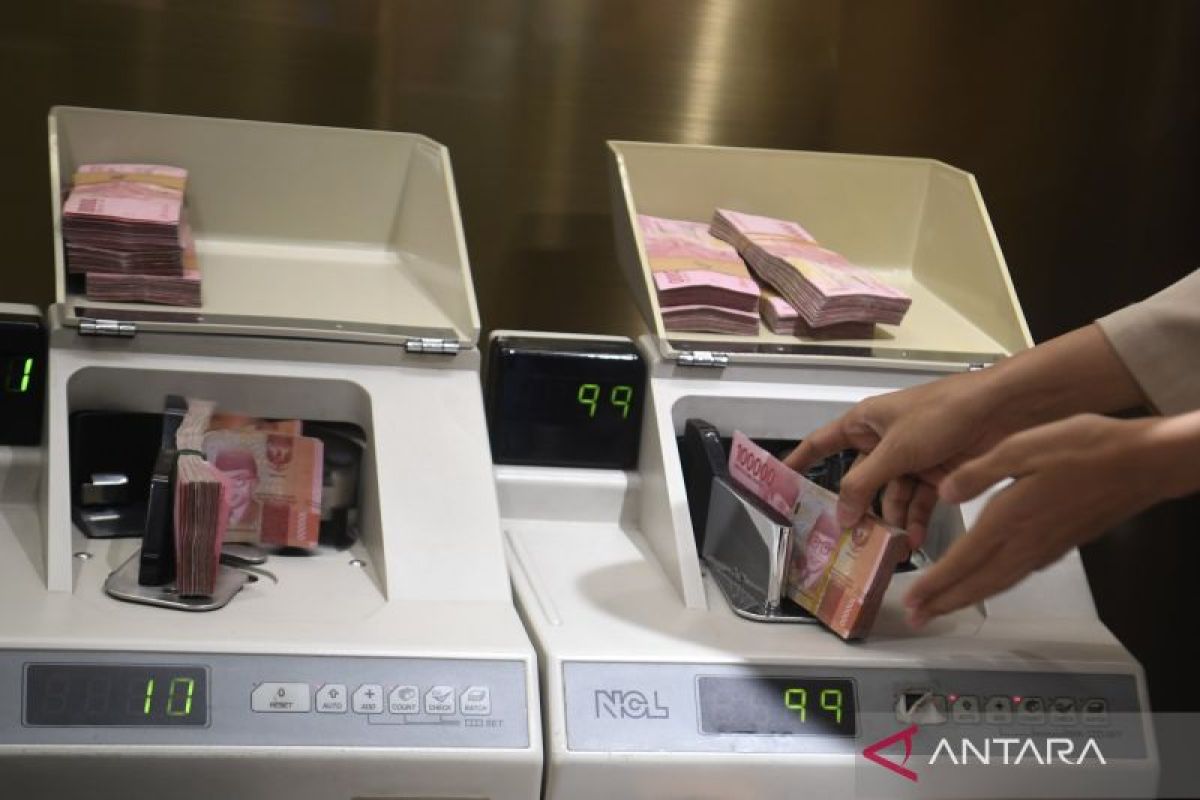
Jakarta (ANTARA) - PermataBank Chief Economist Josua Pardede stated that an increase in the BI-Rate will have a positive impact in the short term, as it makes Rupiah assets more attractive and can withstand selling pressure against the Rupiah.
“This policy can also dampen speculation regarding Rupiah depreciation, especially if accompanied by increased attractiveness of SRBI (Bank Indonesia Rupiah Securities), lower hedging costs, and measured foreign exchange interventions,” Josua said when contacted by ANTARA in Jakarta on Tuesday.
However, according to him, the effectiveness will not be automatic; the Rupiah will only become more stable if the market perceives that the interest rate hike is supported by clear policy communication, State Budget (APBN) discipline, and consistent coordination between the government and Bank Indonesia.
“If investor concerns persist, the impact of Rupium strengthening could only be temporary,” said Josua.
He noted that Bank Indonesia intends to send a strong signal that the Rupiah’s weakness can no longer be handled solely through foreign exchange market operations, but must be reinforced by increasing Rupiah yields to encourage the return of foreign capital inflows.
He described the move as appropriate in the current climate, though it serves more as a defensive measure to prevent greater damage rather than a primary cure for all Rupiah-related issues.
With the Rupiah breaching important psychological levels, global pressures remaining high, energy prices at risk of rising, and foreign investors remaining cautious, he stated that a firm response is necessary.
“Allowing the Rupiah to weaken too far could trigger rising inflation, worsen market confidence, and increase financing costs for both the government and the private sector,” said Josua.
On the other hand, he reminded that the government must also strengthen market confidence through fiscal discipline, more selective spending, regulatory certainty, the strengthening of state revenue, and calmer, data-driven communication.
“If the fiscal and regulatory sides do not improve investor perception, Bank Indonesia will be forced to work harder with increasingly expensive stabilisation costs,” Josua added.
Josua concluded that the BI-Rate hike is a necessary and rational step to curb Rupiah pressure, maintain inflation, and attract foreign funds back, but it should be treated as a bridge to restore confidence rather than a permanent solution.
“The Rupiah will be more stable if the interest rate hike is accompanied by fiscal credibility, policy certainty, and reforms that improve the investment climate. Without this, Rupiah stabilisation will only be temporary, and the cost to the economy could grow larger,” he explained.
Regarding the impact on the national economy, he explained that it is a double-edged sword. On one hand, the BI-Rate hike helps maintain exchange rate stability, prevents rising prices of imported goods, and protects public purchasing power from the risk of higher inflation.
“On the other hand, banking fund costs could potentially rise, credit interest rates may find it harder to decrease, and the business world will be more cautious in pursuing expansion,” said Josua.
He explained that interest-sensitive sectors such as property, automotive, consumer finance, and businesses that rely heavily on short-term loans may feel the pressure more quickly.
“Therefore, while this policy aids stability, it could add a burden to economic growth if it persists for too long,” Josua concluded.