
Economic Potential Reaches Rp 27.6 Billion, Government Boosts Gentengnisasi in West Java
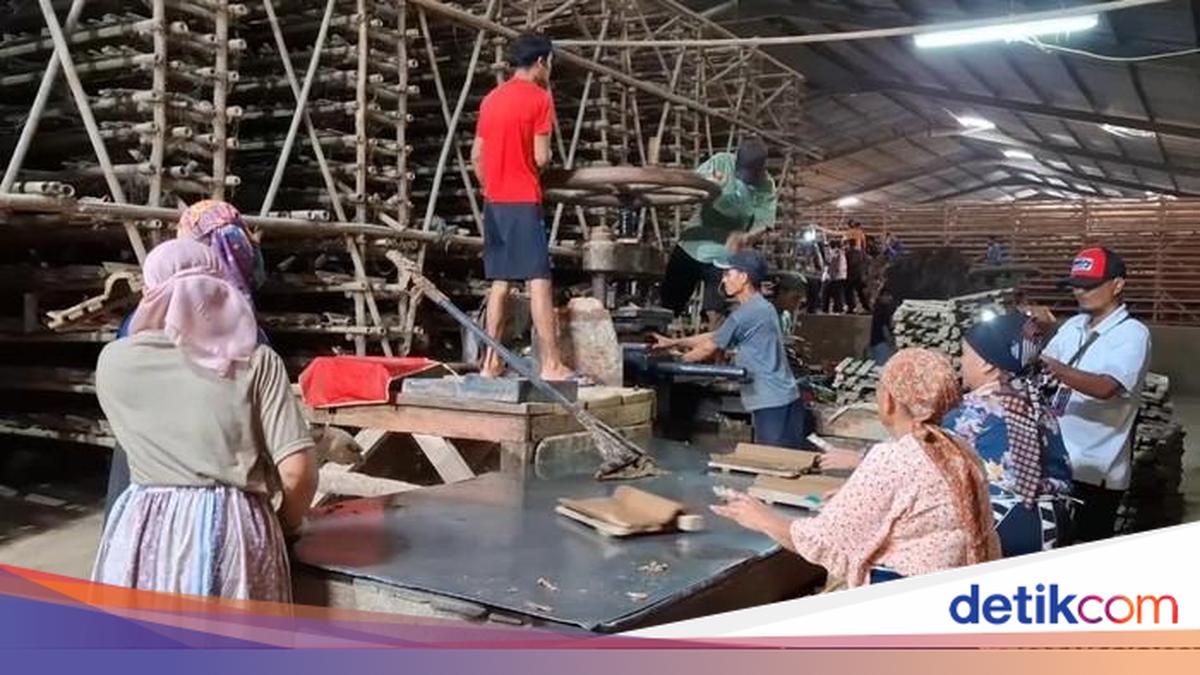
Indonesia’s Minister for Housing and Settlement Areas, Maruarar Sirait (Ara), directly inspected a roofing tile factory in the Plered area, Purwakarta Regency, West Java. This visit is part of efforts to support the ‘gentengnisasi’ programme in line with President Prabowo Subianto’s directive to bolster the use of local materials in national housing projects. Ara emphasised that the implementation of the gentengnisasi programme must adhere to applicable regulations and governance standards. “The execution of this gentengnisasi programme must comply with the rules, be transparent, and accountable. We want this programme not only to run quickly but also accurately and accountably,” Ara stated in a written release on Friday (17/4/2026). Ara explained that the visit to Plered aims to ensure the readiness of local roofing tile SMEs in meeting housing material needs, especially for the Self-Help Housing Stimulus Assistance (BSPS) programme in West Java, to fully utilise domestic products. Besides BSPS, the potential for using local tiles is also wide open in the subsidised housing sector. In 2025, there were 62,591 subsidised housing units in West Java, requiring around 730 tiles per unit. The government is encouraging all such projects to prioritise local products. “This year, BSPS implementation in West Java totals 40,000 units. One housing unit requires approximately 300 tiles,” Ara explained. “If we promote the use of local tiles at around Rp 2,300 per piece, the economic turnover potential could reach approximately Rp 27.6 billion for local roofing tile SMEs,” she added. According to Ara, this step is a concrete government strategy to elevate SMEs through tangible programme interventions. “We pray that local roofing tile SMEs can level up through this gentengnisasi programme, as it is large-scale and sustainable,” she said. Meanwhile, the West Java Provincial Government (Pemprov Jabar) is preparing insurance protection for workers in the roofing tile industry. This step is taken to enhance the welfare of informal sector workers. The policy was directly conveyed by West Java Governor Dedi Mulyadi (KDM) during his inspection of the roofing tile production centre in Plered Subdistrict, Purwakarta Regency. KDM explained that Pemprov Jabar will cover workers’ compensation insurance for factory employees. This initiative is expected to provide a sense of security while improving the quality of life for workers. “The provincial government will provide workers’ compensation insurance for roofing tile workers. This is a form of protection so they can work calmly and more productively,” KDM told the tile-making workers. Nevertheless, KDM stressed that improving welfare cannot rely solely on the government. KDM urged roofing tile entrepreneurs to contribute by raising workers’ wages to decent levels. KDM highlighted wage conditions in several production centres, such as Cianjur, Garut, and Kuningan, which, based on his observations, are still below Rp 50,000 per day. “If wages are only Rp 30,000 to Rp 50,000, it’s hard for workers to escape poverty. Therefore, entrepreneurs must also raise wages, at least with increases that have an impact,” KDM said. One roofing tile entrepreneur, Farid Bambang, expressed his readiness to increase wages for tile artisans. However, Farid conditioned it on the gentengnisasi programme running smoothly first, stabilising company cash flow. “So far, we’ve only been surviving because orders are sluggish. We’re ready to adjust workers’ wages after the programme runs and money comes in,” Farid said. For information, the inspection was conducted together with West Java Governor KDM, Purwakarta Regent Saepul Bahri Binzein, and national entrepreneur James Riady. The presence of these figures underscores the synergy between central government, local government, and the private sector in succeeding the people’s housing programme.