
Economic Independence for Toyomarto Village Through 'Sedesa' Coffee Leaf Tea
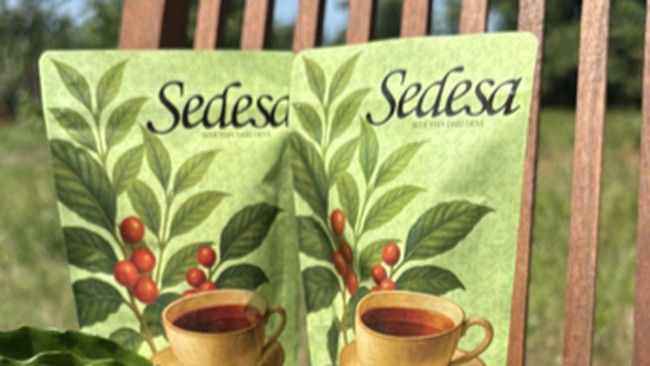
The Agricultural Product Technology Student Association (Himalogista) of Universitas Brawijaya (UB) has officially launched the Gema Desa (Sustainable Village Service Movement) programme in Toyomarto Village, Singosari District, Malang Regency, East Java Province. Gema Desa is a continuing service programme from the ‘Himalogista Mengabdi’ work plan, now in its third year. Embracing the vision of the Tri Dharma of Higher Education, the Himalogista Mengabdi programme focuses on increasing the economic value of Toyomarto Village’s local commodities through the innovative product ‘Sedesa’, a brewed tea made from robusta coffee leaves. Toyomarto Village has abundant local coffee plantation potential through the Le Mar (Lembah Arjuno) Coffee commodity. However, the potential use of other parts of the coffee plant, especially the leaves, has not been optimally exploited. In fact, robusta coffee leaves are rich in antioxidant compounds beneficial for health. This opportunity was seized by the Himalogista Mengabdi team to provide added value for the economy of Toyomarto Village. In the first year, the team focused on the upstream sector through product formulation research with supervising lecturers and intensive socialisation and education for the community. In the second year, the focus shifted to forming a production group in Toyomarto Village. Currently, in the third year, the team is working on packaging design, strengthening the product brand, and conducting product feasibility tests in a wider market. The second and third years mark a crucial phase of the GEMA DESA programme. In the second year, the team sharpened its focus on creating packaging and establishing a production group in the village. The packaging design was developed to be informative so that the unique identity of the ‘SEDESA’ (Brew from the Village) product is clearly visible and increases consumer appeal. The formation of the village production group involved PKK (Family Welfare Empowerment) women as the driving force. he third year’s agenda includes obtaining a Business Identification Number (NIB) and PIRT (Home Industry Food) certification, which are necessary to ensure the coffee leaf tea product meets national food safety standards and to increase consumer confidence. The team also successfully conducted limited market trials and obtained feedback from sales to the general public. Now entering the final phase of the GEMA DESA programme in its third year, the ultimate target of this service has been achieved. This year, the full handover of business management to the established village production group was carried out. With the certifications obtained, this innovative product from Toyomarto Village is ready to compete independently at the local and national levels, serving as tangible proof of academic and community service success in managing the potential of local food resources.