
Economic Impact of Strait of Hormuz Opening: Oil Prices Drop, Markets Stabilise
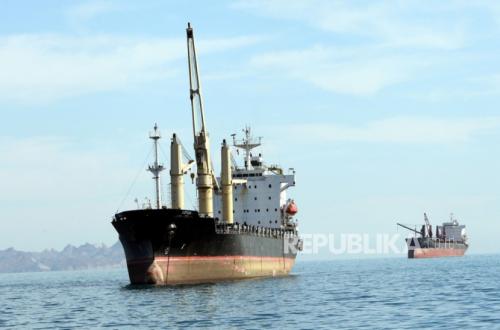
REPUBLIKA.CO.ID, TEHERAN — Iran on Friday (17/4) stated that the Strait of Hormuz is now open for commercial shipping for the remainder of the 10-day ceasefire in Lebanon that halted fighting between Israel and the Iran-backed militant group Hezbollah. US President Donald Trump welcomed the announcement via social media. However, he emphasised that the US naval blockade on ships entering or leaving Iranian ports remains in place until a peace agreement is reached with Tehran. Iranian Foreign Minister Abbas Araqchi stated via the social media platform X that the strait, a vital global oil and gas transport route, has been “declared fully open” through coordinated routes previously announced by Iran. Trump claimed that Iran has agreed to “never” close the important shipping lane again. “The strait will no longer be used as a weapon against the world,” he wrote. He also added that Iran, with US assistance, is clearing sea mines in the area. Although details of the strait’s reopening remain unclear, major US crude oil futures contracts fell more than 10 percent to below $90 per barrel (approximately Rp 154,241) following the Iranian foreign minister’s statement, delivered a day after the US-backed ceasefire between Israel and Lebanon took effect. Previously, most of the Strait of Hormuz had been blocked by Iran since the start of attacks by the US and Israel at the end of February. Iran’s Parliament Speaker Mohammad Bagher Ghalibaf, who also leads his country’s negotiation team, stated that the US President’s claims are inaccurate. “The US President made seven claims in one hour, all of which are untrue,” he said in a post on X. He emphasised that the strait will not remain open if the US naval blockade continues.