
Economic Hardship and Mysterious Terrors Threaten Indonesian Citizens, Targeting Youth and Children
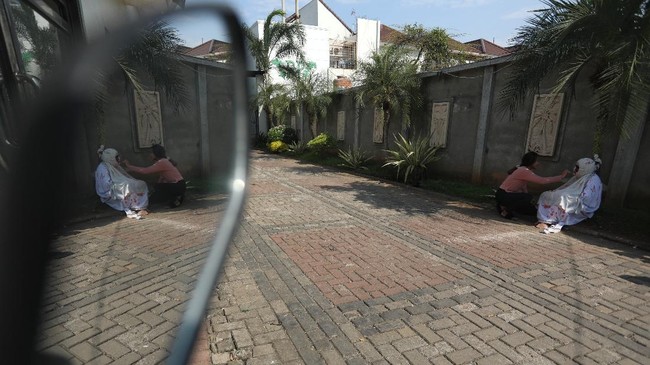
A recent wave of ‘pocong’ ghost sightings has caused widespread fear among residents in several areas of East Java. Social media has been flooded with posts containing witness testimonies and amateur video recordings that claim to show a shrouded figure appearing in public spaces at night.
This is not the first time such an issue has emerged in Indonesia. Historical records show that pocong terrors have previously kept citizens indoors at night, and in some cases, criminals have exploited the situation during times of social and economic difficulty. In the late 1980s, similar scares coincided with a national economic slowdown. The newspaper Harian Neraca reported in October 1988 that a pocong terror was used to frighten residents into staying home, allowing thieves to break into traders’ warehouses and steal millions of rupiah from a workshop. During that period, Indonesia’s economy was under significant pressure, with the 1986/1987 state budget declining by about 7% due to falling oil and gas exports, leading to slow growth, declining trade and investment, and rising debt.
The terror reappeared in Ciamis, West Java, in 1997, targeting girls under 17 and boys under five. A resident named Arim claimed to have witnessed the figures emerging not from a grave, but from a red Kijang van. The following year, as the 1997-1998 Asian financial crisis devastated the economy and the rupiah plummeted, a different terror emerged in East Java. Reports surfaced of mysterious ‘ninjas’ who would jump out of box trucks, suspected of killing individuals associated with black magic. These historical patterns demonstrate that stories of pocong and other mysterious terrors often surface during periods of intense social and economic strain, serving as more than just horror tales but as recurring elements of social dynamics.