
Economic Crisis Worsens, Oil Minister Resigns
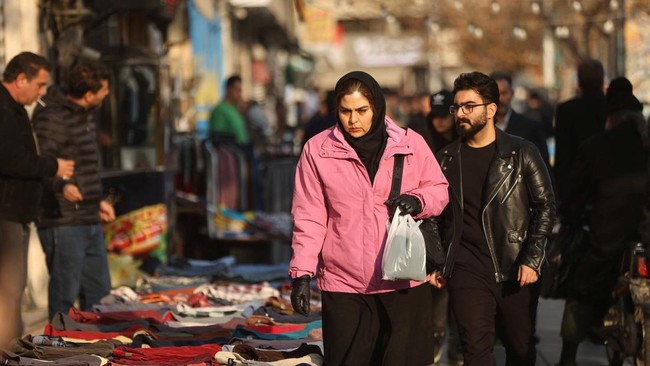
Iran’s Oil Minister, Mohsen Paknejand, has resigned amidst a worsening economic crisis. The situation is marked by plunging oil revenues, high inflation, and a sharp depreciation of the rial.
According to The Guardian on Tuesday (6/10/2026), Iranian President Masoud Pezeshkian stated that he has accepted Paknejad’s resignation, with the minister citing personal reasons for his decision.
The resignation comes several days after allegations emerged that intermediary agencies used by Iran to sell oil abroad owe nearly US$2 billion (approximately Rp35.6 trillion) to the state-owned National Iranian Oil Company (NIOC).
Iran’s economic crisis has deepened after the rial weakened by more than 10% in the last month. The dollar is currently trading at around 269,000 toman, or 2.69 million rials, per US$1, having strengthened by 12% since 9 September, while food inflation has reached 130% and overall inflation is reported at 85%.
Iran’s economy also experienced a contraction of approximately 10% during the first three months of this year. Plummeting oil revenues have further limited foreign exchange supplies, particularly after US naval blockades hindered oil exports, which serve as the government’s primary source of income.
Pressure on the oil sector has also brought scrutiny to the alleged mismanagement of export revenues. The Farhikhtegan newspaper reported that intermediary agencies established during Paknejad’s tenure are suspected of owing nearly US$2 billion to NIOC, while three individuals who secured oil contracts are said to each owe hundreds of millions of dollars; the Iranian parliament has since launched an investigation into these allegations.
The deteriorating economic conditions are also directly impacting the populace. Mohammad Sharifi Moghaddam, Secretary-General of the Nurses’ House organisation, stated, “Nurses have exhausted every possible means, whether logical, legal, or professional, as well as through various forms of protest or critical actions, to fight for their demands.”
According to Sharifi Moghaddam, economic pressures have led some nurses to choose not to work, as their income is deemed disproportionate to the cost of living. He noted that a salary of approximately 25 million toman, or 250 million rials, makes nurses feel it is more economical to stay at home than to work, while reports of mass resignations have also emerged from teachers and other professionals.
The Iranian government is attempting to mitigate this pressure by freezing the prices of 12 essential commodities, including rice, sugar, oil, and detergent, for six months, and is considering wage increases for the public sector.
However, amidst a series of attacks on vessels around the Strait of Hormuz and uncertainty regarding oil exports, the government faces significant challenges in restoring public confidence while attempting to halt the decline in the standard of living.
Source: jawawa.id (https://jawawa.id/newsitem/economic-crisis-worsens-oil-minister-resigns-1791302012)
Originally published by CNBC Indonesia (https://www.cnbcindonesia.com/news/20261006104945-4-773668/krisis-ekonomi-makin-parah-menteri-minyak-pilih-mundur), translated from Indonesian