
Economic Census in Mataram Sparks Unease Over Personal Asset Questions
The economic census in Mataram, West Nusa Tenggara, has been met with concern from local residents, who fear that interview questions delve too deeply into personal matters, including wealth and assets. “I’m scared, especially after seeing traders at the market being asked all sorts of things by census officers. There’s been a lot of fuss about questions like how many grams of gold you own, what your current assets are—basically, questions that are quite personal,” said Zahra, a Mataram resident. Similarly, another resident, Sari, expressed unease about questions touching on private matters, particularly household finances. “I haven’t been surveyed yet, but if they come tomorrow, I’ll probably refuse. We have the right to refuse, because I feel uncomfortable when the questions get too personal. Especially with so many census questions circulating on social media, it’s frightening,” she said.
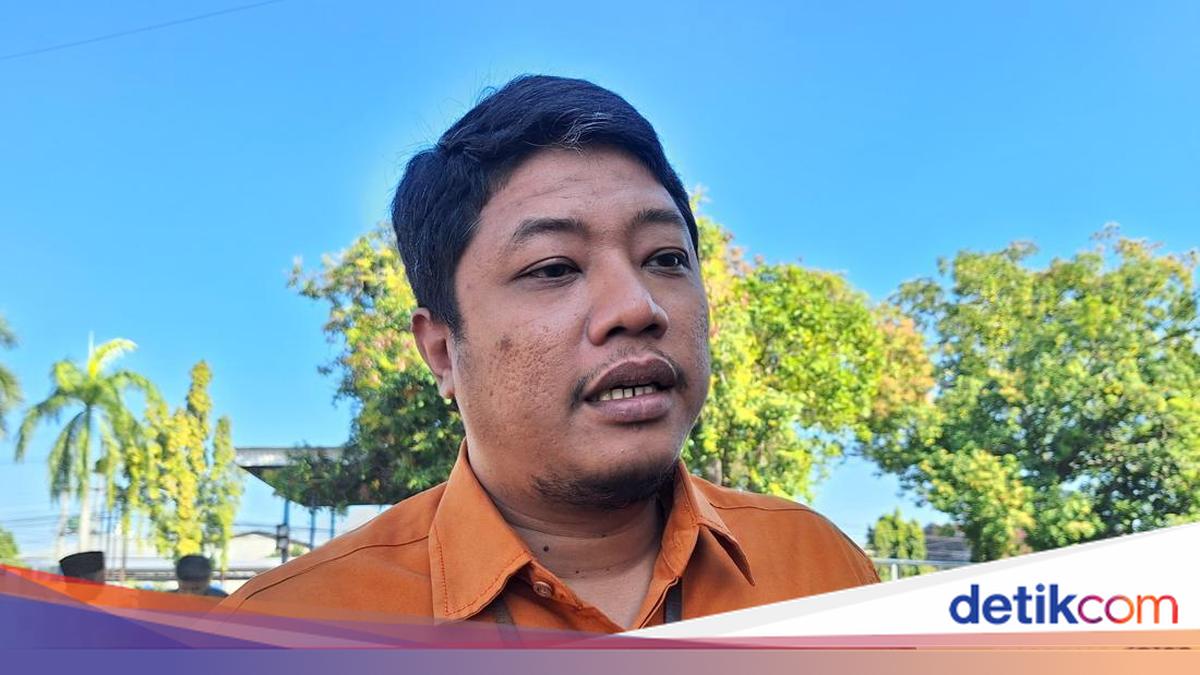
Head of the Mataram Central Statistics Agency (BPS), Muhammad Reza Nugraha, acknowledged that refusal or reluctance from residents during the census poses a challenge for field officers. However, he claimed such cases are few and have been managed through good communication. “That is a challenge for our officers in the field. But there is support from all parties. We hope the public is not provoked by that small minority that went viral,” Reza said. He stressed that the economic census is protected by strong legal frameworks, namely the Statistics Law and the Personal Data Protection Law. “The data is private and has nothing to do with taxation. The data we publish is not in individual form, but in aggregate,” he asserted. The field data collection is scheduled to run for two and a half months, from 15 June to 31 August.
Meanwhile, the Bali Provincial BPS office emphasised that questions regarding income, assets, and business financial conditions posed by 2026 Economic Census officers serve a crucial purpose for government policy formulation. Head of BPS Bali, Agus Gede Hendrayana Hermawan, explained that one obstacle to the census is lingering suspicion among some members of the public, making them reluctant to provide information, especially in urban areas. “Why do we need to ask about income? Why ask about business expenditure? Without knowing that, we cannot determine the scale of the business. That is important. And it is confidential, its confidentiality is guaranteed,” he stated. The data collection also forms the basis for drafting regulations and programmes for Micro, Small, and Medium Enterprises (MSMEs), which he noted are highly dynamic. “Data is dynamic. MSMEs, especially, grow quickly, close quickly, or change hands. The more updated the data, the better,” he added. Agus also noted that income and expenditure are important indicators for depicting public welfare, as economic conditions cannot be judged by appearance alone.
Agus also urged the public to be wary of individuals posing as 2026 Economic Census officers to avoid fraud. He explained that official census officers are always equipped with BPS attributes and verifiable identification. “A census officer wears a census vest and carries a letter of assignment. Look at the letter, scan it. They also have an ID card; scan the barcode and it will be visible,” he said. While no cases of fake officers have been found in Bali, such incidents have occurred in other regions, prompting a call for increased vigilance. He advised residents to verify officers’ identities by asking about the purpose of their visit. “Ask them, ‘What is the purpose of the economic census?’ The officer will provide an explanation,” he said. Agus reiterated that economic census officers only ask questions related to the economic conditions of households or businesses.