
Ecological Repentance for a Restored Nature
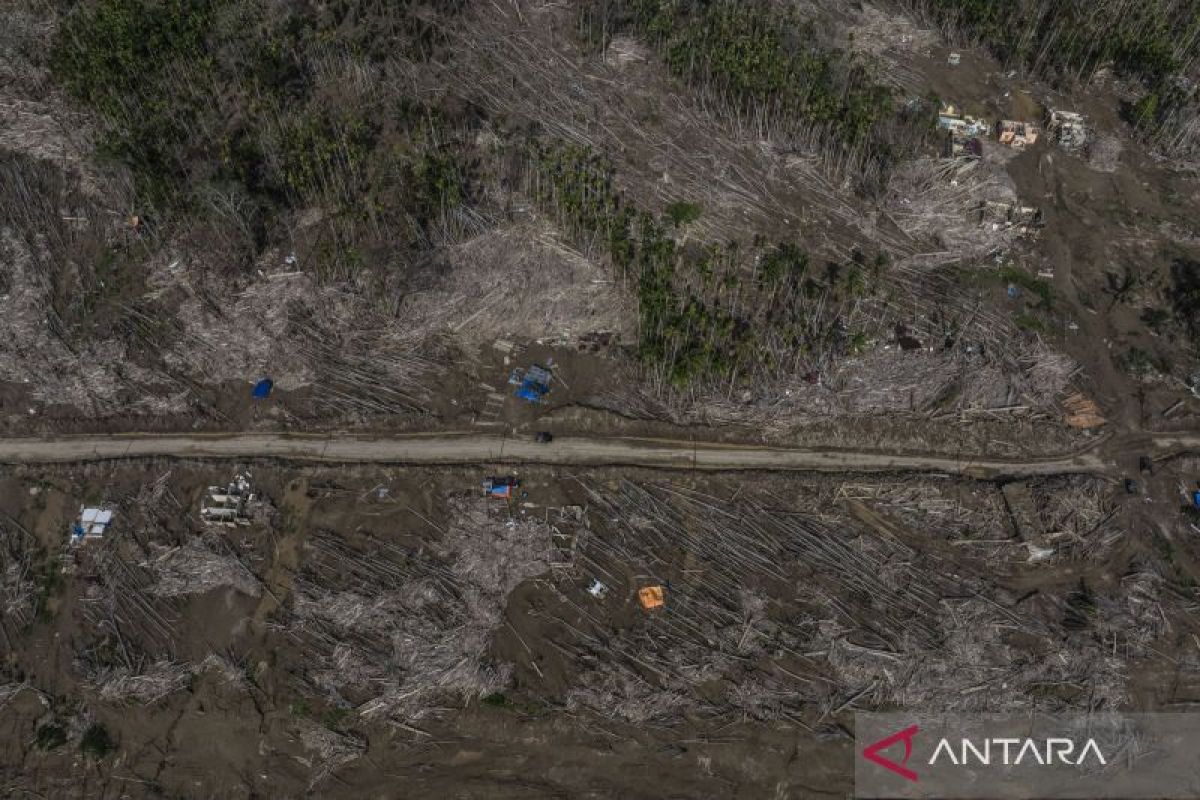
Ecological repentance must not remain merely an invitation to a few, but must become a collective consciousness involving all elements of the nation.
Jakarta (ANTARA) - In the past, our ancestors believed that if disasters occurred, it meant humans had failed to protect nature from unleashing its wrath. However, something has changed in how humans perceive nature. Previously, forests were treated as the home of life, rivers were respected as sources of livelihood, mountains were protected because they were believed to hold the balance of nature, and the sea was nurtured as the space where humans anchored their future.
Over time, however, that relationship has gradually shifted. Nature is no longer always viewed as a friend to be protected, but rather as a resource to be extracted as much as possible. Forests have become mere figures in production reports, rivers have turned into disposal channels, mountains are viewed as material reserves, and the sea has become a dumping ground for various forms of pollution believed to disappear on their own.
When floods occur more frequently, when landslides claim settlements, when droughts make life difficult for citizens, and when the air becomes increasingly difficult to breathe, humans often refer to these as natural disasters. Yet, behind many of these events lies a long trail of human decisions that have ignored environmental balance for years.
Therefore, the call from the Minister of Environment, Jumhur Hidayat, to perform ‘ecological repentance’ is timely and should become a shared thought and movement. This is not merely because the term sounds different, but because it touches something deeper than just environmental policies or programmes.
Denny JA, Executive Director of Citra Komunikasi LSI, believes the term is highly appropriate to address the environmental challenges currently facing Indonesia. According to him, ecological repentance possesses a stronger emotional impact than the various environmental jargons frequently heard. It contains dimensions of morality, awareness, and reflection.
In the traditions familiar to Indonesian society, repentance is not just about admitting a mistake. Repentance is the courage to reflect, starting with the willingness to acknowledge errors, sincerely regretting them, stopping the wrong actions, and promising not to repeat them. When this concept is applied to environmental issues, its meaning becomes much broader. Ecological repentance invites everyone to acknowledge that, thus far, humans have indeed committed many wrongs against nature.