
Ebola Vaccine: Between Hope and Challenges
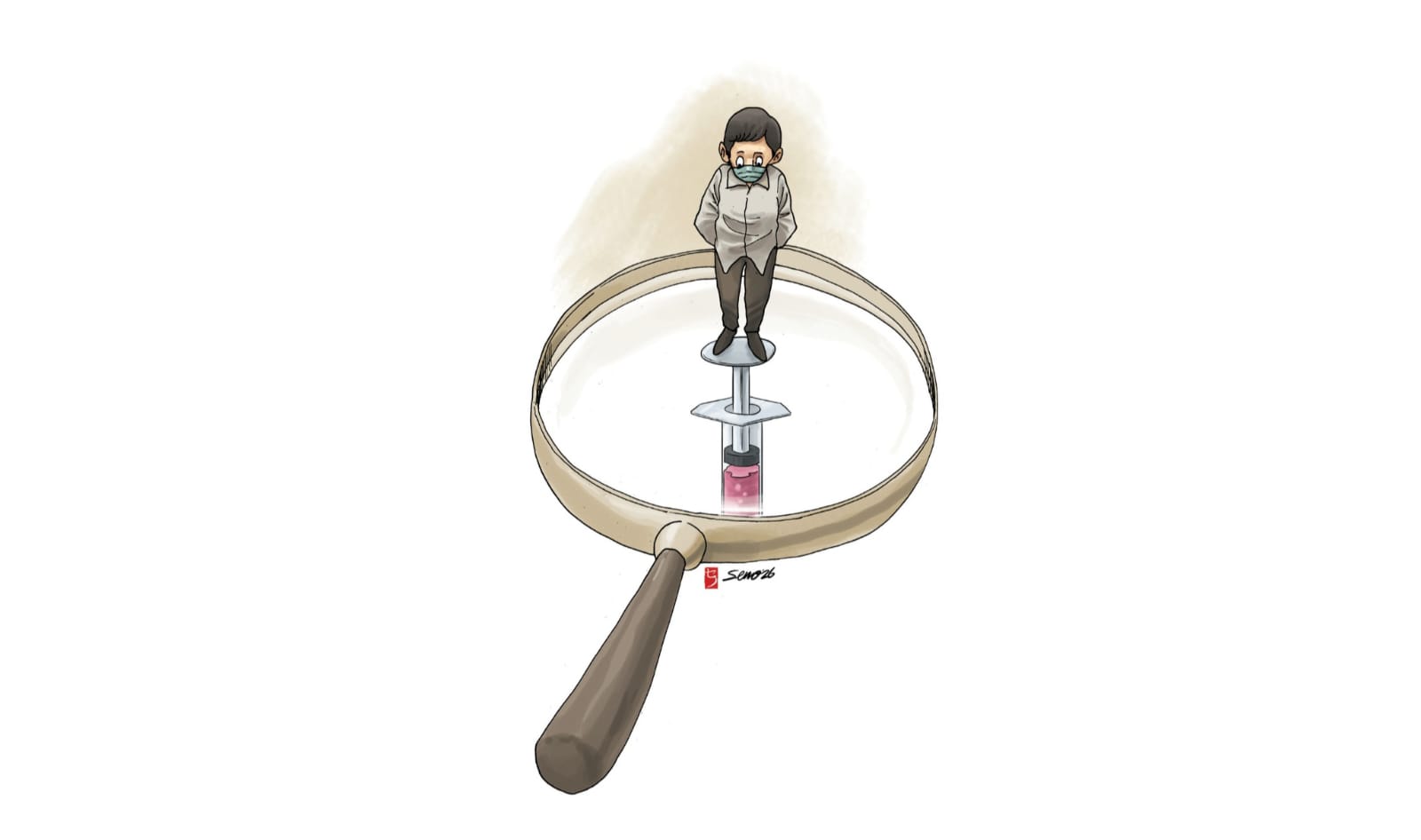
Once again, hantavirus and Ebola have shocked the world. These two re-emerging zoonotic diseases have resurfaced almost simultaneously. What is triggering their resurgence? Why, despite rapid advances in modern biology, are we still unable to prevent them?
Transmissibility and fatality of Ebola are deeply concerning. As of 22 May 2026, it has claimed at least 176 lives in a relatively short period. The case fatality rate (CFR) ranges from 25% to 90%, averaging around 50% (Centers for Disease Control and Prevention/CDC).
The Democratic Republic of Congo (DRC) has once again drawn global attention. It has been the epicentre of 17 Ebola outbreaks since 1976, with the most recent occurring a year ago. This time, however, the situation is particularly alarming. Not only are the death tolls high, but the outbreak is caused by the rare Bundibugyo strain of the Ebola virus, whereas the more common Zaire strain usually dominates. Currently, there is no specific antiviral treatment or vaccine for the Bundibugyo strain, despite vaccination being the most proven and efficient preventive measure.
The most notable example is smallpox vaccination. The smallpox pandemic caused 300 to 500 million deaths worldwide, spanning the 19th and 20th centuries. It was only in 1979 that the World Health Organization (WHO) declared global eradication—a process that took 200 years. This landmark achievement is etched in history.
Another example is the mitigation of the Covid-19 pandemic. The deployment of various vaccine platforms has been crucial in transitioning the pandemic to an endemic phase. Despite sporadic emergence of SARS-CoV-2 variants, vaccines remain effective in minimising morbidity and mortality.
Numerous other safe and effective vaccines exist for preventing various infectious diseases, most of which have been routinely implemented since 1956 through national immunisation programmes.
Vaccination against various infectious diseases follows a similar basic principle: artificially training the immune system to recognise pathogens. Once a protective immune response is established post-vaccination, the body can prevent severe disease. Despite the seemingly straightforward concept, vaccine development is a complex and challenging process.
Imagine a family with several children—some ‘mischievous’, others patient and kind. Ebola belongs to the Filoviridae family, which includes six strains. Four are pathogenic, capable of infecting humans and causing disease; the other two are not. The Zaire ebolavirus (EBOV) is the most virulent and frequent cause of outbreaks. The other pathogenic strains include Sudan ebolavirus (SUDV), Bundibugyo ebolavirus (BDBV), and Tai forest ebolavirus. Despite belonging to the same family, each pathogenic strain has distinct characteristics, leading to significant implications.
A vaccine for EBOV is currently available, codenamed rVSV-ZEBOV-GP. However, due to its specificity, it is designed solely for EBOV prevention. The antibodies it induces do not provide cross-protection against BDBV. As a result, the WHO and DRC health authorities lack a countermeasure for the spreading BDBV strain.
Ebola vaccine development requires facilities with Biosafety Level (BSL)-4 status—the highest laboratory security classification, designed to protect researchers, the environment, and the public from extreme-risk pathogens. Only certain developed nations, such as Canada, Australia, France, Germany, Sweden, and the US, possess such facilities. In comparison, Covid-19 testing labs only require BSL-2, while Indonesia has BSL-3 laboratories.
The protective mechanisms against Ebola remain poorly understood, meaning vaccine research is still in development to fully comprehend each component of the immune response. The hope is for a single vaccine platform to prevent all Ebola strains. However, in reality, each strain exhibits high antigenic diversity, making cross-protection challenging. Hence, the EBOV vaccine cannot prevent BDBV infections.
Before human application, vaccine research must ensure safety and efficacy on relevant animal models. Assessing immunogenicity and protection requires non-human primates, which raises ethical concerns and high costs. Conventional Phase III clinical trials on humans also require large sample sizes, with consistent pathogen exposure being ideal.
Conversely, Ebola outbreaks are sporadic with relatively small case numbers. Ethical barriers are significant; using placebos to evaluate vaccine efficacy in high-mortality cases is considered immoral. Field trials face numerous challenges. The DRC is a developing nation with low political stability, inadequate infrastructure, high corruption, ongoing civil conflicts, and a low Human Development Index (HDI). It ranks 175th out of 191 countries globally. Ironically, the