
Ebola resurgence prompts call for vigilance
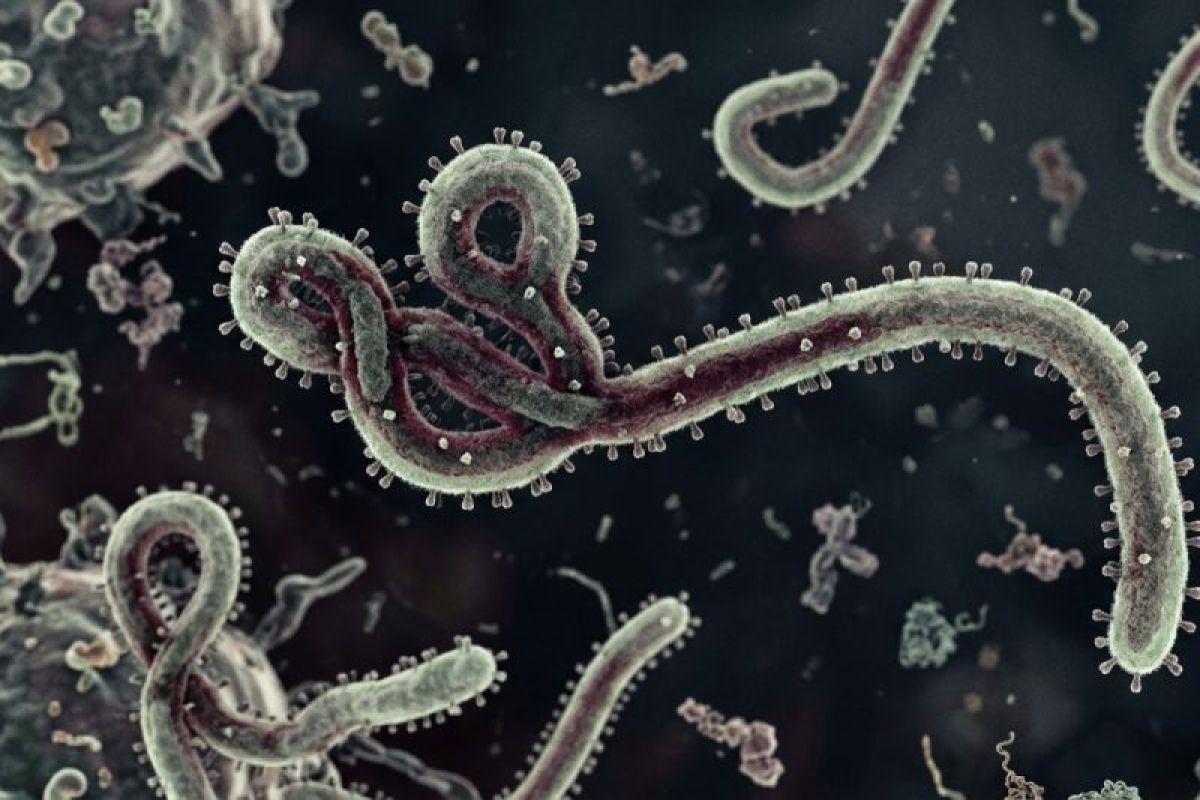
Ebola is not merely an outbreak, but a reminder that the world remains vulnerable to deadly infectious disease threats. First identified in 1976 in what is now the Democratic Republic of Congo (DRC) and South Sudan, Ebola has consistently re-emerged with increasingly widespread impacts. Between 1979 and 1994, no human Ebola cases or outbreaks were recorded. However, since 1994, outbreak frequency has increased. Up to 2014, most Ebola outbreaks were reported in remote villages near Central and West African tropical rainforests. The situation changed dramatically with the 2014-2016 West Africa outbreak, which shocked the international community. Intense transmission in urban areas led to over 28,000 reported cases and thousands of deaths. Countries including Italy, Mali, Nigeria, Senegal, Spain, the UK, and the US reported imported cases due to international human mobility. This outbreak demonstrated that in the era of globalisation, diseases emerging in remote areas can rapidly escalate into international threats. High levels of cross-border human mobility mean disease spread no longer respects geographical boundaries. International travel, global trade, and population movements create opportunities for emerging and re-emerging diseases to spread rapidly across countries, including Ebola, a zoonotic disease transmitted from animals to humans and subsequently between people. This highlights that global health threats are influenced not only by human mobility but also by complex human-animal interactions and environmental changes. The world now faces rising Ebola cases in Central Africa. From early May 2026 to the present, the DRC outbreak has shown significant case increases. Latest data (as of 25 May 2026) records 906 suspected cases, 105 confirmed cases, 223 suspected deaths, and 10 confirmed deaths. Uganda has reported seven confirmed cases and one confirmed death. The high number of suspected cases indicates the outbreak remains in a phase of intensive surveillance and investigation, primarily due to diagnostic limitations, delayed case identification, and contact tracing challenges in affected areas. These conditions prompted the WHO to declare Ebola a global health emergency with very high risk in the DRC, high risk in Africa, but low globally. This declaration underscores that the world still views Ebola as a serious threat requiring swift response and strong international coordination. Current concerns are not unfounded. By the time an outbreak is identified, suspected cases are already numerous, making early control more difficult. The situation is further complicated by the outbreak occurring in areas with limited healthcare systems, protracted conflicts, and high levels of displacement. In other words, the outbreak emerges amid pre-existing crises.